Air India flew A320 aircraft without safety certificate in November, DGCA launches probe
The Directorate General of Civil Aviation (DGCA) is probing the incident reported on November 26. The regulator had asked the airline to carry out an internal probe to fix the responsibility and ensure that such incidents do not occur in the future.
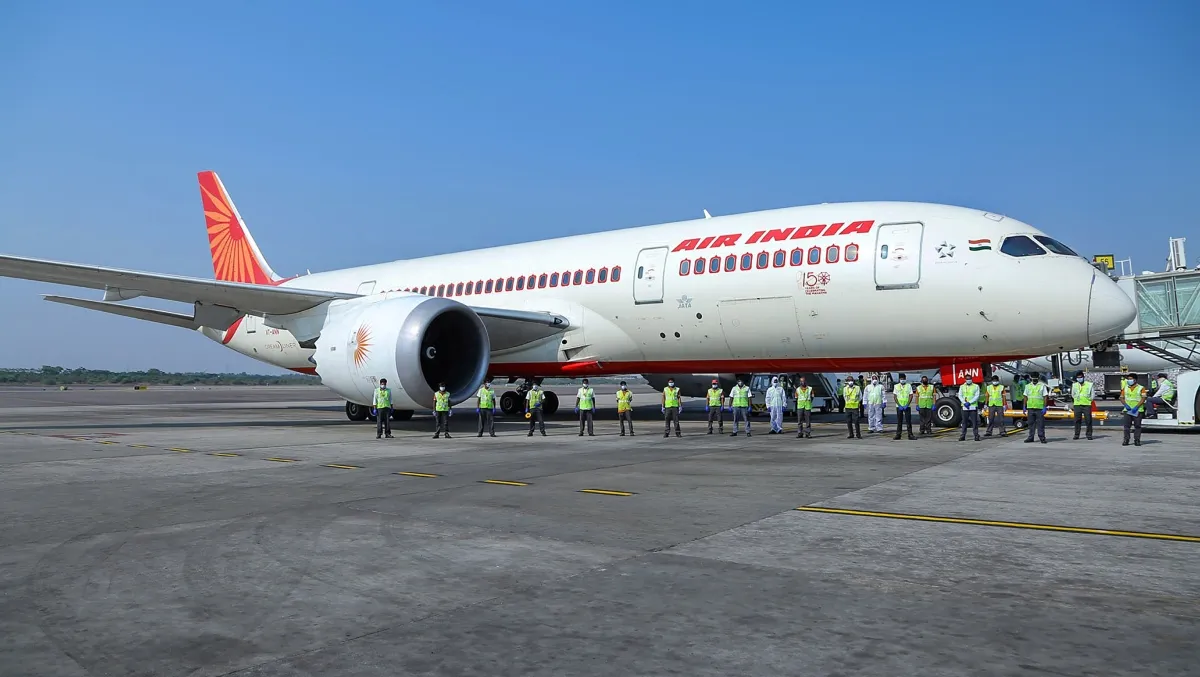
Tata Group-owned carrier Air India operated A320 neo plane for many flights in the month of November without a valid Airworthiness Review Certificate (ARC), a mandatory safety document required for commercial operations. The Directorate General of Civil Aviation (DGCA) and Air India have initiated an investigation after the issue was detected by the airline's internal monitoring system, and the concerned employees have been de-rostered till completion of the investigation.
Air India issues statement
The airline has issued a statement following a report on the operation of aircraft without a valid airworthiness certificate. "Air India operated A320 aircraft for many flights in the month of November without a valid review certificate. This course violated Air India's safety and security norms. The issue was detected by Air India's internal monitoring system and was reported to DGCA. Airworthiness Review Certificate is crucial for commercial aircraft operation to verify if the plane meets all requirements of security and maintenance," an Air India Spokesperson said.
According to news agency PTI sources, Air India's Accountable Manager and Director of Flight Operations Manish Uppal has sent out a communication to all pilots, reminding them of their "responsibility" regarding document validation.
"Reiterates the mandatory requirement for all flight crew to verify the presence and validity of required aircraft documents prior to every flight, as stipulated in our approved operations manuals. "You are required to diligently verify these documents (as per Rule 7 of the Aircraft Rules 1937) to ensure their validity at all times, thereby enabling compliant flight operations in accordance with regulatory requirements and company policies/SOPs," he said in the communication.
"Non-adherence to company policy or SOPs (Standard Operating Procedures) will be viewed seriously and may attract action as per the pilot policy handbook," he added.
DGCA launches probe
Meanwhile, aviation watchdog Directorate General of Civil Aviation (DGCA) is probing the incident of Air India operating an A320 neo plane without having a requisite airworthiness certification on at least eight routes, and the personnel concerned have been de-rostered till completion of the investigation.
On the instructions of the regulator, Air India is also carrying out an internal investigation to identify deficiencies in their system and put corrective measures in place to prevent such failures from occurring in the future, a statement said on Tuesday.
The airline informed the DGCA on November 26 about the flying of the A320 aircraft with the expired Airworthiness Review Certificate (ARC) on eight revenue sectors.
ARC is issued annually in respect of an aircraft after a comprehensive review of its maintenance records, physical condition, and verification of compliance with all airworthiness standards. It is a validation of an aircraft's main Certificate of Airworthiness (C of A).
As per Rule 7 of the Aircraft Rules, 1937, all aircraft registered in India must carry the documents mandated by the relevant civil aviation requirement.
A320 neo aircraft flew on Nov 24
As per the news agency PTI sources, the four-year-old A320neo aircraft (VT-TNQ), previously operated by Vistara, had remained grounded for an extended period and its airworthiness certificate had expired.
On November 24, the airline took the aircraft out of storage and carried out a proving flight over Delhi. The same day, it was deployed on commercial routes covering Delhi–Bengaluru–Mumbai.
On November 25, the aircraft continued flying commercial sectors — Mumbai–Delhi–Mumbai and Mumbai–Hyderabad–Mumbai — before being sent for maintenance later that day. It was during this inspection that engineers discovered the aircraft did not have a valid airworthiness certificate, sources said.
Following the lapse, the airline de-rostered an aircraft maintenance engineer and set up a flight operations committee to review the incident and determine accountability. According to sources, the committee is examining possible action against six to eight pilots involved.
Also Read: Air India to restart direct Delhi–Shanghai flights from February 2026 amid thaw in ties
Also Read: Air India Toronto-Delhi flight receives bomb threat, lands safely at IGI Airport