Char Dham Yatra 2026: Kedarnath opens; all about routes, registration, helicopter booking and new rules
As Char Dham Yatra 2026 gains momentum, new guidelines focus on safety and crowd control. From registration and medical checks to travel restrictions and temple rules, here is everything pilgrims need to know before planning the journey.
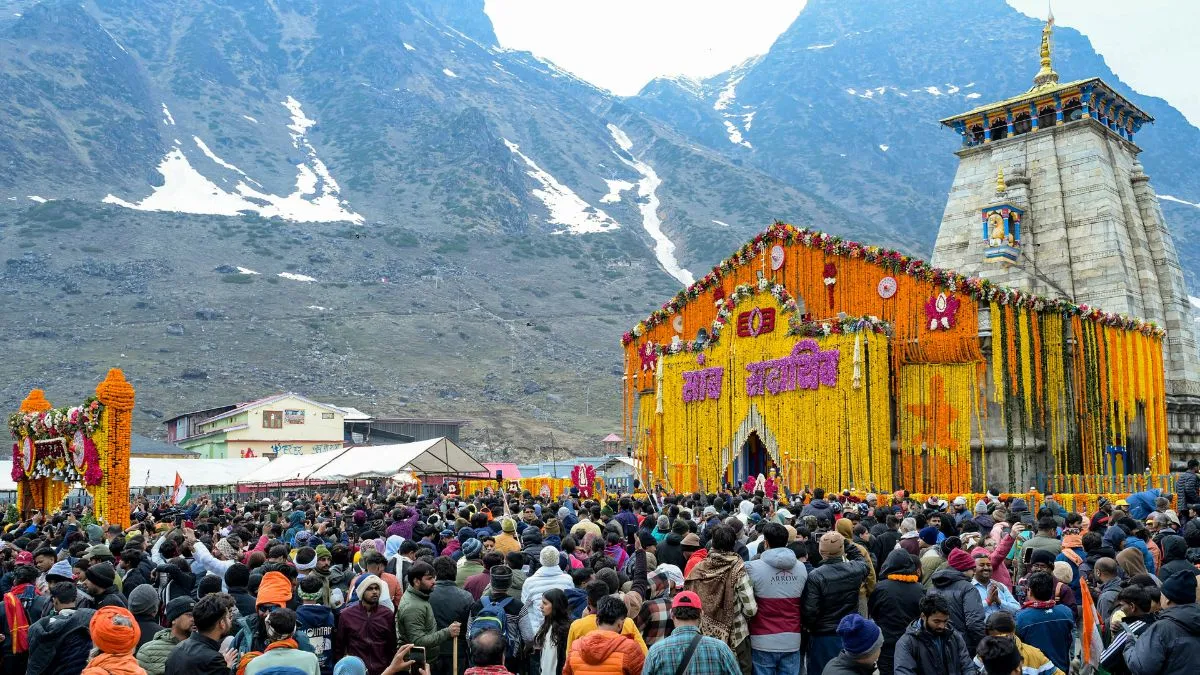
The Char Dham Yatra 2026 has now begun, and things are already picking up across Uttarakhand. The mountains are active again. Pilgrims are arriving. The routes are opening up one by one. There is a sense of movement, but also a lot more structure this time.
Yamunotri and Gangotri opened on April 19, marking the start of the yatra. Kedarnath has opened on April 22, while Badrinath will follow on April 23. With lakhs of devotees expected, authorities have introduced tighter rules this year. The focus is clear. Safety, crowd control, and maintaining the spiritual atmosphere.
Char Dham Yatra 2026: Routes and access
Among the four shrines, Kedarnath remains the most demanding. It is not directly accessible by road.
- The journey begins from Gaurikund, the last motorable point
- From there, pilgrims undertake a 16 to 18 km trek to reach the temple
- Helicopter services are available, but bookings must be done only through the IRCTC portal
- Due to high altitude and changing weather, 177 ambulances have been deployed on the route
- A helicopter ambulance by AIIMS Rishikesh is also stationed for emergency medical support
Badrinath, in contrast, is easier to reach. It is connected by road, which makes it more suitable for elderly pilgrims.
- Yamunotri requires a 5 to 6 km trek from Janki Chatti
- Gangotri is directly accessible by road, allowing smoother movement of pilgrims
The yatra generally begins from Rishikesh or Haridwar and takes around 10 to 12 days to complete, depending on the route and travel mode.
New rules for Char Dham Yatra
This year, the rules are stricter and more clearly defined.
- Mobile phones and cameras are not allowed inside temple premises of Kedarnath, Badrinath, and Gangotri
- Cloakrooms are available for storing electronic items before entering
- Yamunotri remains open to all, while entry conditions for non Hindus are being discussed or applied at other shrines
- Inside temples, touching idols, scriptures, or bells is not permitted
- Pilgrims are expected to maintain discipline and focus on darshan
The idea behind these changes is to reduce distractions and preserve the sanctity of the spaces.
Registration and health rules you need to know
Registration is compulsory for everyone. No registration means no entry.
- Registration can be done on the official Uttarakhand tourism portal or app
- Aadhaar is used for identity verification and travel tracking
- Pilgrims receive a QR code or e-pass, which is checked at multiple points
- Darshan is organised through fixed time slots to manage crowd flow
- A basic health check is mandatory before the journey
- For high altitude routes like Kedarnath, a fitness certificate may be required
- Pilgrims above 55 or with conditions like asthma or diabetes are advised to be extra cautious
Authorities have also issued some general health advice.
- Acclimatise before travelling to higher altitudes
- Engage in light physical activity before the journey
- Avoid alcohol and sleeping pills during the yatra
Travel and vehicle guidelines
Movement across the routes is regulated to avoid congestion and risk.
- Night travel is not allowed between 10 pm and 4 am on mountain roads
- Vehicles must pass technical inspections before entering
- Oversized vehicles are restricted on narrow stretches
- Permits may be required for vehicles travelling on certain routes
- Travel plans and hotel bookings are linked with registration details
Traffic may be slowed or diverted on busy stretches to keep routes manageable.
What the Char Dham Yatra includes
The pilgrimage covers four sacred shrines in the Garhwal Himalayas.
- Yamunotri, dedicated to Goddess Yamuna and considered the source of the Yamuna River
- Gangotri, dedicated to Goddess Ganga and associated with the origin of the Ganga
- Kedarnath, dedicated to Lord Shiva and one of the 12 Jyotirlingas
- Badrinath, dedicated to Lord Vishnu
The yatra usually runs from April or May until October or November, depending on weather conditions. This year feels more organised. A bit stricter too. But the core remains the same. The journey, the faith, and the experience of reaching these high altitude shrines.