Planning a trip to Badrinath Temple? History, routes, travel tips and more
Badrinath Temple is one of India’s most important Himalayan shrines. Here’s a complete guide covering its history, spiritual significance, how to reach and essential travel tips for visitors.
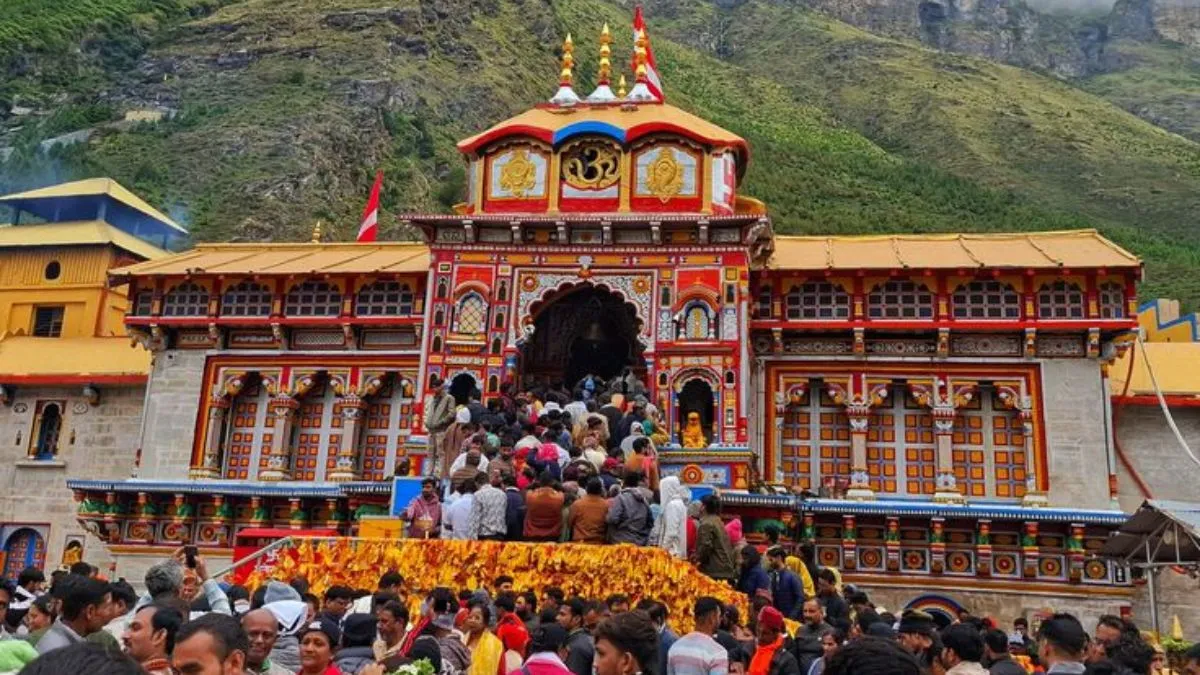
Nestled in the majestic Garhwal Himalayas, Badrinath Temple stands as one of India’s most cherished spiritual destinations. Dedicated to Lord Vishnu, it attracts lakhs of devotees each year who travel through winding mountain roads to seek blessings in this peaceful snow-clad valley.
Beyond its religious importance, the temple is also a breathtaking blend of nature, mythology and ancient culture.
Badrinath Temple history and spiritual significance
The history of Badrinath Temple is deeply tied to Hindu mythology and spiritual tradition. According to belief, Adi Shankaracharya established the shrine over a thousand years ago to revive Hindu worship in the region. The temple itself sits at an altitude of 3,133 metres, in the place where Lord Vishnu is said to have meditated for years, protected from the cold by Goddess Lakshmi in the form of a Badri tree.
Considered one of the Char Dham and part of the revered Chota Char Dham pilgrimage, Badrinath holds immense significance for devotees. Many believe that a visit here helps cleanse past karma and brings spiritual clarity. The temple’s colourful façade, the soothing Alaknanda River flowing beside it, and the powerful energy of the mountains make it a destination that feels both holy and grounding.
How to reach Badrinath by air, train and road
By air: The nearest airport is Jolly Grant Airport in Dehradun, around 310 kilometres away. From there, taxis and buses are available.
By train: Rishikesh is the closest railway station. Travellers can continue the journey by road.
By road: Well-connected by motorable roads, Badrinath can be reached via Rishikesh, Haridwar or Dehradun. The scenic drive offers stunning views of the Himalayas, rivers, and valleys. Helicopter services are also available during the pilgrimage season for those seeking a quicker route.
Travel tips for visiting Badrinath Temple
• The weather can change quickly in the mountains, so carrying warm clothing is essential, even in summer.
• Those with health concerns should plan their travel carefully, as the high altitude may require additional rest.
• Pack comfortable footwear, stay hydrated and avoid overexertion.
• The temple attracts heavy footfall, so early morning visits are recommended for a peaceful darshan.
• Respect local customs and keep the surroundings clean to preserve the sanctity of this holy place.
Badrinath Temple is more than a pilgrimage spot, it is an experience of faith, beauty and serenity in the heart of the Himalayas.