- Home
- Lifestyle
- Spirituality
- The Ayurveda link: How Tulsi purifies both body and home
The Ayurveda link: How Tulsi purifies both body and home
Explore the Ayurvedic power of Tulsi (Holy Basil): how this sacred herb purifies the body by detoxifying, calming and supporting immunity and cleanses the home through antimicrobial, air-purifying and spiritual properties.
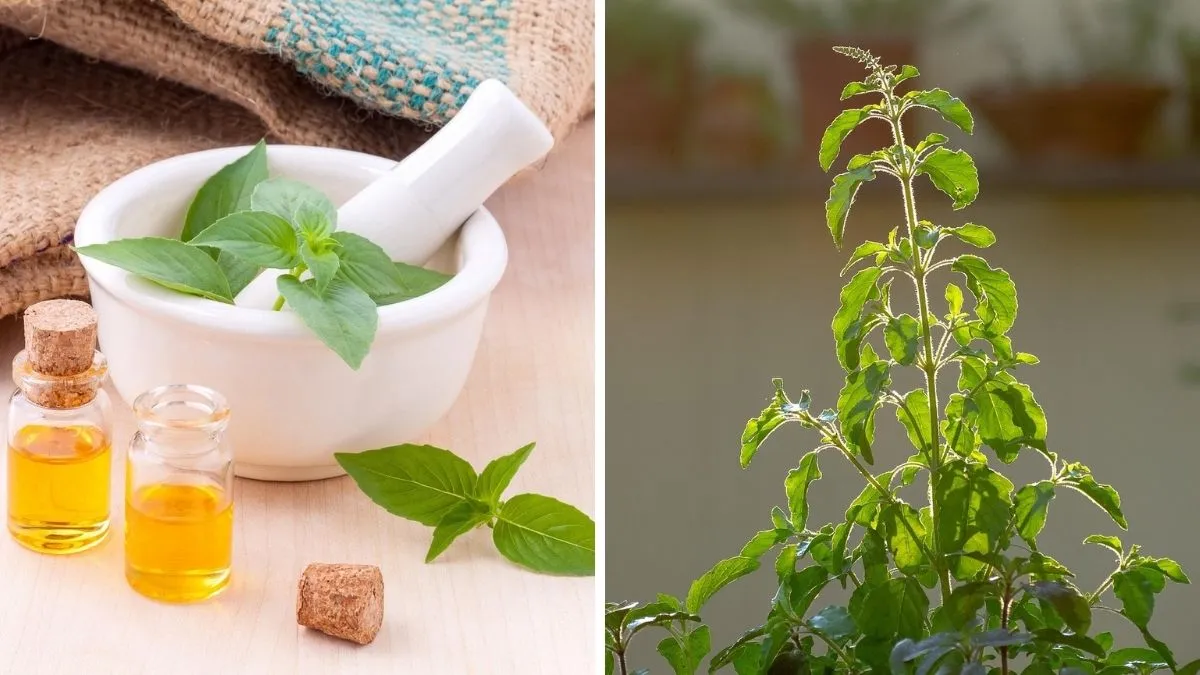
In most Indian homes, the green leafy plant called Tulsi, or Holy Basil, is more than just ornamental-it's a guardian. Revered in ritual and rooted in Ayurveda, Tulsi is believed to purify the body, calm the mind, and cleanse the home in ways both symbolic and scientific. This humble plant quietly bridges tradition with modern wellness, and the research is catching up.
Whether it’s a morning ritual of drinking Tulsi water or simply a plant placed in the courtyard, the herb’s role goes beyond heritage. Let’s explore how Tulsi works, for your body, for your home, and for that holistic wellness Indian households have long known.
What Ayurveda says: Body and mind purification
According to Ayurvedic texts, Tulsi is classified as a "rasāyana" — a rejuvenating tonic that strengthens the entire system. Among its attributed qualities: balancing the Vata and Kapha doshas, stimulating digestion (deepan-pachan), and purifying the rasa (plasma) and rakta (blood).
Modern studies support many of these claims. A comprehensive review in PMC noted that Tulsi (Ocimum sanctum) “has been found to protect organs and tissues against chemical stress … and physical stress … through a unique combination of pharmacological actions.”
Practically speaking:
Drinking Tulsi-infused water first thing in the morning helps flush toxins and supports digestion and metabolism.
Tulsi’s antioxidant and adaptogenic properties help reduce stress, balance hormones and support immune function — in line with Ayurveda’s promise of mind-body purification.
Purifying the home: More than a plant in the pot
In the Ayurvedic and Vedic worldview, the Tulsi plant is a living purifier. It is placed at the centre of courtyards, believed to protect the home and its occupants.
From a modern angle, the plant’s antimicrobial and air-cleansing properties are meaningful:
Studies highlight antimicrobial activity, suggesting leaves or extracts of Tulsi could be used as a natural hand-sanitiser, mouthwash or water-purifier.
Having a Tulsi plant indoors or on the veranda may support indoor air quality and act as a natural insect repellent, aligning with its traditional home-protective role. In essence, the plant anchors the home spiritually, while physically contributing to well-being.
How to bring the benefit home and body
Here are simple ways to include Tulsi in your daily life:
- Morning ritual: Boil 5-10 fresh Tulsi leaves in water, let it cool, and drink on an empty stomach. It supports detox, digestion and immunity.
- Grow a pot: Even a balcony pot of Tulsi brings tradition, greenery, and purification energy.
- Tea/Infusion: At night, tulsi tea helps combat stress and aids in respiratory functioning.
- Home placement: Place the plant in the northeast of your home, which is an auspicious direction, or near the main entrance, to symbolise its protective role in the Vedic tradition.
Tulsi is a silent giant; its leaves retain stories of healing, devotion, and protection for the home. Whether you hail it as the “Queen of Herbs” or simply a little green plant outside your balcony window, its dual role in purifying both body and home remains deeply relevant. And perhaps, in this world which increasingly yearns for holistic well-being, ancient Tulsi wisdom might have something to teach us: to approach healing as not about one part of us, but how our bodies, minds, and homes come into harmony.
Also read: Why Tulsi leaves are banned in some pujas — the untold belief