Shiv Mahamrityunjaya mantra: Meaning, benefits and how to chant it correctly
The Shiv Mahamrityunjaya mantra, one of the oldest chants from the Rigveda, continues to resonate in 2026 as more people search for spiritual grounding during uncertain times. Dedicated to Lord Shiva, the mantra is traditionally recited for healing, protection and emotional strength.
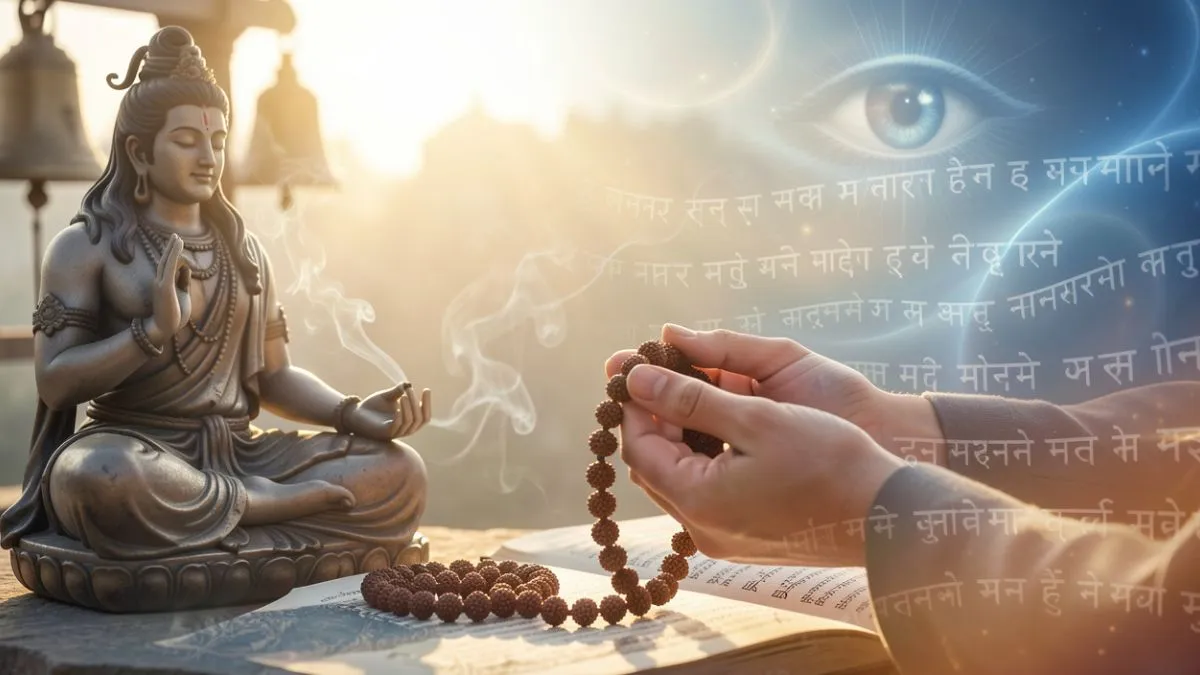
There is something striking about how often the Shiv Mahamrityunjaya mantra trends online during moments of collective anxiety. A health scare in the family. A major surgery. A difficult astrological phase. Or simply a year that feels heavy.
Dedicated to Lord Shiva, this Vedic chant has been chanted for centuries as a means of seeking protection, healing, and deliverance from fear. But what’s more relevant today, beyond its spiritual significance, is its ability to instil emotional stability in uncertain times.
What is the Shiv Mahamrityunjaya mantra?
The Mahamrityunjaya mantra is a sacred Sanskrit chant dedicated to Lord Shiva in his form as the conqueror of death. It appears in the Rigveda (Mandala 7, Hymn 59), ranking as one of the most revered Vedic mantras.
It reads:
“Om Tryambakam Yajamahe
Sugandhim Pushtivardhanam
Urvarukamiva Bandhanan
Mrityor Mukshiya Maamritat”
It’s also known as the “Mahamrityunjaya Jaap,” traditionally recited to seek healing, protection, longevity, and spiritual empowerment. Here's the mantra chant:
Meaning of the Mahamrityunjaya mantra in simple words
Here’s a clear breakdown:
- Tryambakam – The three-eyed one (Lord Shiva)
- Yajamahe – We worship or honour
- Sugandhim – Fragrant, life-enhancing
- Pushtivardhanam – The one who nourishes and strengthens
- Urvarukamiva Bandhanan – Like a ripe cucumber freed from its stem
- Mrityor Mukshiya – Liberate us from death
- Maamritat – Not from immortality, but towards eternal truth
In essence, the prayer seeks freedom from fear, suffering and untimely death, while asking for spiritual awakening and inner resilience. It’s less about physical immortality and more about liberation from the grip of anxiety and attachment.
Why is it called the “death-conquering” mantra?
In Hindu mythology, the connection of the mantra can be traced back to the tale of young sage Markandeya, who was destined to die at the age of 16. By his devotion to Lord Shiva and the recitation of the mantra, he was rescued from death itself. This is the reason why the chant has come to be related to protection during sickness, accidents, and other phases of life. Many families recite the chant during medical treatments, before surgeries, or during periods of emotional turmoil.
When and how to chant the Mahamrityunjaya mantra
There are no rigid rules, but traditional guidance suggests:
Best time
- Early morning (Brahma Muhurta)
- During Pradosh Kaal
- On Mondays
- During Maha Shivratri
How many times?
- 11, 21 or 108 times using a Rudraksha mala
- Some perform 1.25 lakh (125,000) chants for special rituals
Practical modern approach
You don’t need an elaborate ritual. Even five mindful repetitions daily can create calm. Focus on breath, pronunciation and intention. Think of it as a spiritual reset button.
Shiv Mahamrityunjaya mantra is not just a simple chant for protection. It is about establishing a deeper connection with Lord Shiva.