- News
- Lifestyle
- Spirituality
- Indira Ekadashi vrat katha 2025: Full story and significance
Indira Ekadashi vrat katha 2025: Full story and significance
Indira Ekadashi vrat holds deep significance for ancestors’ salvation. Here’s the complete vrat katha and importance of observing it in 2025.
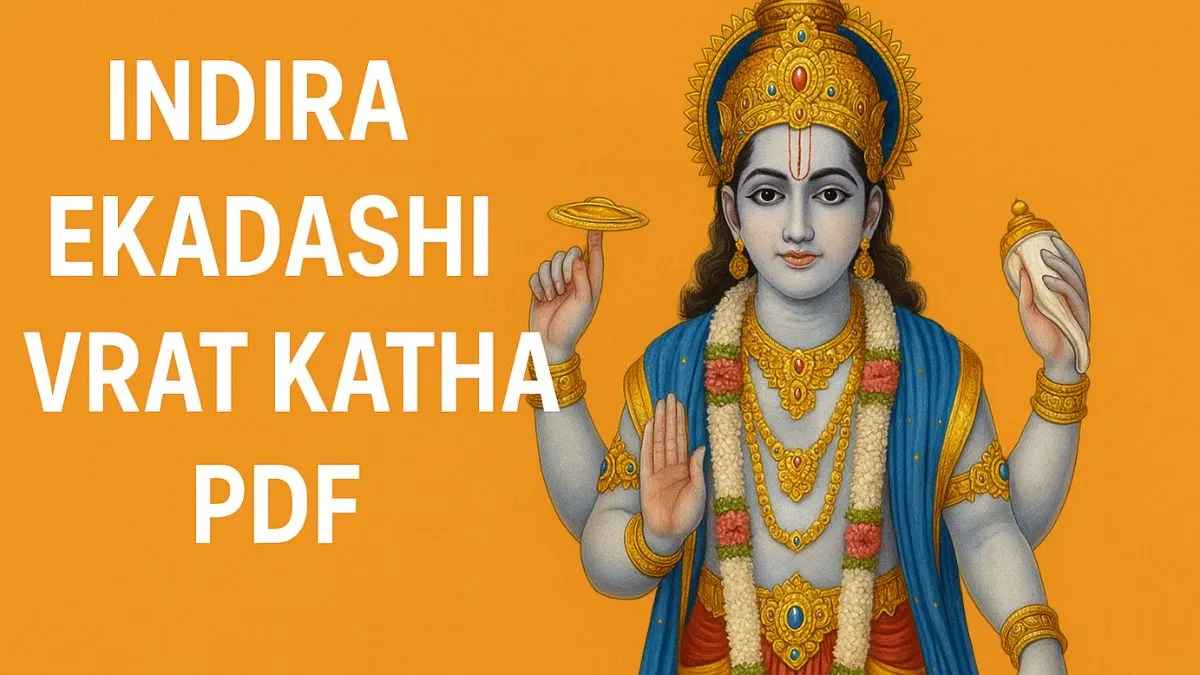
The sacred festival of Indira Ekadashi is being observed today, 17 September 2025. Dedicated to Lord Shaligram, this Ekadashi is considered highly auspicious in Hindu tradition.
According to scriptures, observing the Indira Ekadashi fast not only absolves one of sins but also grants salvation to seven generations of ancestors. Devotees believe that performing this vrat (fast) with devotion opens the path to moksha and brings divine blessings.
The Indira Ekadashi vrat is traditionally observed from sunrise on Ekadashi tithi until sunrise on Dwadashi tithi. On this day, devotees perform rituals, offer prayers, and listen to the vrat katha – a sacred story associated with the festival. This katha highlights the power of devotion to Lord Vishnu and explains how the fast ensures liberation for departed souls. Below is the complete Indira Ekadashi vrat katha in English.
Indira Ekadashi Vrat Katha
According to the legend, there once lived a mighty and benevolent king named Indrasena in the city of Mahishmati. Deeply devoted to Lord Vishnu, he ruled with fairness and compassion. One day, while seated in his royal court, the revered sage Narad Muni visited him. The king welcomed the sage with folded hands and honoured him with due respect. Narad Muni then asked about the welfare of the king, his kingdom, and his devotion towards Lord Vishnu.
King Indrasena replied that by the sage’s blessings, all was well in his kingdom. Narad then revealed the true purpose of his visit. He explained that during a journey to Yamlok (the abode of Yama, the god of death), he saw the king’s late father in Yama’s court. The departed soul conveyed a message through Narad – that he was unable to attain liberation due to obstacles from his previous life. He requested that Indrasena observe the Indira Ekadashi fast in the month of Ashwin (Krishna Paksha) on his behalf, which would release him from Yama’s hold and grant him entry into heaven.
Hearing this, King Indrasena asked Narad Muni about the proper method of observing the fast. Narad explained the detailed procedure:
On the Dashami tithi (the day before Ekadashi), devotees should bathe at sunrise, perform shraddha (ancestral rites), and eat only once.
On the morning of Ekadashi, after cleansing rituals, one must take a vow to observe nirjala vrat (fast without food). Devotees should worship Lord Vishnu, especially the Shaligram form, and offer fruits and donations to Brahmins.
A night-long vigil with devotional prayers and bhajans is observed, followed by puja on Dwadashi morning. Thereafter, food is offered to Brahmins, and only then the family partakes of the meal.
Narad assured the king that by observing the vrat in this way, his father would surely attain heaven. Following the sage’s guidance, King Indrasena performed the fast with his family and attendants. As a result, divine flowers showered from the heavens, and his father ascended to Vishnu’s abode on Garuda. Later, King Indrasena too ruled peacefully and eventually attained liberation, leaving the throne to his son.
Download Indira Ekadashi Vrat Katha in Hindi PDF
Significance of Indira Ekadashi
The Indira Ekadashi vrat is described as extremely powerful in Hindu scriptures. It is believed that anyone who listens to or reads the vrat katha is freed from sins and granted entry into Vaikuntha, the abode of Lord Vishnu. Observing this fast not only brings peace to departed ancestors but also ensures prosperity, spiritual upliftment, and ultimate liberation for the devotee.