Explained: Why Indian whiskies are so much cheaper than foreign whiskies
Indian whisky often costs Rs 1,000 while foreign brands sell for over Rs 10,000. The reason is not branding, but how the alcohol is made. From grain-based ageing to ENA blending, we explain what really separates Indian whisky from the real thing.
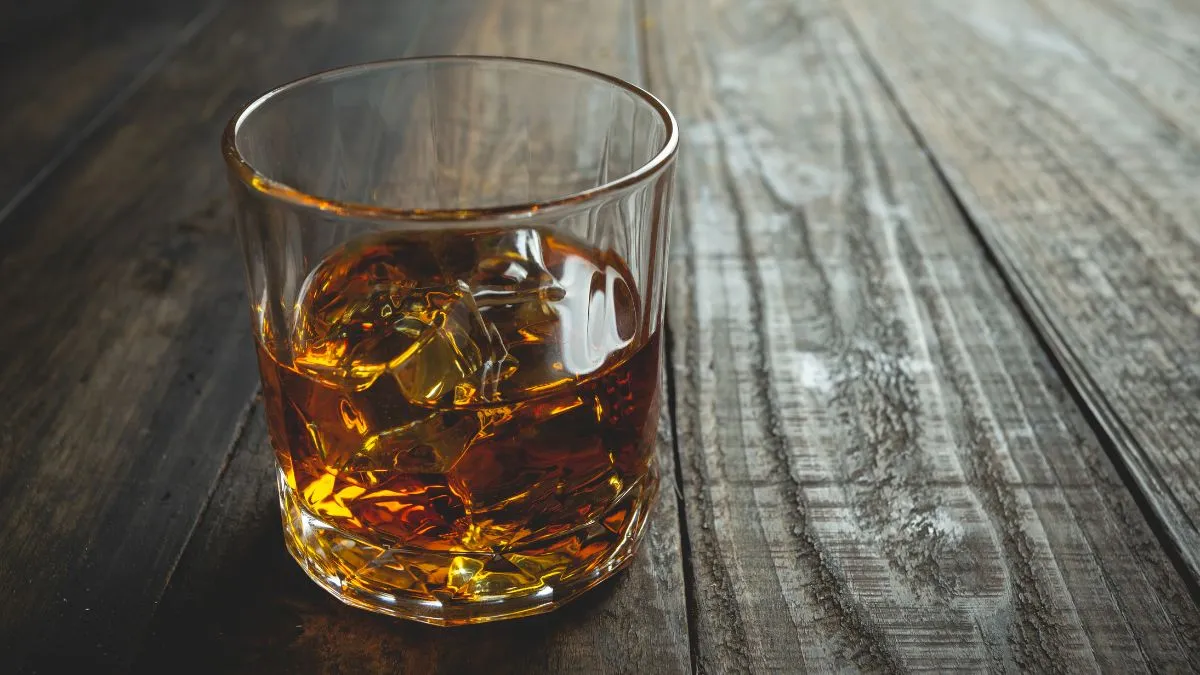
Indian whisky is often dismissed as cheap and forgettable, while foreign whiskies are treated like luxury goods. The price gap alone makes the judgement easy. A one-litre bottle of Indian whisky sells for around Rs 1,000–Rs 1,500, while a bottle of Jack Daniel’s can cost anywhere between Rs 8,000 and Rs 14,000.
At first glance, it looks like Indian whisky offers better value. Many people even say foreign whisky is overpriced. But the reality is more uncomfortable. The difference in price is not about branding alone. It comes down to how whisky is made, what goes into it, and how long the process actually takes.
Why are Indian whiskies so much cheaper than foreign whiskies?
The most obvious difference shows up on the price tag. Indian whiskies typically sit in the Rs 600–Rs 1,500 range, while foreign brands like Jack Daniel’s, Glenfiddich, or Glenlivet start much higher and climb quickly. This gap exists because the cost of production is completely different.
Making real whisky requires years of waiting, large upfront investment, and significant risk. In contrast, most Indian whiskies can be produced far more quickly, which keeps costs low and prices accessible.
How is real whisky made, and why does it take years?
Real whisky is made from grains like barley, corn, or wheat. The process starts with soaking barley in water until it sprouts, activating enzymes that convert starch into sugar. Once dried, this becomes malt. The malt is ground, mixed with hot water, and turned into a sweet liquid. Yeast is then added, which consumes the sugar and produces alcohol. After fermentation, the liquid is distilled in copper pots and finally poured into oak barrels.
This is where time becomes the biggest cost. Whisky sits in barrels for three to five years, sometimes much longer. During this period, it develops colour and flavour from the wood. Vanilla, caramel, fruity notes. Nothing is rushed. Money is locked in barrels for years before a single bottle is sold.
How most Indian whiskies are actually produced
Most Indian whiskies follow a very different route. Instead of grains, they use sugar-based alcohol. The leftover liquid from sugar production, known as molasses, is distilled into Extra Neutral Alcohol, or ENA. ENA is 96 percent pure alcohol. It has no taste and no smell. It is the same alcohol used in medicines and hand sanitisers.
To turn this into whisky, companies dilute ENA with water, add artificial flavours, and use caramel colouring to give it a brown shade. Some blends add just 4–5 percent real Scotch and label the bottle as “blended Scotch”. This process is fast. It does not require years of ageing. That speed is what keeps prices low.
Why Indian whisky is labelled IMFL, not true whisky
Because of how it is made, most Indian whisky is not technically whisky. It is classified as IMFL, or Indian Made Foreign Liquor. True whisky must be made from grain and aged in barrels. ENA-based spirits do not meet this standard.
That is why Indian whiskies can be sold cheaply, while foreign whiskies that follow the traditional process remain expensive. The label difference is not marketing. It reflects a real gap in production methods.
What truly explains the massive price gap between Indian and foreign whiskies
The price difference ultimately comes down to time, ingredients, and ageing. Foreign whiskies spend years in oak barrels, tying up capital and absorbing flavour slowly. Indian whiskies, made from ENA, skip this waiting period almost entirely.
That is why Indian whisky can sell for Rs 600–Rs 1,000, while genuine whiskies command prices of Rs 8,000–Rs 14,000 or more. Once you understand how each bottle is made, the price gap stops being surprising. It becomes inevitable.
Disclaimer: This article is for general information only and does not promote or encourage alcohol consumption. Readers are advised to drink responsibly and in accordance with applicable laws and health guidelines.
ALSO READ: The story behind India’s 30 ml peg and why it still sets the drinking standard