Not an introvert, not an extrovert: Mental health experts explain the rise of the ‘otrovert’ personality
What is an ‘otrovert’? Mental health experts explain the personality type that balances introversion and extroversion, why emotional flexibility matters, and how switching between solitude and social connection can support better mental wellness.
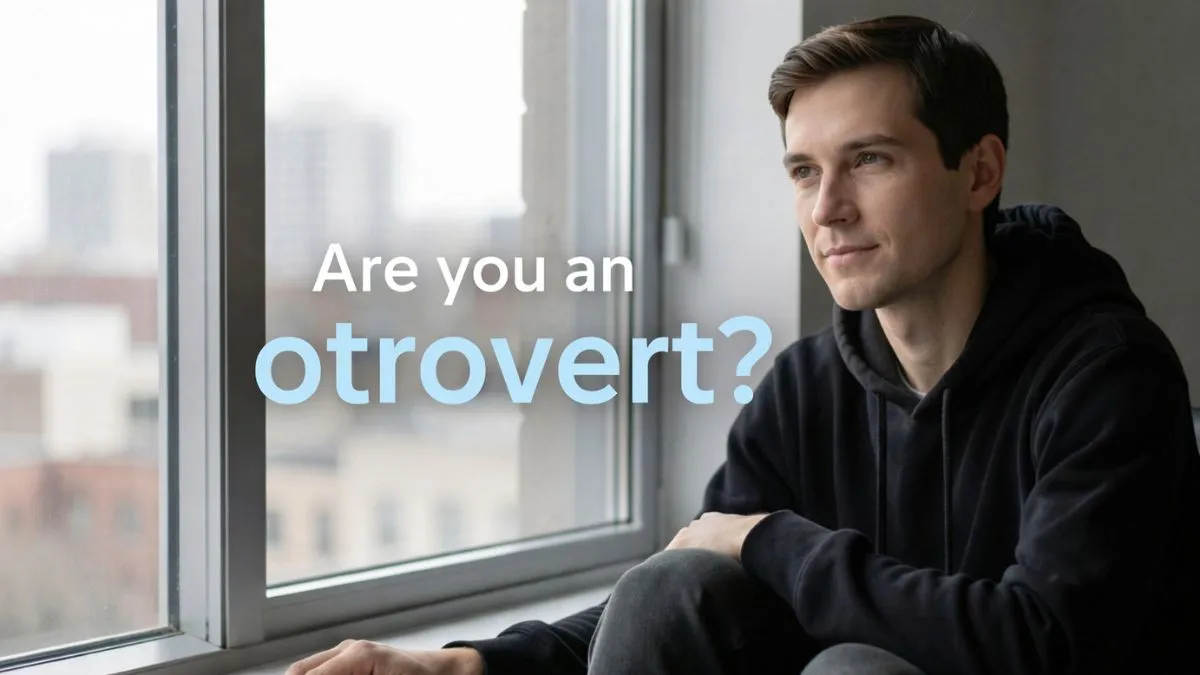
The most common question people ask each other is, "Are you an extrovert or introvert? But now it appears there is more to the story! A recent social media trend is bringing up the topic of the “otrovert.” Otrovert refers to a type of personality that can easily switch between being an introvert and an extrovert. This is because, unlike the terms introvert and extrovert, an outrovert can switch depending on their moods and needs.
An outrovert is not confused, but rather emotionally intelligent, according to experts. Let's talk about being an outrovert.
Understanding the otrovert mindset
Ms Sheena Sood, Consultant in Psychology and Counsellor at P. D. Hinduja Hospital (Khar) and Medical Research Centre, explains that the ability to shift between social engagement and quiet withdrawal can be psychologically healthy. “Otroverts are not silent or isolated people all the time, nor are they constantly social,” she says. “They move back and forth between being by themselves or being surrounded by people, guided by mood, demand, or simply how they feel that day.”
Rather than forcing oneself into a fixed category, recognising personal patterns matters more. “Noticing whether life feels dull or inviting, and understanding when you function better alone versus with people, helps individuals bounce back faster when challenges arise,” Sood adds.
Why flexibility matters for mental health
Mental wellness, experts say, is less about how outgoing you appear and more about how well you respond to internal cues. Sometimes, choosing calm over connection is essential. “Deliberately choosing mindfulness, journaling, or shifting negative thought patterns can help the brain move towards calmness,” says Sood. “At other times, socialising is equally important. The key is feeling no awkwardness about either choice.”
This balance allows people to avoid emotional exhaustion, a growing concern in hyper-connected, always-on lifestyles.
Structure, awareness, and emotional balance
Dr Kedar Tilwe, Consultant Psychiatrist at Fortis Hiranandani Hospital and Fortis Hospital Mulund, emphasises that mental wellness is a function of structure and deliberate connection. “Taking care of mental well-being starts with a routine, mindful activities at the beginning of the day, and a balance between work, play, and socialising,” he says.
He also emphasises the need to deliberately create opportunities for different types of connections. “Making room for ‘me time’, ‘we time’, and ‘us time’ helps sustain emotional balance and prevents isolation.”
When self-reflection isn’t enough
Both experts agree that open conversations play a vital role in self-awareness. “Non-judgmental conversations with a trusted confidant can offer insight into behavioural patterns,” says Dr Tilwe. “Constructive feedback often highlights areas that need change.”
When distress becomes persistent, professional help is crucial. “Psychotherapeutic interventions like cognitive behavioural therapy, supportive psychotherapy, or insight-oriented therapy can help develop healthier emotional responses,” he adds.
The risk of feeling like an outsider
“Struggles with belonging may lead to interpersonal misunderstandings, low self-esteem, anxiety, or depression,” Dr Tilwe explains. “Understanding emotional pressure points and strengthening coping skills improves communication and long-term mental hygiene.”
The otrovert isn’t a trend; it’s a reminder that mental wellness isn’t about choosing between solitude and society. It’s about knowing when you need which, and allowing yourself that choice without guilt. As Sood puts it: “What matters is being able to shift, connecting when needed, pulling back when needed, and feeling comfortable both ways.” In an era obsessed with labels, that flexibility might just be the healthiest personality trait of all.