These ‘harmless’ toys are linked to aggression and anxiety issues in children, reveals Psychiatrist
Psychiatrist Dr Sanjay Kumawat warns that some seemingly harmless toys may fuel aggression, anxiety and social difficulties in children. Toy guns, cheap plastics and screen-based toys can impact emotional regulation, conflict resolution and behaviour, while mindful play supports healthier developmen
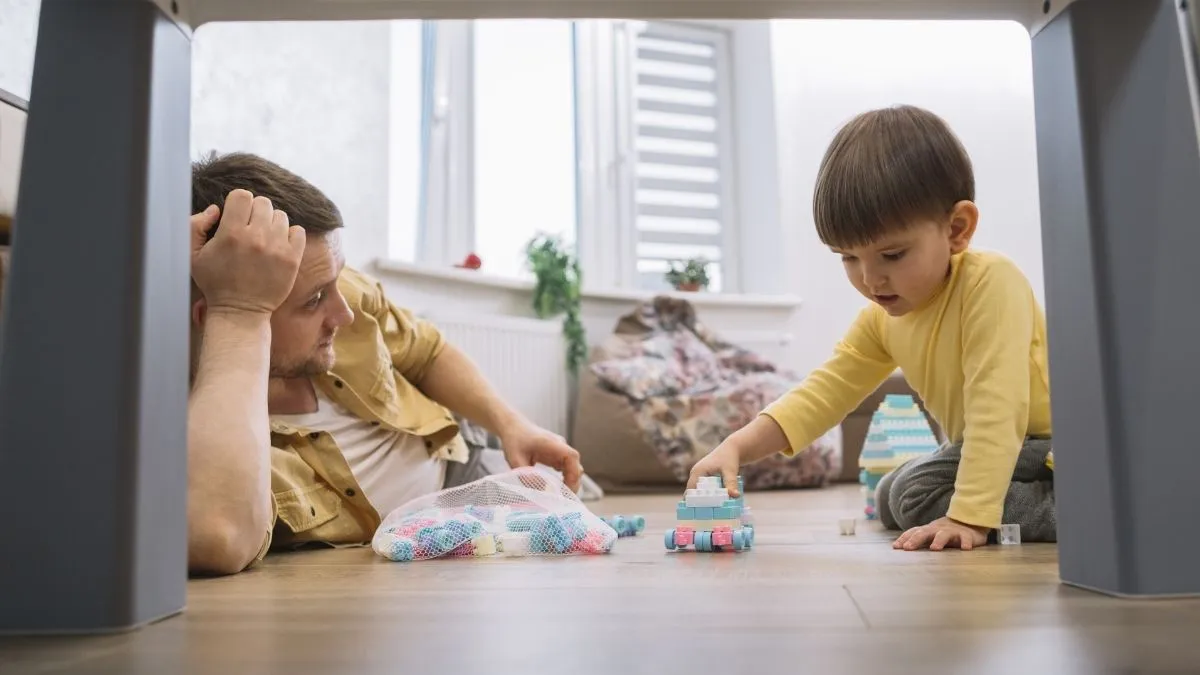
Buying toys for your kids is one of the most fun experiences as parents. However, not many parents think about the psychological implications of the toys they buy for their children. While a few toys are wonderful for the cognitive development of the kids, some can actually impact them in a negative way.
According to Dr Sanjay Kumawat, Consultant Psychiatrist, Fortis Hospital Mulund, Mumbai, toys are strong tools that influence the emotional, cognitive, and social development of a child. Poorly designed ones may leave lasting behavioural imprints. Toys influence how children process emotions, stress, and social cues.
What is the influence of toys on kids
Toys don't just occupy children but serve as early learning devices to shape problem-solving, communication, and empathy.
Dr Kumawat explains that play acts as a child's “second language”, helping them explore their mind and the world around them.
Interactive toys, in particular, help children learn:
- Emotional regulation
- Patience
- Communication
- Give-and-take behaviour
When parents join in, shared play strengthens emotional security and improves bonding.
Toys and connection with aggressive behaviour
But some toys can normalise aggression and distort conflict resolution
Toy guns, swords, and other symbolic weapons are common in homes and birthday party return gifts, often dismissed as “kids being kids”. Psychiatrists warn that these objects can make violent behaviour feel fun and acceptable.
Such kinds of toys, Dr Kumawat says, can provoke aggressive play and make the idea of violence seem normal, which could influence children's perception regarding conflict and problem-solving.
The repeated use of aggressive toys may contribute to:
- Hostile behaviour
- Impulsivity
- Poor emotional regulation
- Difficulty resolving conflicts peacefully
While not every child reacts this way, early exposure sets behavioural templates.
Cheap toys can trigger anxiety, irritability and unsafe behaviour
A growing number of low-cost toys in the market are produced from cheap plastics and may contain lead, phthalates and other toxic chemicals. These, Dr Kumawat says, become toxic with excessive handling or when taken into the mouth.
Poorly designed toys, with sharp edges, detachable small parts, or strong chemical smells, create sensory distress and anxiety among younger children.
The rising threat of digital toys
Digital toys pose quite another type of threat: emotional stagnation and social withdrawal.
With screens increasingly replacing traditional toys, there are growing concerns about emotional and cognitive fallout. The excessive, screen-based play is associated with:
- Language delays
- Short attention span
- Poor emotional regulation
Dr Kumawat believes that this shift can be powerfully counterbalanced by engaging children in hands-on activities and encouraging them toward real-world engagement.
The antidote: imaginative, peaceful, hands-on play
To promote healthy development, playthings foster imagination, sharing, and sensory discovery.
Clay, building blocks, drawing tools and ring toys promote:
- Fine motor skills
- Concentration
- Social skills
- Emotional resilience
Dr Kumawat emphasises that imaginative and peaceful toys help children become emotionally mature and acquire better social behaviour.
What parents should do, practically
- Choose certified, safe materials
- Avoid cheap plastics or toys with strong smells.
- Avoid buying toy guns and symbolic weapons
- Even if “everyone else has them”.
- Encourage creative, open-ended play
- Let children build, draw, and pretend
- Reduce screen-based toys
- Replace with hands-on, engaging activities.
- Join their play
- Shared play builds emotional security.
As parents, it is important to remember that mindful choices today can help raise calmer, kinder, and more emotionally resilient adults tomorrow.
Also read: Your child’s bedtime routine is shaping their brain more than you think, says expert