Delhi AQI breaches 400-mark: Simple lifestyle swaps you can make for polluted winters
Delhi’s AQI400 isn’t just a bad smell; it’s causing systemic health damage. Studies show heightened risk of lung, heart and brain issues. Here are five evidence-informed lifestyle swaps to protect yourself during smog-heavy winter days.
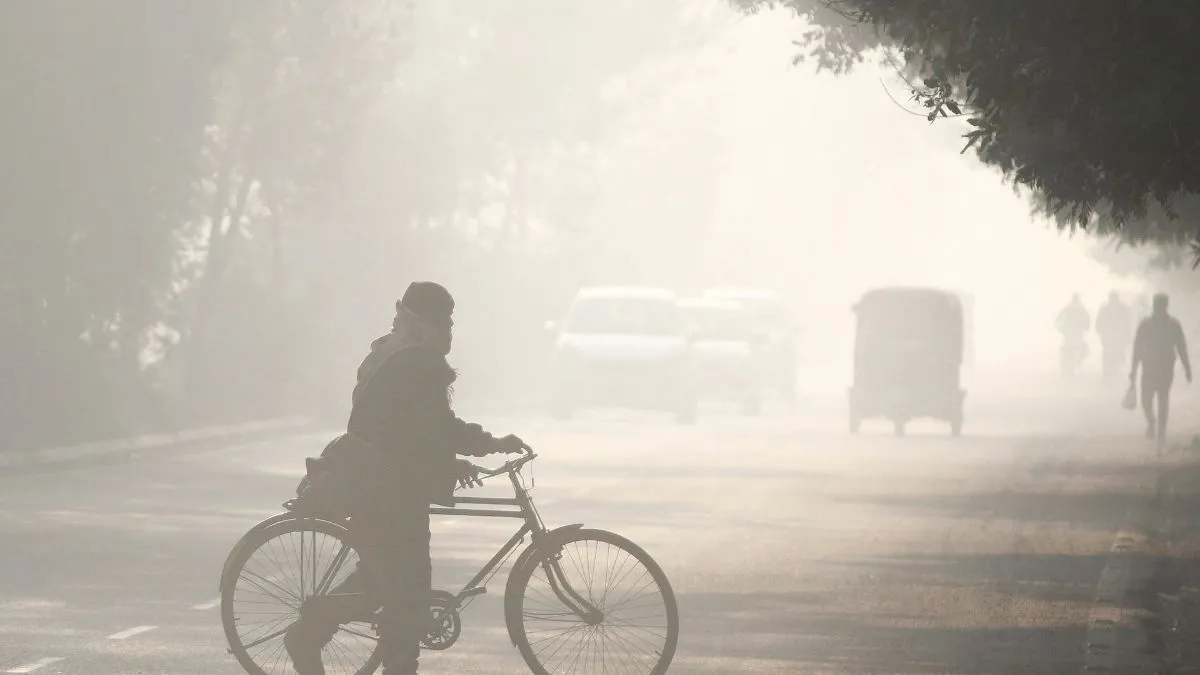
When Delhi’s Air Quality Index (AQI) crosses 400, the city’s skyline turns grey, but more importantly, our breathing, health and daily lives silently suffer. These extreme pollution levels are not just aesthetic: research says they trigger inflammation, reduce lung function and even accelerate ageing.
With winter setting in and meteorology trapping pollutants, ordinary days become health risk days. But while we wait for systemic change, there are practical adjustments you can adopt at home and in your routine to reduce exposure and boost resilience.
Why AQI 400+ is a health emergency
Recent reports have suggested that when AQI breaches 400, fine particles (PM2.5) slip deep into the lungs and bloodstream, triggering chronic inflammation and harmful effects on the heart, brain and lungs.
A 2025 study found that on “severe” air-pollution days in Delhi, the additional deaths attributed to pollution can reach around 40 extra per day beyond the baseline.
Research covering winter periods in Delhi confirms that for about 75 % of days in certain years, the air remained in the “Very poor” to “Severe” categories, meaning sustained high exposure.
Simple lifestyle swaps that reduce damage
1. Improve indoor air quality
- Keep windows closed during high-AQI hours (morning and late evening).
- Use a HEPA-filter air purifier in your main living room and bedroom, sized for the room. While it won’t eliminate all risk, it can significantly lower indoor particulate counts.
- Remove or reduce indoor sources of pollution: avoid burning incense or charcoal indoors, and ensure cooking is well-ventilated.
2. Duration of outdoor exposure
- Plan any outdoor activity when AQI improves, i.e., after rain or during daylight hours when dispersion is better. On days when AQI > 300, stay indoors if possible.
- If you must step outdoors, wear a proper N95 or equivalent mask that fits well; it is the fine particles less than 2.5 µm that reach deep into the lungs.
3. Support your lung and immune health
- Nutrition-include antioxidant-rich foods: citrus foods, leafy greens, turmeric; omega-3 fats include walnuts and flaxseed-keep hydrated. All of these items help dampen inflammation from pollutants.
- Exercise smart: On very poor air days, shift your workout indoors or reduce intensity. Moderate indoor exercise is better than high-intensity outside when pollution is heavy.
- Sleep hygiene: The better you sleep, the more repair processes are supported. "Given that polluted air may interfere with lung recovery during sleep, getting quality rest is important.
4. Indoor humidity and ventilation should be continuously monitored. Low humidity worsens airway irritation; if possible, maintain indoor relative humidity at ~40-60 %.
Use exhaust fans or air exchanges after cooking or if indoor air gets stagnant. Cleaner indoor air reduces the total exposure load on your lungs.
5. Prioritise medical check-ups and preventive care
If you have asthma, COPD, heart disease or are older — speak to your doctor about your plan for smog season.
Avoid complacency: even healthy people may face increased risk when AQI is extraordinarily high. A small symptom of breathlessness or cough should not be ignored.
By adapting your environment, timing, habits and self-care, you can reduce your body’s burden and protect your lungs, heart and brain. After all, when the air refuses to cooperate, your smartest move is to give your body every chance to resist the damage.