Tofu to broccoli: Expert shares 9 foods that you should avoid if you suffer from hypothyroidism
If hypothyroidism is not treated, it can become life-threatening. The condition can be treated with medication, diet and a healthy lifestyle. There are certain foods that you will have to avoid if you suffer from hypothyroidism. Here, take a look at some of these foods.
Hypothyroidism is a condition wherein your body doesn't make enough thyroid hormone, which eventually slows down your metabolism and leads to unintentional weight gain over time. When the thyroid gland doesn't produce enough hormones, it can lead to several health issues.
If hypothyroidism is not treated, it can become life-threatening. The condition can be treated with medication, diet and a healthy lifestyle. According to Dr Samrat Shah, an internal medicine expert at Apollo Spectra Pune, for those with hypothyroidism, simply avoiding or adding certain foods to the diet is not enough. Proper management requires a proper treatment plan guided by a medical expert. The treatment involves hormone replacement therapy to restore normal thyroid hormone levels and control symptoms such as fatigue, weight gain, and sensitivity to cold. Also, iodine is necessary for thyroid hormone production in the body; however, use iodised salt only.
However, there are certain foods that you can avoid if you suffer from hypothyroidism. Here, take a look at some of these foods.
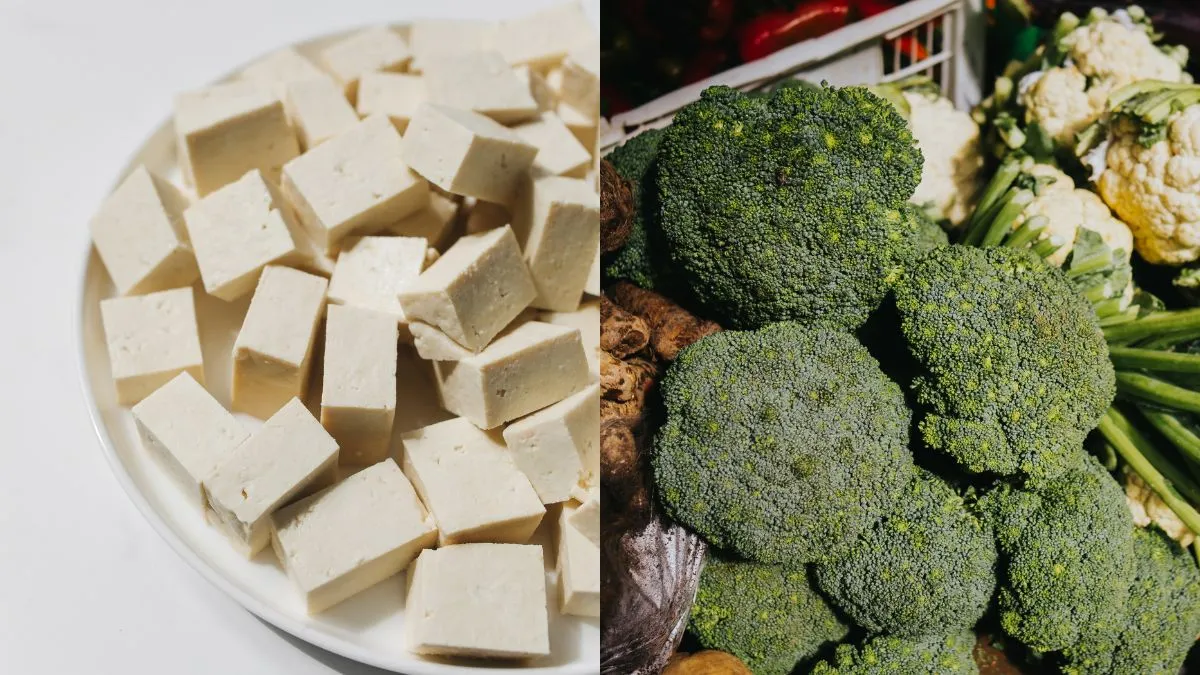
Tofu (and other soy-based products)
Soy has isoflavones, which can interfere with thyroid hormone synthesis, especially in people with iodine deficiency. It can also affect how your body absorbs thyroid medication.
Broccoli (and other cruciferous vegetables)
Cruciferous veggies like broccoli, cabbage and kale contain goitrogens. These compounds can disrupt thyroid hormone production by interfering with iodine uptake, especially when eaten raw and in large amounts.
Gluten (found in wheat, barley, rye)
People with hypothyroidism, especially Hashimoto’s thyroiditis, which is an autoimmune condition, often have gluten sensitivity or celiac disease. Gluten can increase inflammation and worsen autoimmune responses.
Sugary Foods
Hypothyroidism can slow metabolism, making it easier to gain weight. Excess sugar contributes to weight gain and can destabilise blood sugar levels, adding to fatigue and mood swings.
Processed Foods
These are often high in sodium, which can worsen symptoms like high blood pressure. Hypothyroidism increases the risk of cardiovascular problems hence, reducing consumption of processed food can help reduce the risk.
Fried Foods
These are high in trans fats, which can affect thyroid function and interfere with hormone production. They also lead to weight gain and insulin resistance.
Coffee (especially with your meds)
Coffee can block the absorption of levothyroxine, which is the most commonly prescribed thyroid medication. It’s best to wait at least 30–60 minutes after taking your medicines before drinking coffee.
(Disclaimer: The tips suggested in this article are for general information purposes only. Consult your doctor before starting any fitness program, making any changes to your diet or taking any remedy for any disease. India TV does not confirm the authenticity of any claim.)
ALSO READ: Oil Pulling: Rinsing mouth with oil every morning solves several issues, know benefits and method