Regenerative treatments, hybrid lasers and AI: Skincare trends to watch in 2026
From regenerative injectables and hybrid lasers to barrier-first routines and AI-powered skin analysis, dermatologists explain the five skincare trends set to define 2026, and why long-term skin health is taking centre stage.
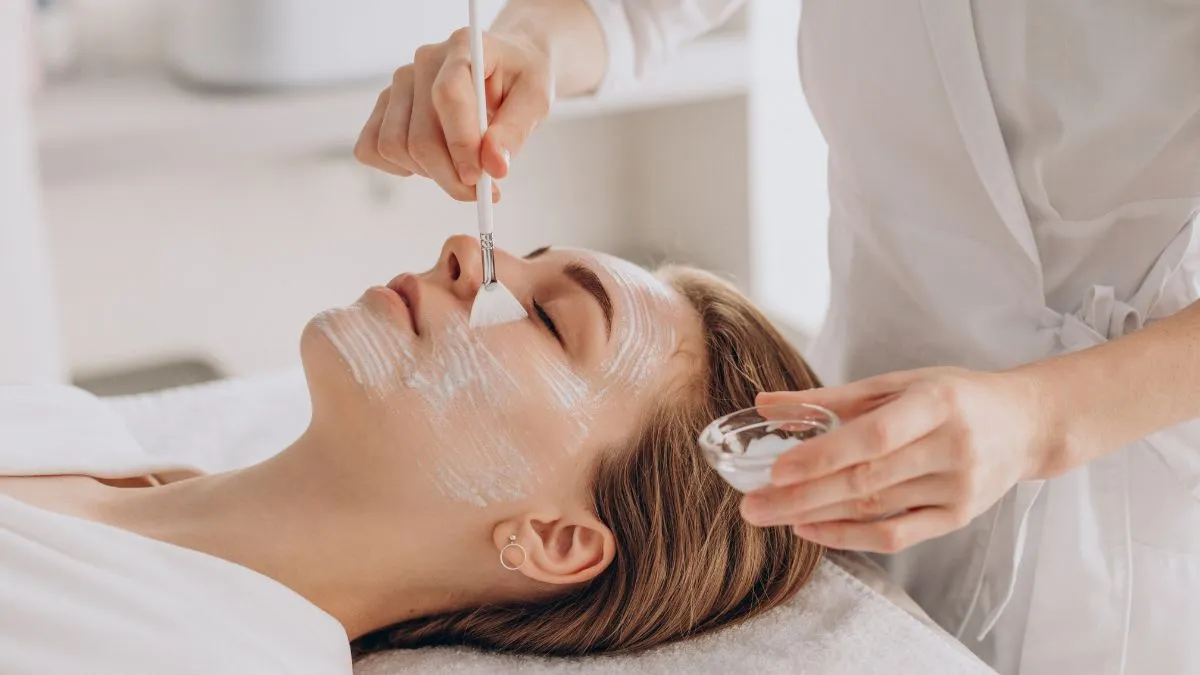
If the past few years were all about quick solutions and trending skincare routines, then it appears that 2026 will be a whole different story and will mark the beginning of a new era in skincare culture, in that it will fully "grow up."
According to Dr Amrita Talwar, Consultant Dermatologist at Skinopsis Dermatology Clinic, patients today want results that look natural, feel sustainable and actually improve the quality of their skin over time. “People are no longer asking for dramatic changes. They want skin that behaves better, stronger, calmer and healthier in the long run,” she explains.
Here are the five skincare and aesthetic trends that are expected to dominate 2026.
1. Regenerative aesthetics goes mainstream
One of the biggest shifts in 2026 is the rise of regenerative aesthetics, treatments that help the skin repair and rebuild itself instead of altering facial features. Bio-remodelling products that contain stabilised hyaluronic acid are becoming popular because of their ability to trigger collagen and elastin stimulation from inside. These products do not have volumising properties; instead, they are useful for skin elasticity and hydration to induce normal skin topography.
This signals a shift in attitude in general, from an ‘anti-ageing’ approach to looking after the skin in all its ages. Patients are increasingly choosing treatments that enhance what they already have, instead of changing how they look.
2. Hybrid lasers become the go-to for skin repair
In 2026, efficiency matters. People want visible results without committing to endless appointments, which is why hybrid laser technologies are emerging as the new gold standard.
These systems combine multiple wavelengths, allowing dermatologists to address both surface-level concerns like pigmentation and deeper issues such as scars, fine lines and texture, often in the same session. Fewer treatments, more predictable downtime and more comprehensive results. Hybrid lasers are also becoming central to personalised treatment plans, rather than being used as one-off solutions.
3. Hair reduction turns out to be routine care.
Laser hair reduction is no longer reserved for weddings, holidays, or special occasions. In 2026, it's firmly stepping into the realm of routine wellness and self-care. Advanced diode laser platforms are preferred by patients because they are faster, safer, and suitable for more skin types. Comfort and convenience remain the key words, with treatments fit into busy lifestyles while providing long-lasting results.
4. Everything becomes a starting point for barrier repair
With increasing pollution and overuse of actives, coupled with increasing skin sensitivity, the restoration of the skin barrier is no longer optional. Instead of jumping straight into aggressive treatments for acne or pigmentation, dermatologists are prioritising barrier repair using ceramides, peptides, essential fatty acids and microbiome-friendly formulations. Calm, resilient skin responds better to every treatment that follows.
Healthy skin, as experts now agree, is skin that’s protected before it’s perfected.
5. AI-powered skin analysis changes personalisation
In 2026, tools like 3D imaging, hydration mapping and digital skin scanners are becoming integral to clinical decision-making. According to Dr Talwar, the future of skin care is about science-based and personalised solutions that use and do not override the skin's intelligence.
Have the best skin glow up in 2026!
Also read: 2026 skin reset: What dermatologist says you should start, stop and stick with