Vitamin B injections vs tablets: Which works better and why?
Vitamin B supplements are widely used to prevent deficiencies, support energy metabolism, and boost nerve health. They are available in injections and oral tablets, each with advantages and limitations.
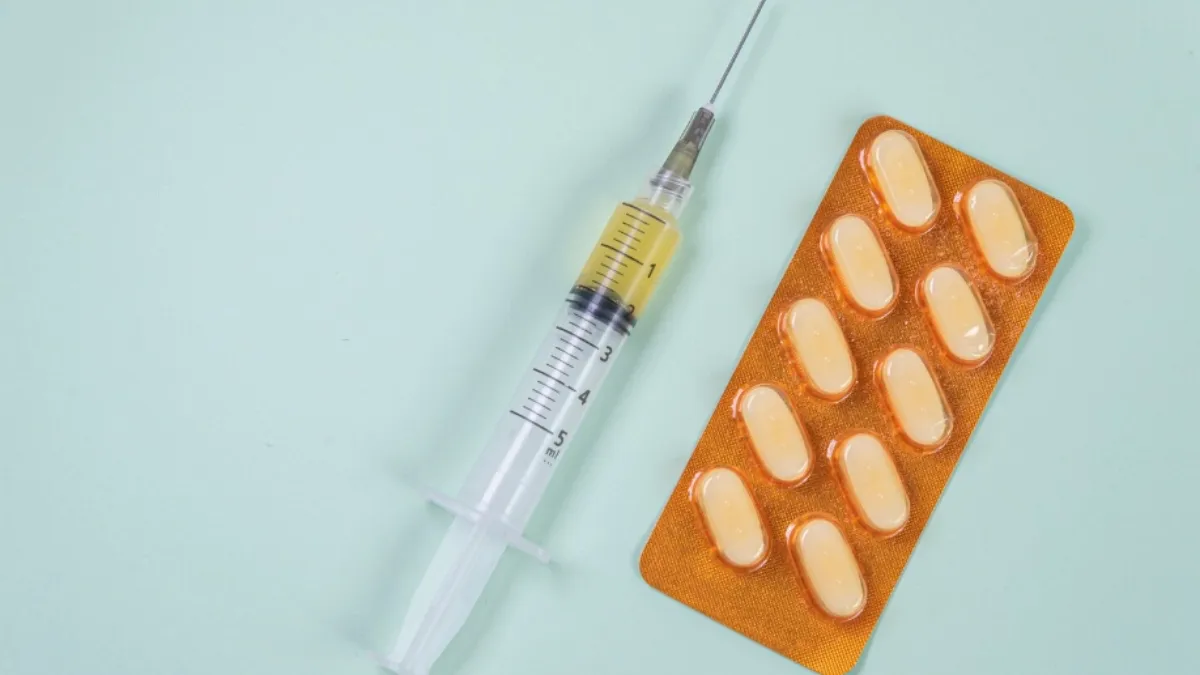
Vitamin B-complex vitamins are an important part of the micronutrients found in a balanced diet. Vitamin B is a water-soluble vitamin. All B vitamins, B1 (thiamine), B2 (riboflavin), B3 (niacin), B5 (pantothenic acid), B6 (pyridoxine), B7 (biotin), B9 (folate), and B12 (cobalamin), dissolve in water.
According to Dr Tushar Tayal, Associate Director- Internal Medicine, CK Birla Hospital, Gurugram, the body does not store most B vitamins in large amounts, so excess is usually excreted through urine. Because of this, a regular dietary intake is needed to maintain adequate levels.
Vitamin Supplementation
Vitamin B12 (cobalamin) is essential for normal red blood cell formation, neurological function and DNA synthesis. Too little can cause anaemia, fatigue, nerve damage and cognitive problems. They are usually treated with oral tablets or intramuscular injections. Which method is the right one has been extensively researched, with current evidence suggesting that how to treat may depend more on what caused the deficiency rather than a single best approach for everyone.
Absorption Mechanisms and Biological Differences
The absorption of vitamin B12 from tablets takes place mainly in the terminal ileum and relies on intrinsic factor, a glycoprotein synthesised by gastric parietal cells. In those patients with normal GI function, oral VitB12 is very well absorbed. Studies have demonstrated that passive diffusion alone is sufficient to absorb approximately 1% of high-dose oral B12 (1000-2000 µg/d) in the absence of intrinsic factor, which may well be sufficient to meet nutritional requirements.
In contrast, vitamin B injections bypass the gastrointestinal tract entirely, delivering B12 directly into the bloodstream or muscle tissue. This route ensures complete bioavailability and rapid correction of deficiency, making it particularly useful when absorption through the gut is impaired.
Evidence from Clinical Studies
Numerous randomised controlled trials and systematic reviews (including the Cochrane reviews) show that using high-dose oral vitamin B12 is as effective as injecting intramuscularly with vitamin B12 in improving serum vitamin B12 level, haemoglobin concentration, and neurological symptoms for patients with a moderate to mild deficiency in vitamin B12. The studies all support that for many patients, tablets can produce equivalents of clinical outcomes compared with injections, when used regularly and the dosage taken is adequate.
Most of these studies also caution that frequent monitoring should be done during the first month of treatment for both measuring therapeutic response and measuring adherence to treatment regimens.
When Are Injections Clinically Preferred?
In instances of pernicious anaemia, bariatric surgery, severe malabsorption, inflammatory bowel disease involving the ileum, and substantial neuropsychiatric symptoms, vitamin B injections are highly recommended. When there is an unreliable or inadequate oral absorption of vitamin B, it is better to use the injection route as a faster and more certain way to provide relief.
In the first phase of treatment, injections are typically used for patients who have either acute or significant vitamin B deficiencies, particularly if there is an associated disturbance to the central nervous system. Depending on the individual's response to the injection, some will then be placed on oral vitamin B therapy for the continuation of therapy after receiving an initial injection.
Safety, Compliance, and Cost Considerations
Oral vitamin B tablets are generally safe, cost-effective, and convenient, leading to better patient compliance over time. They avoid injection-related pain, clinic visits, and procedural costs. Injections, while effective, can be uncomfortable, require healthcare supervision, and are associated with higher overall treatment costs. From a public health and long-term management perspective, oral therapy is often considered more sustainable for eligible patients.
Choosing the Right Approach
Current research clearly shows that neither vitamin B injections nor tablets are universally superior. High-dose oral vitamin B12 is effective for individuals with intact absorption and mild to moderate deficiency, while injections remain essential for those with absorption disorders or severe clinical symptoms. The optimal choice should be individualised, based on clinical evaluation, underlying cause, and ongoing monitoring, ensuring both efficacy and patient adherence.
Disclaimer: Tips and suggestions mentioned in the article are for general information purposes only and should not be construed as professional medical advice. Always consult your doctor or a dietician before starting any fitness programme or making any changes to your diet.
ALSO READ: More vitamins, more problems? The truth about supplements