Love street food? Top gastroenterologist warns poor hygiene can lead to ‘acute liver failure’
Love street food? A gastroenterologist warns that poor hygiene practices, like contaminated water and unwashed hands, can expose you to infections such as Hepatitis A and E. Here’s how unsafe handling impacts gut health and what precautions you should take while eating out.
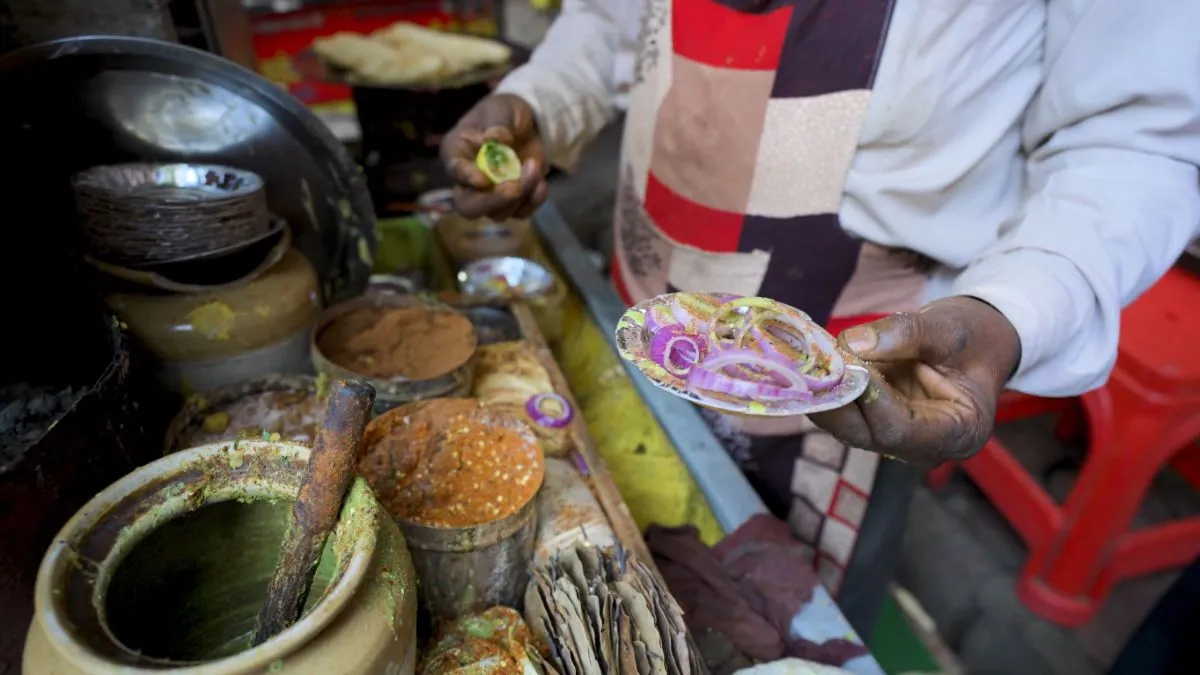
From pani puri to momos and chaat, street food is a guilty pleasure most of us keep going back to. The flavours hit fast. The nostalgia too. But hygiene, not always guaranteed. And that is where the risk quietly builds.
In a February 10 YouTube podcast with Ranveer Allahbadia, Dr Shubham Vatsya, Senior Consultant, Department of Gastroenterology at Fortis Hospital, Vasant Kunj, flagged the gut health risks tied to unhygienic handling. What looks harmless on the surface can, medically speaking, spiral into infections that go beyond a simple stomach upset.
How safe is your favourite street food, really?
During the discussion, Ranveer pointed to how contamination can happen in the most routine way. “If a pani puri vendor goes to the toilet and doesn’t wash their hands properly, tiny traces of faecal matter can remain under the nails. When they dip the puris into the water and serve it, the entire batch of water gets contaminated. And when you consume that water, it goes straight into your stomach,” he said, highlighting how quickly pathogens can spread through shared food handling.
Dr Vatsya backed that concern with clinical context. “This can lead to viral hepatitis, particularly Hepatitis A and Hepatitis E. These are food- and water-borne infections that spread through contaminated food and drinks. In some cases, especially in vulnerable individuals, they can even result in acute liver failure,” he warned.
Public health bodies echo similar risks. Contaminated street food can carry bacteria and viruses that trigger foodborne illness, especially where sanitation and safe water access are limited.
Street food hygiene risks doctors worry about
Unsafe handling, contaminated water, unwashed produce, cross-contamination from hands or utensils. All of it adds up. Even popular items like pani puri are considered high risk because the flavoured water and raw toppings are often exposed and handled repeatedly. Studies have detected pathogens like E. coli and Salmonella in improperly handled samples. The risk is not constant everywhere. But it rises sharply where hygiene slips.
Precautions to take while eating street food
If you are not giving up street food anytime soon, fair. Most people are not. The idea is risk reduction, not fear. Here are medically and globally recommended precautions, drawn from food safety guidance by organisations like WHO, CDC and FAO:
- Choose vendors who cook food fresh and serve it hot
Food that is freshly cooked and steaming hot is far safer because high temperatures kill most pathogens.
- Avoid raw garnishes and cut fruits
Unwashed vegetables and pre-cut fruits can carry germs if handled improperly. Cooked produce is always the safer bet.
- Check water sources when possible
Contaminated water is a major infection route. Drinking boiled, bottled or filtered water reduces risk significantly.
- Watch hand hygiene and utensil use
Vendors should be washing hands frequently and using clean utensils or gloves. Poor hand hygiene is one of the biggest contamination drivers.
- Avoid food kept at room temperature
Bacteria multiply quickly in lukewarm, exposed food. Hot food should be hot. Cold food should be cold.
- Be cautious with chutneys and flavoured waters
Items stored in open containers are more prone to contamination, especially if served repeatedly through the day.
- Prioritise busy stalls with high turnover
Faster turnover usually means fresher food and less time sitting exposed.
- Wash or sanitise your hands before eating
Basic, but effective. Prevents transferring germs from surfaces to your mouth.
- Avoid undercooked meats or eggs
Thorough cooking is essential to kill harmful bacteria.
- Trust your gut, literally
If something smells off, looks stale or feels unhygienic, skip it.
Street food will always remain part of urban food culture. The goal is not elimination. Just awareness. Because while the flavours may be irresistible, your gut still has to deal with the aftermath.
Disclaimer: Tips and suggestions mentioned in the article are for general information purposes only and should not be construed as professional medical advice.
ALSO READ: Gastroenteritis cases surge in India: Causes, symptoms and prevention tips