How dangerous are your daily habits for your brain? A neurosurgeon rates them out of ten
How dangerous are your daily habits? A neurosurgeon ranks alcohol, sleep deprivation and even skipping tooth brushing by brain risk, revealing how routine behaviours many people ignore can quietly damage memory, cognition and long-term brain health.
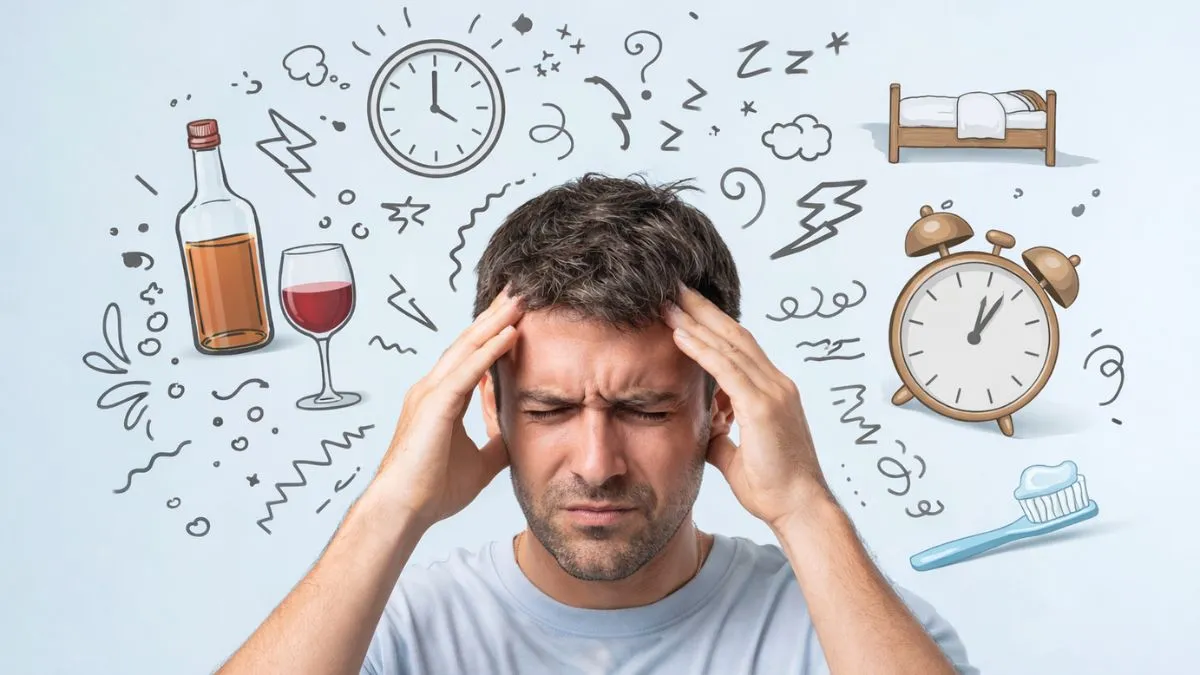
We usually associate brain damage with extreme events, trauma, strokes, or serious diseases. However, as per a viral video on Instagram by a neurosurgeon, some of the most dangerous habits to the brain are actually concealed in common practices that people do not give a second thought to.
In a recent video, Zayed Almadidy, also known as Doctor Z, was asked to give a rating of habits from 1 to 10 regarding how harmful they are to the brain. His answers were blunt, science-backed, and a little unsettling.
Habits that are ruining brain health, ranked
Alcohol: 8.5/10
Alcohol tops the danger list faster than most people expect. As stated by Dr Almadidy, “Chronic alcohol consumption affects the body’s ability to absorb vitamin B1, which is vital for brain function.” This creates a deficiency that can cause Wernicke-Korsakoff syndrome, which impacts memory and cognitive function. Long-term excessive drinking, he adds, can also cause brain shrinkage and significantly increase the risk of dementia.
In short, the brain pays a much higher price for regular heavy drinking than people realise.
Not brushing your teeth: 7/10
This one surprises almost everyone. Missing oral care not only affects your smile, but it may also impact your brain. According to Dr Almadidy, poor dental hygiene can lead to gum disease, which has been shown to increase the risk of dementia. Chronic inflammation appears to be the connecting thread, reinforcing how closely oral health and brain health are linked.
Lack of sleep: 9.5 to 10/10
This is the most dangerous habit on the list and one of the most normalised. “If you’re not getting seven to eight hours of sleep every night, the brain can’t metabolise the toxins that build up during the day,” Dr Almadidy explains. Sleep is when the brain effectively “cleans itself”. Without it, toxins accumulate, leading to brain fog, poor performance, and, over time, a higher risk of dementia. Missing sleep regularly is not only going to make you feel tired, it’s also going to make your brain vulnerable.
The worst habits for your brain are not always illegal, dramatic, or obvious.
Some are socially accepted, brushed off, or even joked about, like sleeping too little or skipping basic self-care. The message is clear from Dr Almadidy. You don’t need to go to extremes to protect your brain. Your brain remembers everything, even when you do not.
Disclaimer: Tips and suggestions mentioned in the article are for general information purposes only and should not be construed as professional medical advice. Always consult your doctor or a dietician before starting any fitness programme or making any changes to your diet