EXPLAINED: What triggered Nestle’s infant formula recall, and should parents worry?
Nestlé has recalled select baby formula batches over a possible contamination risk linked to an ingredient. No illnesses have been reported, but parents are advised to stay cautious.
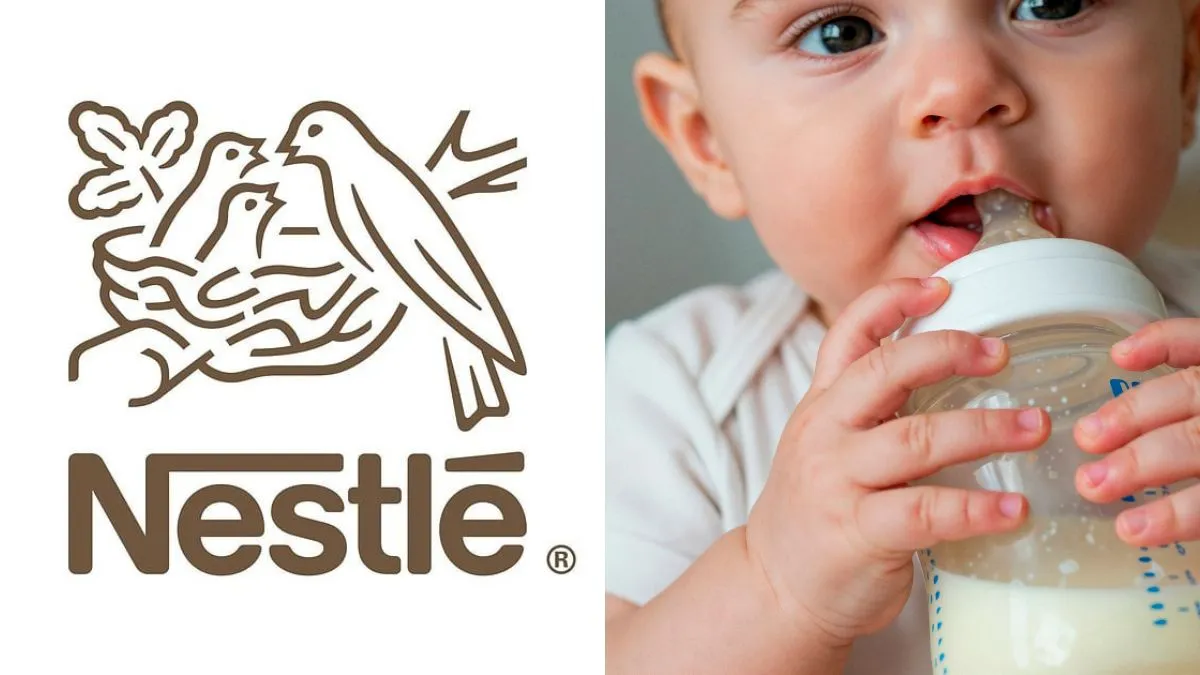
Swiss-based multinational food conglomerate, Nestle, has announced the recall of some batches of its baby formula. This action was followed by the identification of a potential contamination risk caused by an ingredient in the formula.
In a statement issued on 6 January, the Switzerland-based firm stated, "Following the detection of a quality issue with an ingredient provided by a leading supplier, Nestle has undertaken testing of all arachidonic acid (ARA) oil and corresponding oil mixes used in the production of its potentially affected infant nutrition products."
"No illnesses have been confirmed in connection with the products involved to date," the statement further reads. Here's everything you need to know about Nestle's baby formula recall, the toxins and signs to watch out for.
What prompted the recall?
According to Nestle, routine quality checks detected a problem with ARA oil supplied by a leading vendor. Subsequent testing revealed the possible presence of cereulide, a toxin produced by certain strains of the bacterium Bacillus cereus, which can cause foodborne illness.
“The presence of cereulide in oils is very uncommon,” the company said, adding that it is working closely with the supplier, who is conducting a full root-cause analysis. Nestle has also informed food safety authorities in affected countries and initiated recalls where required.
According to Dr Ravi Malik is the Director and a Senior Consultant Paediatrician at Malik Radix Healthcare, "Cereulide is a substance of bacterial origin that causes foodborne illness and is created by certain strains of the microorganism, Bacillus cereus. It is an emetic toxin and is resistant to heat. Symptoms like nausea and vomiting occur 1 to 6 hours after ingestion of food contaminated with this toxin. The Nestlé issue - Following the detection of cerulide in infant formula products, Nestlé has issued a global recall of some of its products in various countries. However, India doesn't currently figure in this list."
He adds, "Infants have an immature digestive and detoxification system, so even small amounts of certain toxins can affect them more than adults. Look out for symptoms like repeated vomiting, poor feeding, lethargy and irritability. The toxin cereulide is usually not deactivated or destroyed by cooking, using boiling water or when making the infant milk. Henc,e parents should be careful. Watch out for early symptoms."
Importantly, no illnesses have been confirmed in connection with the affected products so far.
What is cereulide and why does it matter?
Cereulide is a toxin of bacterial origin that can lead to food poisoning. When ingested, it may cause severe or persistent vomiting, diarrhoea, or unusual lethargy, typically appearing within 30 minutes to six hours of exposure. Nestle clarified that if no symptoms are present, there is no cause for immediate health concern, but parents should still discontinue use of recalled products as a precaution.
Dr Sheetal Kaushik, Senior Consultant, Gynaecologist, Paras Health Udaipur, explains it further, "Arachidonic acid (ARA) is an important fatty acid added to infant formula to support brain development, vision, and immune function in babies. However, if an ingredient like ARA oil is compromised or contaminated during manufacturing, it can pose health risks—especially for infants, whose digestive and immune systems are still developing. Consumption of contaminated formula may lead to symptoms such as vomiting, diarrhoea, poor feeding, abdominal discomfort, fever, or unusual irritability. In rare cases, prolonged exposure could affect nutrient absorption and overall growth."
The doctor adds, "Parents and caregivers should immediately stop using any recalled batches and follow the manufacturer’s guidance on returns or replacements. If a baby has consumed the affected formula and shows symptoms like persistent gastrointestinal upset, lethargy, reduced urine output, or fever, medical advice should be sought promptly. This recall highlights the importance of stringent quality checks in infant nutrition products, as even minor lapses can have significant implications for infant health and safety."
Which products and countries are affected?
ARA oil is used in a range of infant nutrition products globally, meaning the recall affects multiple brands and countries, including products under names such as SMA, Beba and NAN, depending on the market.
Nestle said the exact products and batch numbers vary by country, and parents are advised to check local Nestle or brand-specific websites for official recall notices and instructions.
At present, India has not been included in the recall list.
Nestle’s assurance to caregivers
Nestle stated that the recalled batches account for less than 0.5% of its annual global sales and that the financial impact is expected to be minimal. The company emphasised that the recall is precautionary and in line with its safety protocols.
“The safety and well-being of infants remain our top priority,” Nestle said, adding that it remains committed to transparency and ongoing communication with parents and caregivers.
Disclaimer: Tips and suggestions mentioned in the article are for general information purposes only and should not be construed as professional medical advice. Always consult your doctor or a dietician before starting any fitness programme or making any changes to your diet.