Night owls beware: Screens, midnight snacks and metabolic health risks
Late-night screen time and midnight snacking may disrupt circadian rhythms, increase insulin resistance, and raise metabolic risk. Learn how these common habits impact your long-term health.
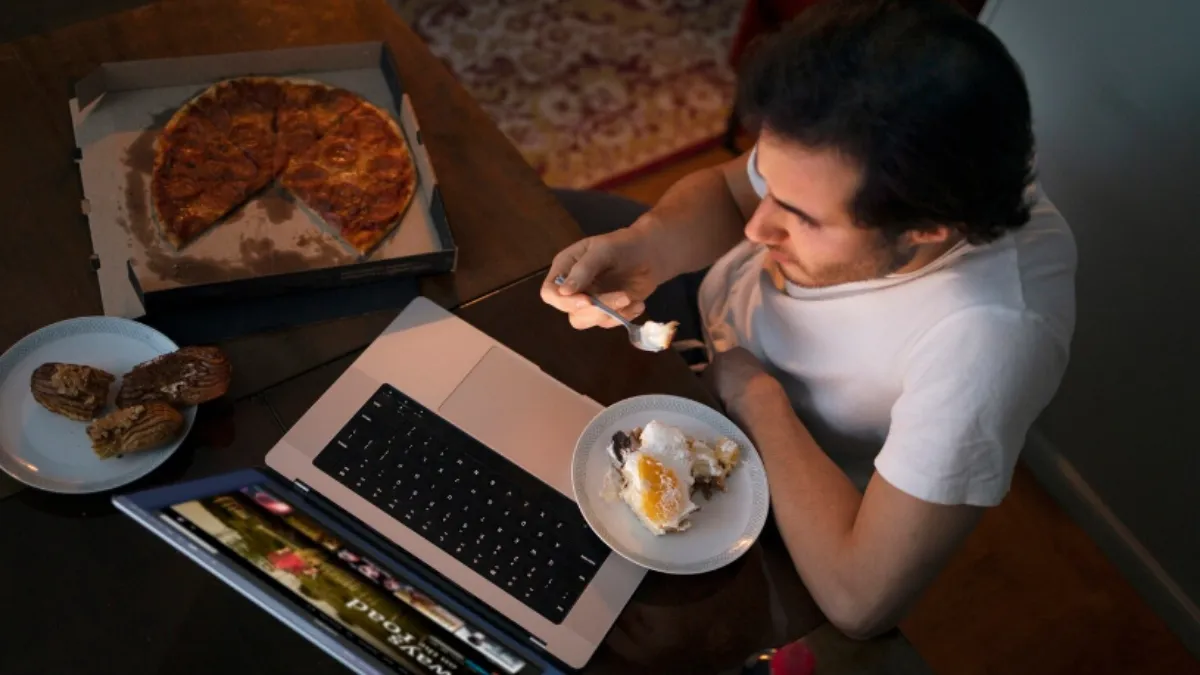
The new world of remote working and endless streaming has transformed the way people eat. Many now follow a specific habit: eating late at night while glued to a screen. What used to be a rare midnight snack has become a daily routine for millions. This combination of blue light and nighttime calories does far more than disrupt sleep; it creates a metabolic conflict.
The Timing Conflict
According to Dr Rajmadhangi D, MBBS, MD (General Medicine), at Apollo Spectra, Chennai, the human body has an internal clock that operates on a 24-hour cycle. It is meant to digest food during the day and repair and recover itself at night. When a person eats late at night while staring at a phone or TV, it sends a mixed signal to the brain.
Blue light from these devices prevents the body from producing melatonin, the hormone that signals to the brain it is time to sleep. At the same time, eating results in an insulin surge. This leads to a "circadian mismatch" where the body is attempting to wake up and eat at the same time. This confusion leads to higher blood sugar and makes it harder for the body to handle insulin than when eating the same meal at noon.
Screen Use and "Mindless" Consumption
Screen use also affects the psychological experience of eating. It changes the way people consume food. When someone is focused on a show or scrolling through a feed, they stop paying attention to "fullness" signals. Digital distraction makes it easy to ignore the hormonal cues that say the stomach is full. This usually leads to eating much larger portions of "comfort foods" that are high in sugar and fat. Because the body is preparing for rest, it isn't prepared to burn these extra calories.
Metabolic Consequences
This habit creates problems that go far beyond just gaining a few pounds. Eating while using screens at night is associated with the following metabolic disorders:
- Increased Blood Fats: Late meals can lead to an increase in the level of triglycerides (blood fats).
- Acid Reflux: Late meals can cause heartburn and improper digestion of nutrients because digestion is slowed down during sleep.
- Storage Mode: Without sunlight or movement to signal calorie burning, the body is much more likely to store those late-night calories as fat.
Conclusion
A good way to fix this is to set a "digital and nutritional sunset." Putting away both the snacks and the screens two or three hours before bed allows the body a chance to recover. Aligning food habits with natural light cycles helps the metabolism function much more efficiently and promotes better sleep.
Disclaimer: Tips and suggestions mentioned in the article are for general information purposes only and should not be construed as professional medical advice. Always consult your doctor or a dietician before starting any fitness programme or making any changes to your diet.
ALSO READ: Always busy, always tired? 7 signs productivity is hurting your health