Is Delhi’s pollution making you weak? The doctor explains how smog harms your blood
Air pollution is damaging more than your lungs; it’s silently lowering haemoglobin and increasing anaemia risk. Experts explain how toxins like PM2.5 affect red blood cells, nutrient absorption, and overall immunity, and what you can do to protect your blood health.
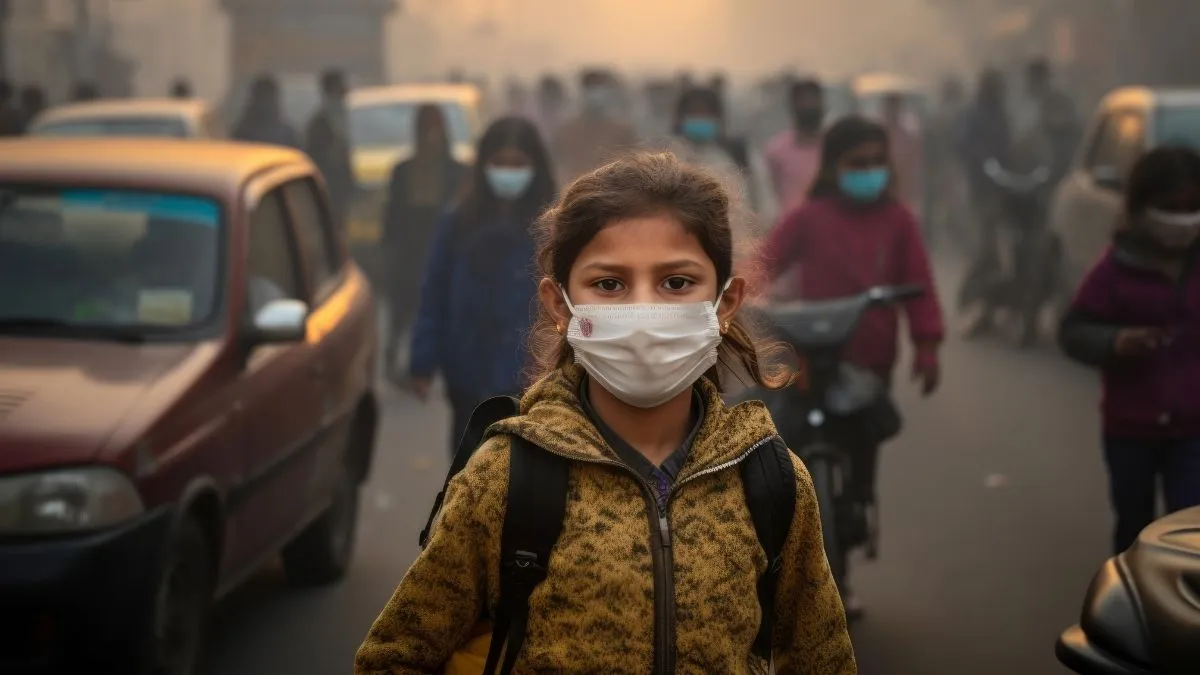
Air pollution has slowly grown from a seasonal inconvenience into a full-blown public health crisis. We see its effects in hazy skies, scratchy throats and burning eyes, but what often goes unnoticed is the silent damage it inflicts on the blood. While most of the conversation around toxic air revolves around the lungs and the heart, the link between air pollution and anaemia is just as alarming, yet rarely discussed.
Dr Shubhprakash Sanyal, Director – Haematology, Hemato-oncology & BMT Physician, Fortis Hospital Mulund, Mumbai, shed light on the subject. Dr Sanyal shared, "Anaemia happens quietly. There’s no drama, no sudden symptoms, just a slow, creeping fatigue, a breath that feels shorter than usual, a mind that tires before the day ends. And for millions living in polluted cities, this decline often begins with the air they breathe."
How polluted air affects your blood
Air pollution is packed with microscopic toxins — PM2.5, PM10, carbon monoxide, sulphur dioxide, nitrogen oxides — that easily enter the lungs and slip into the bloodstream. Once inside, they trigger inflammation and oxidative stress, damaging red blood cells and interfering with haemoglobin production.
Haemoglobin is the protein that carries oxygen throughout the body. When it drops, you feel tired, weak, foggy, and breathless. Polluted air essentially forces the blood to work harder while giving it fewer resources to do the job.
The hidden nutrient trap: pollution affects absorption too
Most people are unaware of the fact that air pollution not only harms blood cells but also inhibits the absorption of key nutrients involved in building healthy blood, such as iron, folic acid, and vitamin B12.
That means even those who eat well may still suffer from low haemoglobin if they are constantly exposed to polluted air. For pregnant women, the stakes are even higher: anaemia increases the likelihood of extreme fatigue, preterm birth, and low birth weight.
Who is most at risk?
While anyone exposed to high levels of pollution can be affected, some groups need to be especially careful:
- Children and adolescents
- Pregnant women
- People with chronic illnesses
- Older adults
People residing around high-traffic zones or industrial areas. These groups already have increased requirements for oxygen and nutrients, rendering them sensitive to decreases in haemoglobin.
Can you reduce the risk? Small changes make a real difference
You cannot eliminate pollution overnight, but you can reduce how much your body suffers.
What you can do at home
- Use a HEPA-grade air purifier in your bedroom
- Keep windows closed during peak AQI hours (early morning & late evening)
- Stay hydrated to support healthy blood function
- Eat iron-rich foods (spinach, beetroot, raisins, jaggery, legumes, meat, eggs)
- Include folate and B12 sources in daily meals
- Avoid smoking and limit exposure to second-hand smoke
When stepping outdoors
- Wear an N95 mask during high-pollution days
- Avoid outdoor exercise when AQI > 200
- Prefer public transport or carpooling to reduce overall emissions
Air pollution is often called a silent killer, and anaemia is one of its quietest consequences. The damage happens slowly, invisibly, but steadily. Protecting your blood health in polluted conditions isn’t optional anymore; it’s essential.
Also read: Mahima Chaudhry had no symptoms; doctors explain how breast cancer stays silent