Can extreme heat quietly damage your body? Here’s what happens above 40°C and what the WHO says to stay safe
Heatwaves are not just uncomfortable. Research shows temperatures above 40°C can seriously affect the body at a cellular level. Here’s what the WHO recommends to stay safe during extreme heat.
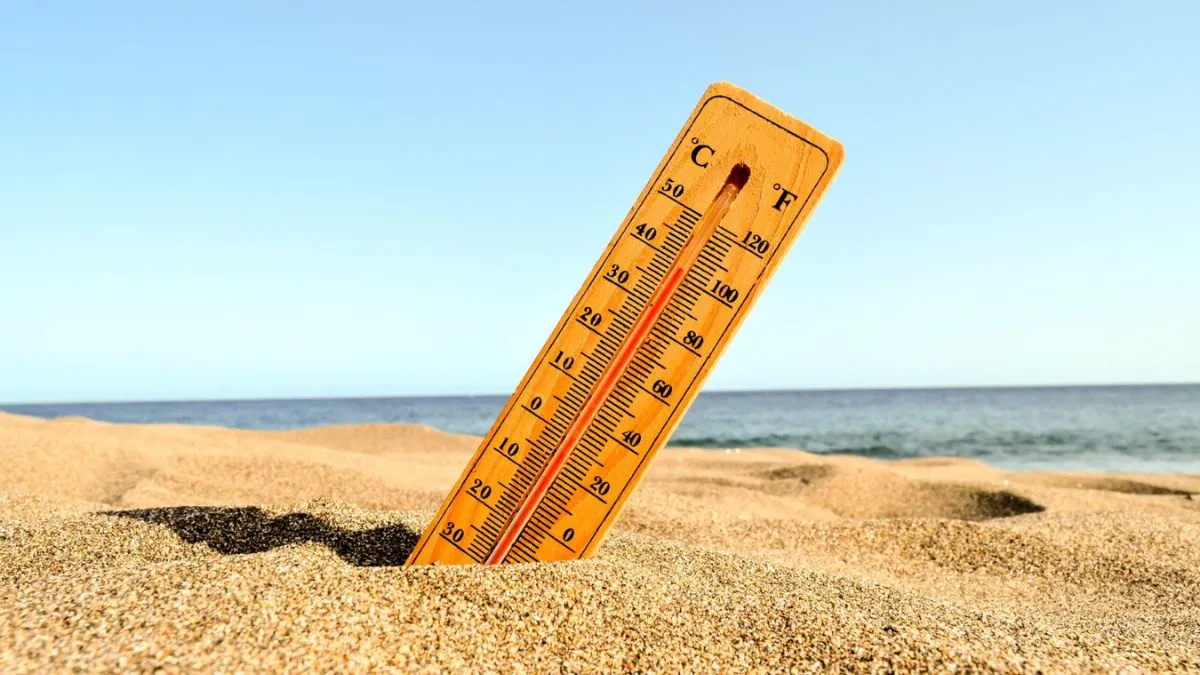
Large parts of north and central India are currently dealing with brutal heatwave conditions, with temperatures in and around New Delhi climbing close to 45°C. The India Meteorological Department has already issued alerts, but health experts say the bigger concern is what this kind of heat can quietly do inside the human body.
Once temperatures rise too high, the body does not just feel uncomfortable. It starts struggling at a biological level. Research published in Springer Nature in 2025 and studies available through PubMed in 2023 suggest that extreme heat can trigger damage across multiple organs if the body overheats for too long.
Why temperatures above 40°C become dangerous
According to researchers, the human body starts facing serious stress once internal temperatures rise beyond 40°C.
At that point, hyperthermia can begin damaging cells directly. Blood cells like platelets and granulocytes are especially sensitive to heat, which may increase inflammation and even trigger abnormal blood clotting.
Researchers also point towards something called “heatstroke pathophysiology”, where mitochondrial damage and oxidative stress begin affecting how organs function.
The heart comes under pressure too. In order to cool the body down, the heart starts working harder and pumping faster. For people who already have medical conditions, this extra strain may increase the risk of strokes, arrhythmias and ischemic heart disease.
A 2023 report by Mayo Clinic Health System also warned that high heat and humidity can become particularly risky for people dealing with high blood pressure or heart disease.
When the body gets too hot, more blood gets redirected towards the skin to release heat. That means the heart has to circulate much more blood every minute, sometimes nearly double the usual amount.
The report also highlighted groups who are more vulnerable during heatwaves, including:
- People above 50
- Overweight adults
- Those with heart, lung or kidney conditions
- People taking diuretics, sedatives or blood pressure medicines
- Individuals on low-sodium diets
- Anyone with circulation-related problems
Dehydration remains one of the biggest dangers. If the body loses more fluids than it takes in, normal body functions can begin breaking down and serious complications may follow.
WHO-backed tips to stay safe during a heatwave
The World Health Organisation released updated recommendations in 2011 to help people reduce the risk of heat-related illness.
1. Keep your home as cool as possible
The WHO advises opening windows during the night and early morning when outside temperatures are lower.
During the daytime, shutters and windows facing direct sunlight should stay closed. Shades, curtains and draperies can help reduce indoor heat. Some people also use wet towels for cooling, although that may increase humidity indoors.
Electric fans may provide some comfort, but the WHO notes that once temperatures move above 35°C, fans alone may not fully prevent heat-related illness.
Ideally, room temperatures should stay below 32°C during the day and under 24°C at night. This becomes especially important for infants and adults above 60.
2. Keep your body cool and hydrated
The WHO recommends wearing loose, lightweight clothing made from natural fabrics like cotton. Wide-brimmed hats are also useful while outdoors.
Drinking fluids regularly is important. Alcohol, excessive caffeine and sugary drinks should be limited during heatwaves.
People are also advised to eat smaller meals more frequently and avoid very high-protein foods because they may increase metabolic heat.
Cooling methods like cold showers, cool water sponging and cold packs may also help bring body temperature down.
3. Plan outdoor movement carefully
Staying indoors during the hottest part of the day is strongly recommended.
If physical work, exercise or labour cannot be avoided, the safest window is generally between 4 am and 7 am when temperatures are relatively lower.
The WHO also suggests spending two to three hours in air-conditioned public places like malls or libraries if homes become dangerously hot.
Signs of a heat emergency you should not ignore
The WHO says symptoms like dizziness, anxiety and intense headaches should be treated seriously during extreme heat.
Anyone experiencing these symptoms should immediately move to a cooler place and drink water or fruit juice.
However, some symptoms point towards a medical emergency. These include:
- Hot and dry skin
- Delirium
- Convulsions
- Unconsciousness
In such situations, an ambulance should be called immediately.
The person should be shifted to a cool area and laid flat with legs slightly elevated. External cooling should begin straight away using cold packs around the neck, armpits and groin.
The WHO specifically advises against giving paracetamol or aspirin during heatstroke situations. If the person becomes unconscious, they should be placed on their side in the recovery position.
The organisation also stresses the importance of “checking in” on elderly or sick neighbours living alone, especially during long heatwaves.
With urban heat trapping making cities even hotter, experts say awareness, hydration and regular check-ins may end up saving lives during extreme summer conditions.
ALSO READ: Heatwave alert: Scorching heat likely to prevail across India, IMD issues yellow alert for Delhi