HPV vaccination drive sees strong start, nearly 3 lakh girls immunised in two weeks
India’s HPV vaccination programme has recorded a strong early response, with nearly three lakh girls immunised within two weeks of its launch. Beyond the update, here’s a look at how the programme works, who it targets and why it matters.
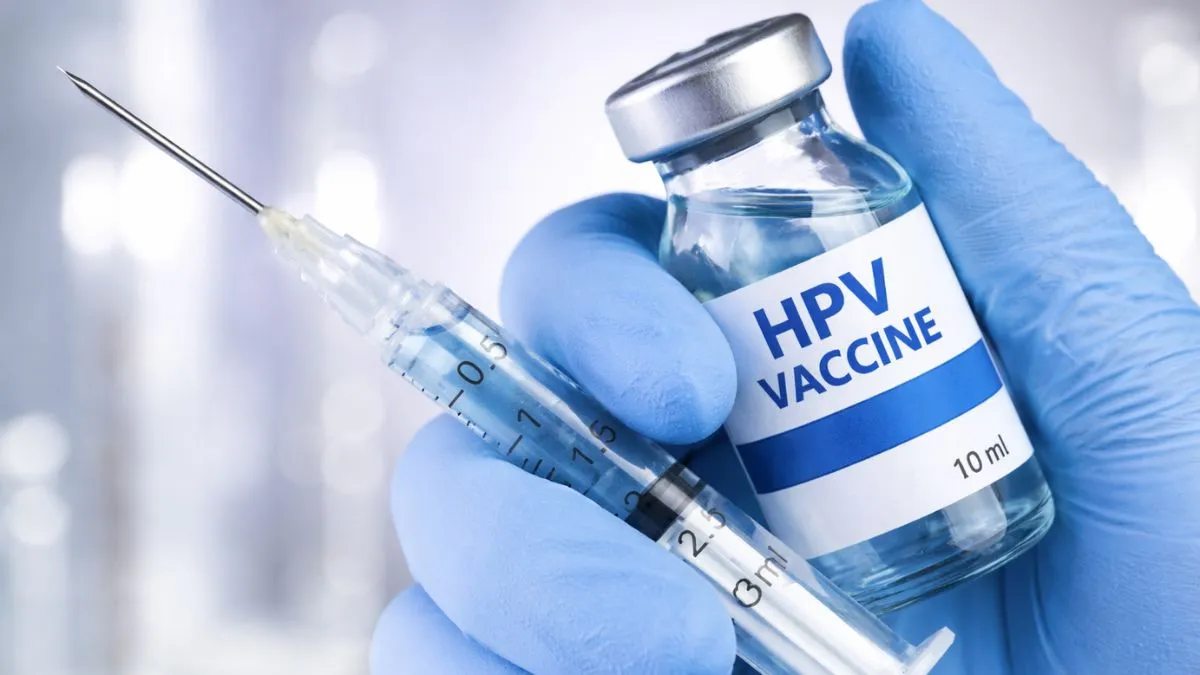
The rollout of the HPV vaccination programme across India has picked up pace faster than expected. Within just two weeks, the numbers are already notable. It is still early, but the initial response suggests people are paying attention.
This is not just another routine immunisation drive. The focus here is specific. Preventing cervical cancer at an early stage, before risk builds over time. And that shift, towards prevention rather than treatment, is what makes this programme stand out.
Early uptake shows encouraging response
According to government data, close to three lakh 14-year-old girls have already received the HPV vaccine since the programme began on February 28. Coverage is expanding steadily, with several states reporting strong initial participation.
Why the HPV vaccine matters
Cervical cancer remains one of the most common cancers among women in India, and it is largely preventable.
Current estimates suggest:
- Over 80,000 cases are reported in India each year
- India accounts for a significant share of the global burden
- It is among the leading cancers affecting women in the country
This makes early intervention critical. The HPV vaccine targets the virus responsible for the majority of cervical cancer cases.
What the programme includes
The campaign is using Gardasil, a quadrivalent HPV vaccine.
It provides protection against:
- HPV types 16 and 18, which are linked to most cervical cancer cases
- HPV types 6 and 11, associated with other HPV-related conditions
The vaccine is being offered as a single-dose shot to girls aged 14. This age group, estimated at around 1.15 crore across India, has been selected to ensure protection before long-term exposure risks increase.
Why the timing matters
Health officials have linked the early response to growing awareness around preventive healthcare. Parents, schools and communities are increasingly recognising the long-term benefits of vaccination.
Although the rollout has coincided with the academic calendar in many regions, participation has remained steady. Coverage is expected to improve further in the coming weeks.
How the rollout is being managed
The programme is being implemented through coordinated efforts at multiple levels:
- Schools are being used as key access points
- Local authorities are supporting outreach
- Frontline healthcare workers are handling on-ground delivery
This approach aims to make the vaccine accessible while ensuring smooth implementation.
A shift towards prevention
The larger idea behind the programme is simple. Act early.
Cervical cancer develops over time, which means prevention at the right stage can significantly reduce future risk. The HPV vaccination drive reflects a broader move towards preventive healthcare, focusing on long-term impact rather than immediate outcomes.
Not dramatic. But important. And likely to matter more over time.
ALSO READ: Free HPV vaccine for 14-year-old girls in India: Everything you need to know about the 2026 campaign