‘Not the weight, it's the form’: Surgeon with 30 years’ experience warns of rising exercise-related hernias
Exercise-related hernias are becoming more common due to poor form, overtraining and unsafe home workouts. Heavy lifting, holding breath, and fatigue can weaken the abdominal wall and cause injury. Surgeons say early detection and proper technique can prevent most hernia cases.
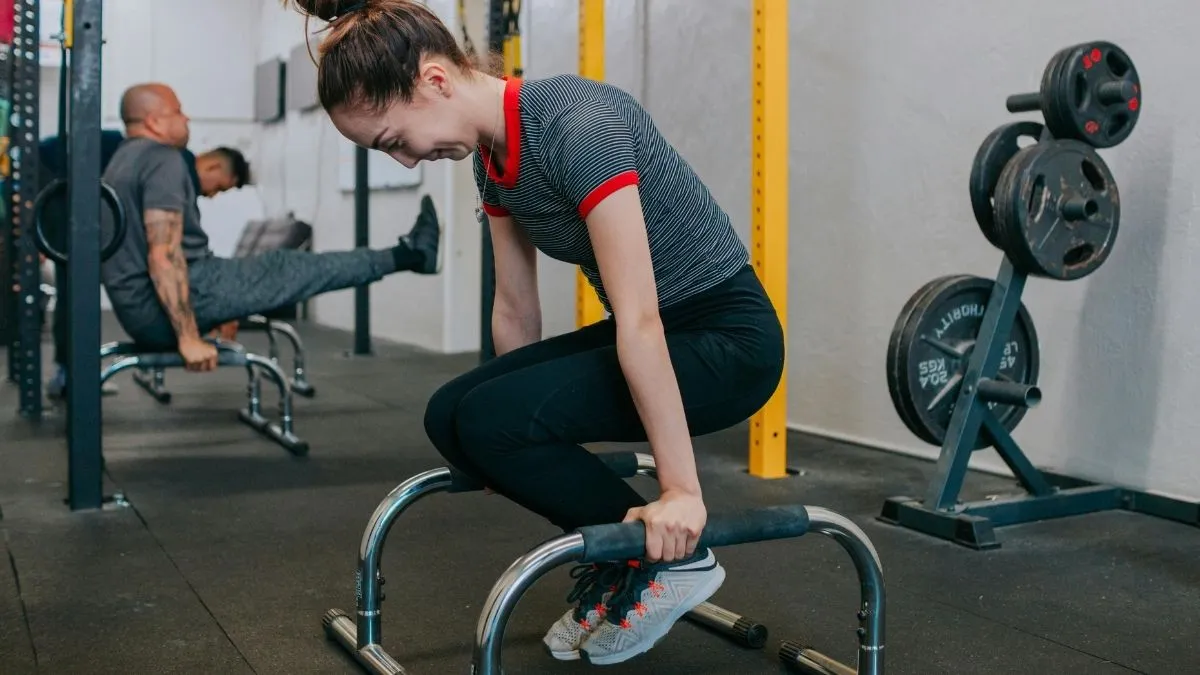
The popularity of the gym culture, HIIT work, and home-based fitness has opened up exercise to more people, but, paradoxically, to more injuries as well. The surgeons are seeing an uptick in exercise-induced hernias, particularly among young adults who train hard without attention to form.
According to Dr Ashish Gautam, Principal Director, Robotic and Laparoscopic Surgery, Max Super Speciality Hospital, Patparganj, New Delhi, this trend is driven by a dangerous mix of ambition, misinformation and ego. He says many cases are completely avoidable, yet people end up in surgery because they “push their body beyond its anatomical limits without understanding how movement affects the abdominal wall.”
How workouts can trigger a hernia
A hernia happens when internal tissue pushes through a weakened section of the abdominal wall. High-pressure activities such as heavy lifting, explosive movements or intense core exercises can create this weakness, especially when done incorrectly.
Dr Gautam explains that strain caused by improper technique, sudden jerky movements, and lifting weights heavier than one can handle can all cause a tear.
In simple terms, it’s not just heavy weights that are risky; it’s how badly they’re lifted.
Bad form is more dangerous than heavy weights
Many people worry about lifting heavy, but surgeons emphasise that poor form is the real threat.
Exercises like squats, deadlifts, overhead presses and planks can be perfectly safe when done well, but disastrous when the body loses alignment.
According to Dr Gautam, lack of core engagement and incorrect postures during workouts significantly increase abdominal pressure, weakening the muscle wall over time. Exclusive Opinion Article-Fitne…
This isn’t a one-time event.
Many hernias develop gradually, before a single workout becomes the final trigger.
Fatigue + ego lifting = the perfect storm
One of the most overlooked risk factors is training to exhaustion.
When the body is tired:
- Stabilising muscles shut down
- Technique collapses
- Abdominal pressure spikes
Dr Gautam notes that “lifting without adequate warm-up or holding the breath during strenuous lifts” also adds to the risk, often without the person realising the strain they are putting on their body.
Combine that with social media-fuelled competitiveness, and injuries become inevitable.
Why home workouts increased hernia cases
The pandemic-era gym-at-home trend encouraged people to push themselves without coaching, programming or feedback.
Self-designed workouts often include high volumes of crunches, sit-ups and advanced core exercises, performed daily and without recovery.
Dr Gautam points out that excessive abdominal workouts weaken the tissues instead of strengthening them, especially when performed incorrectly.
Warning signs people ignore
Many dismiss early symptoms because they resemble muscle soreness.
But red flags of a potential hernia include:
- Groin or lower abdominal pain after exercise
- A noticeable bulge
- Pain when coughing, lifting or bending
- Sudden swelling
- A dragging or heavy sensation
Ignoring these signs can lead to incarcerated or strangulated hernias, which may require emergency surgery.
Why timely treatment matters
A hernia doesn’t resolve on its own; the defect in the muscle wall remains.
Dr Gautam emphasises that minimally invasive laparoscopic and robotic surgery offer excellent outcomes, with faster recovery, fewer complications, and quicker return to activity. Modern techniques also reduce recurrence risk, which is crucial for active individuals.
How to prevent exercise-related hernias
Respect form over performance
Quality movement beats heavy lifting.
Avoid breath-holding during strain
It spikes internal pressure.
Build core strength progressively
Endurance before intensity.
Don’t train through pain
Discomfort is feedback, not weakness.
Allow recovery time
Muscles strengthen during rest, not exertion.
Seek professional guidance when learning new movements
Even short coaching sessions prevent long-term damage.
Fitness should build resilience, not surgical necessity. Most exercise-related hernias are preventable with smart training, proper technique and realistic progression.
As Dr Gautam reminds people, the goal isn’t to train harder than your body can tolerate; it’s to train in a way that keeps you functioning well into the future.
In other words, the body can handle effort; it just can’t negotiate with the ego.
Also read: Hernia: Know types, causes, treatment options and more about the painful condition