Ebola is not connected to COVID-19, says Mumbai doctor amid outbreak concerns
Amid growing concern around the recent Ebola outbreak, many people are mistakenly comparing the virus to COVID-19. Consulting Physician explains that Ebola is a completely different disease that spreads through direct contact with infected bodily fluids and animals such as fruit bats and monkeys.
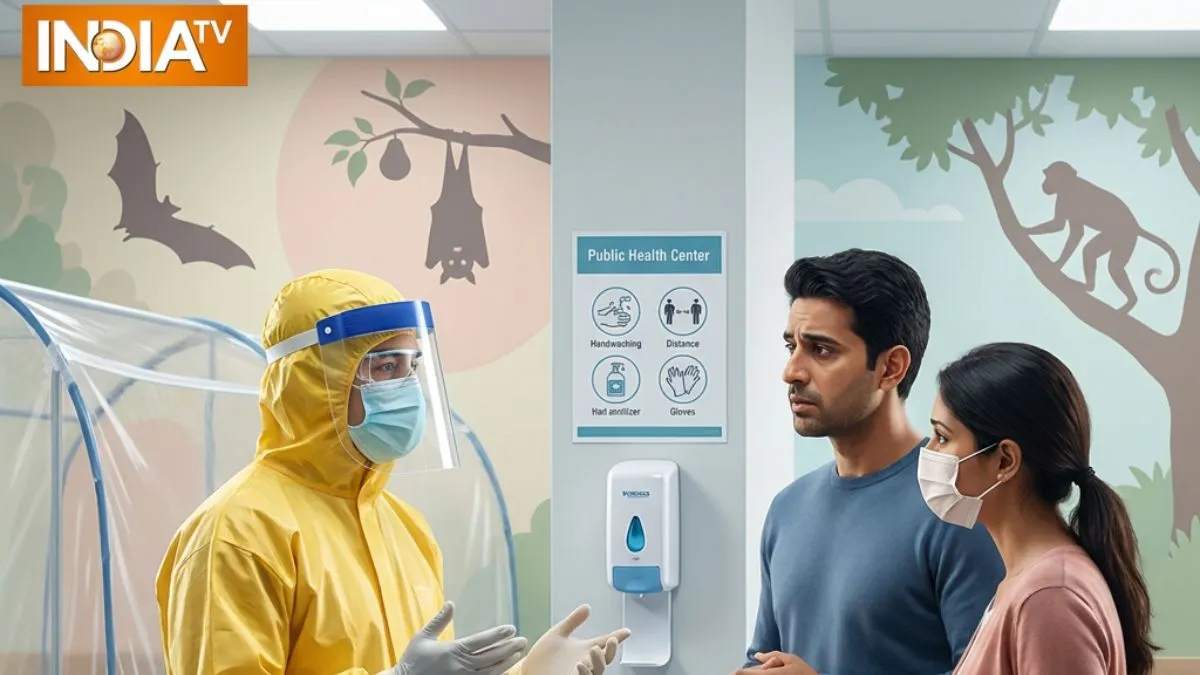
The recent Ebola outbreak has left many people anxious, with some even comparing it to the COVID-19 pandemic. But the misinformation spread on social media about the disease has only created more confusion among people. It is important to understand that Ebola is an entirely different disease from the coronavirus.
Dr Manisha Bhatt, Consulting Physician at Zynova Shalby Hospital, Mumbai, explained that there is “no connection between Ebola and COVID-19” despite growing panic around the outbreak. According to her, awareness and timely precautions are important to avoid unnecessary fear and misinformation. She stressed that people should rely on verified medical advice instead of rumours circulating online.
How Ebola spreads among humans
Explaining the transmission of the virus, Dr Bhatt said Ebola can spread through infected animals such as fruit bats, chimpanzees, gorillas and monkeys. Exposure to the blood, organs, secretions or bodily fluids of infected animals can increase the risk of infection.
She further explained that Ebola also spreads through direct contact with the blood or body fluids of an infected person. Touching contaminated objects or surfaces carrying infected body fluids, handling infected patients without proper precautions, and unsafe burial practices can also contribute to transmission.
“Unsafe burial practices, which means direct contact with the body of a deceased Ebola patient, can also spread the infection,” she said.
Unlike airborne viral illnesses, Ebola mainly spreads through close physical contact with infected bodily fluids. This is why doctors often emphasise strict infection control measures, protective gear and early isolation of infected individuals.
Symptoms people should not ignore
According to Dr Bhatt, common Ebola symptoms include fever, fatigue, headache, vomiting, abdominal pain and skin rashes. In some cases, symptoms may initially appear similar to common viral infections, which can make early diagnosis challenging.
She stressed that people should remain alert about any unusual symptoms and seek medical attention without delay, especially if they have travelled to high-risk regions or come in contact with infected individuals.
“Timely diagnosis and treatment are key to saving the patient’s life,” she added.
Medical experts also warn that delayed treatment can increase complications and make recovery more difficult. Early medical intervention, supportive care and proper monitoring remain extremely important in Ebola management.
Precautions experts recommend
Dr Bhatt advised people to maintain proper personal hygiene and avoid contact with infected individuals. She also highlighted the importance of isolating Ebola patients at dedicated healthcare centres instead of home settings, as family members may also be at risk of infection.
“Make sure you don’t come in contact with fruit bats, monkeys and apes,” she said, while also encouraging people to consult healthcare experts regarding vaccination awareness and preventive measures.
She further noted that public awareness plays a major role in controlling outbreaks. Simple preventive habits such as washing hands regularly, avoiding unsafe contact with bodily fluids and following medical guidelines can significantly reduce risk.
While the outbreak has raised concern globally, experts continue to stress that panic is not the solution.
Also read: WHO declares Ebola outbreak in Congo and Uganda a global health emergency