The first 1,000 days shape a child’s brain more than we realise, a neonatologist explains
Parents today are paying closer attention to children’s brain development, from nutrition to screen habits. A paediatrician explains why the first 1,000 days matter and how everyday choices shape long-term health.
Parents today are far more aware of what goes into their child’s body and how those early choices shape the developing brain. It’s a shift paediatricians have been noticing quietly over the past few years. Conversations that once revolved only around weight and height now include nutrients, sleep patterns and screen habits.
According to Dr Vinaya P, MBBS, DCH, DNB, Consultant, Pediatrics & Neonatologist at Apollo Cradle, Koramangala, Bangalore, this growing awareness is a welcome change. She says parents are no longer looking for shortcuts. Most families now try to avoid processed foods and excess sugar, leaning instead towards home-cooked meals. Labels are being read. Proteins, healthy fats, fruits and vegetables are no longer afterthoughts. There is also a noticeable rise in questions around iron, iodine, omega-3 fatty acids and vitamins that support brain development.
Why the first 1,000 days matter so much
Doctors have long emphasised that the first 1,000 days of life, from conception to around two years, are critical. Dr Vinaya explains that nearly 80 to 90 per cent of brain development happens during this period, which is why early nutrition and routine matter so much. This is also the reason paediatricians caution against unnecessary supplements. Balanced, age-appropriate meals tend to work far better unless a deficiency has been medically identified.
Breastfeeding, when possible, continues to play an important role, followed by the timely introduction of complementary foods. Just as important are sleep patterns and regular movement. Children do not need rigid schedules, but they do benefit from predictability. A body that rests well allows the brain to grow well.
Nutrition works best with routine and emotional security
Food, however, is only one part of the picture. Screen time is being questioned more often, especially during the early years. Many parents are consciously limiting exposure and replacing it with activities that engage the brain naturally, such as reading together, music, puzzles, and outdoor play. These aren’t new ideas, but they are finally being treated as essentials rather than extras.
A balanced approach over perfection
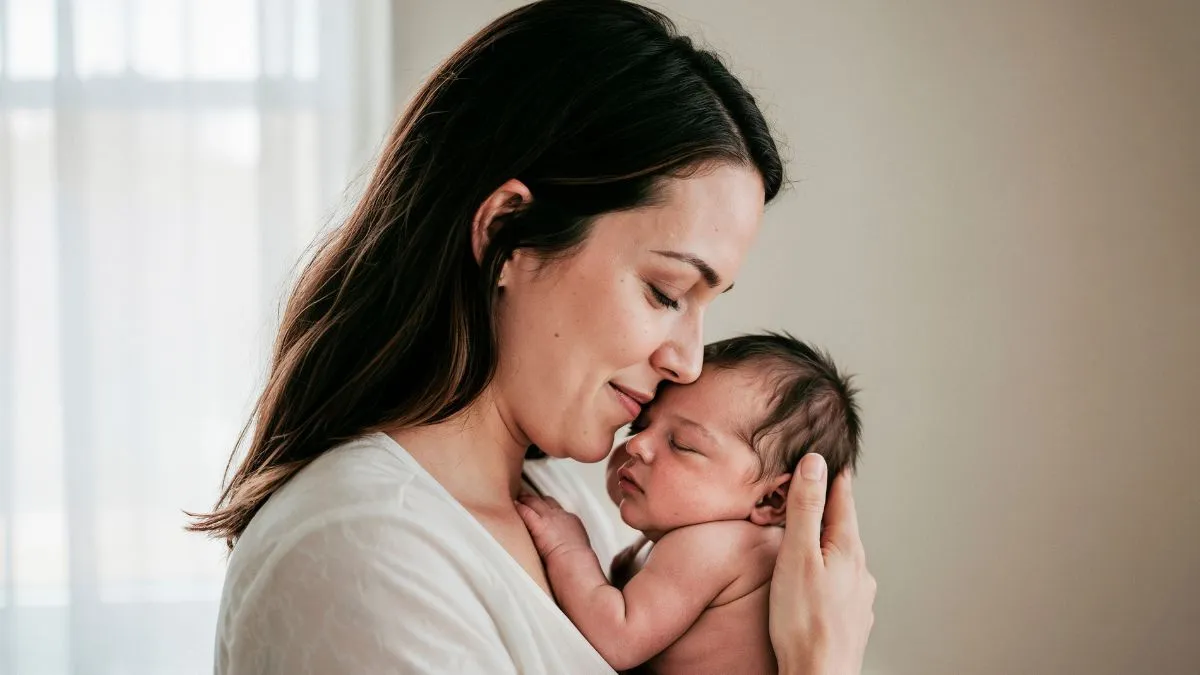
What often gets overlooked is the emotional environment. Dr Vinaya points out that nutrition works best when paired with emotional security. Responsive parenting, consistency and a calm, reassuring presence create conditions where learning and development happen more naturally. When children feel safe, their brains are better able to process, retain and adapt.
There is also a sense of relief in knowing that perfection is not required. No single food, routine or parenting style guarantees outcomes. What matters is steadiness. Everyday choices repeated over time make the difference.
For paediatricians, this shift in parental mindset is encouraging. Not because parents are doing more, but because they are doing things with intention. In the long run, that balance between nourishment, routine and emotional care may be one of the strongest foundations for lifelong health.
Disclaimer: Tips and suggestions mentioned in the article are for general information purposes only and should not be construed as professional medical advice. Always consult your doctor or a dietician before starting any fitness programme or making any changes to your diet.