Coldrif cough syrup row explained: Experts reveal how contamination happens and how to stay safe
A contaminated batch of Coldrif cough syrup has tested positive for diethylene glycol (DEG), a deadly industrial solvent. Doctors explain the dangers, symptoms, and how parents can identify safe medicines for children as authorities expand inspections nationwide.
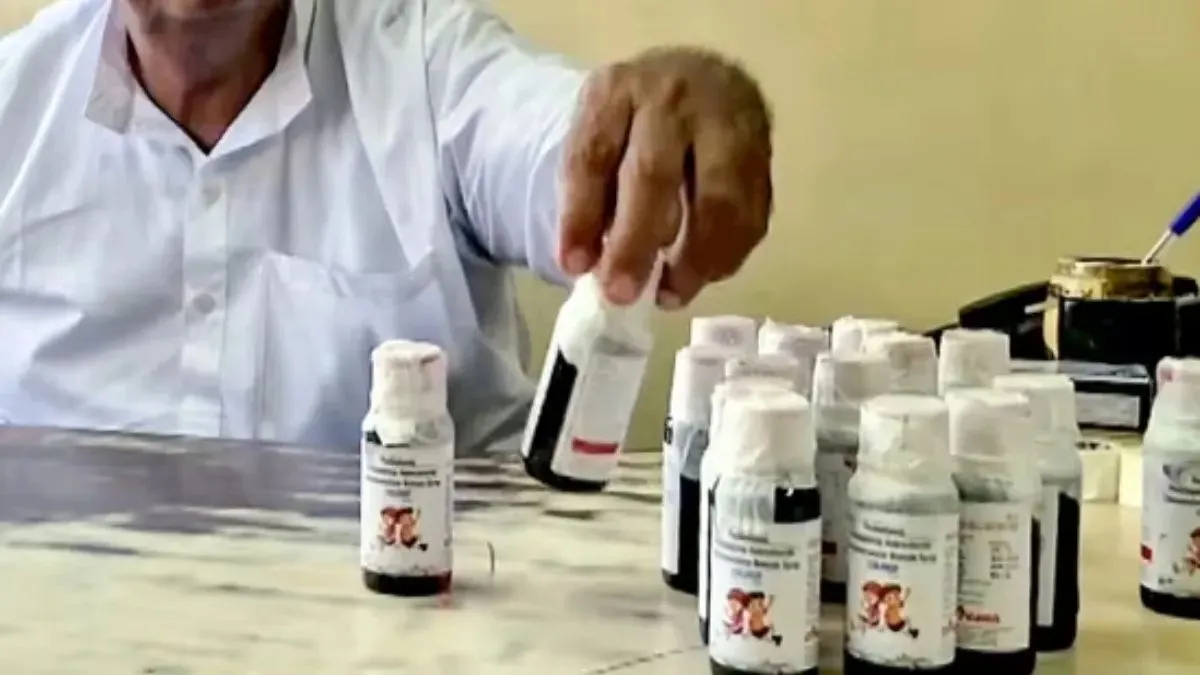
The Ministry of Health and Family Welfare has confirmed that while samples of Coldrif cough syrup collected in Madhya Pradesh tested negative for contamination. A batch manufactured in Tamil Nadu was found to contain diethylene glycol (DEG), a toxic industrial chemical, beyond permissible limits.
The findings have renewed public alarm over drug safety. So far, at least 15 children, mostly under the age of five, have died in the states of Madhya Pradesh and Rajasthan since August 2025. The initial symptoms were mild fever and a cold, but their condition quickly progressed to acute kidney failure.
How the contamination was detected in Coldrif cough syrup
After several child deaths were reported in Madhya Pradesh’s Chhindwara district, the Central Drugs Standard Control Organisation (CDSCO) tested six samples of Coldrif from the region, all of which returned negative for contamination. Parallel testing by the state drug regulator also showed no trace of DEG or ethylene glycol (EG).
However, on the request of the Madhya Pradesh government, the Tamil Nadu Food and Drugs Administration (TN FDA) collected samples from the manufacturer, Sresan Pharma, in Kanchipuram. The October 3 test results told a different story: the syrup contained diethylene glycol above safe limits.
The revelation prompted Madhya Pradesh and Tamil Nadu to immediately ban the product, while the Centre ordered risk-based inspections at 19 pharmaceutical sites across six states to identify systemic lapses. A multidisciplinary probe, involving experts from ICMR, NIV, NEERI, CDSCO and AIIMS Nagpur, is underway to determine whether the contaminated batch reached other markets and to assess any link to child deaths.
What are DEG and EG, and why they are deadly
Diethylene glycol (DEG) and ethylene glycol (EG) are colourless, sweet-tasting industrial chemicals used in antifreeze, brake fluids, and paints. They have no place in human medicine, but can contaminate pharmaceutical excipients such as glycerine or propylene glycol when manufacturers or suppliers cut costs by using cheaper, industrial-grade substitutes.
Jeevan Kasara, Chairman, Steris Healthcare, explains: “Diethylene glycol is poisonous in any amount and should never appear in medicines. Even trace quantities can cause acute kidney failure, liver damage and irreversible neurological injury. Its presence signals catastrophic failure of quality control. There are no safe limits for DEG.”
Once ingested, DEG is metabolised into toxic acids that damage kidney tubules and liver cells. The earliest symptoms, vomiting, abdominal pain, and drowsiness, may be mistaken for mild infection until kidney failure sets in.
Dr Anish Sinha, Consultant and In-Charge - Neonatology at Regency Health Kanpur, share his take on it as well. "When consumed, DEG undergoes metabolism in the liver, producing oxalic acid, a highly toxic compound that forms sharp crystals, which deposit in kidney tubules and rapidly shut down kidney function. Even minimal exposure can result in life-threatening conditions such as acute kidney failure, severe metabolic acidosis, and neurological disturbances. There is no antidote. Early symptoms like nausea, vomiting, abdominal discomfort, and confusion can escalate within hours. By the time urine output decreases, urgent dialysis is often required. Treatment involves supportive care with bicarbonate to correct acidosis, ethanol or fomepizole to inhibit toxic metabolism, and continuous dialysis until the poison clears," said Dr Sinha.
He added, "DEG is never used in legitimate medical formulations because it is inherently unsafe and provides no therapeutic benefit. Pharmaceutical-grade solvents must meet strict safety and purity standards — they should be non-toxic, chemically inert, and metabolically harmless. DEG fails on all these counts. Its presence in medicines usually points to contamination, fraudulent substitution, or a breakdown in quality control processes, often due to unscrupulous suppliers relabeling DEG to mimic safe alternatives. In many cases, poorly equipped testing labs fail to detect the difference due to its similar appearance and taste."
What doctors are warning
Dr Aakashneel Bhattacharya, Consultant – Infectious Diseases, Paras Health, Gurugram, notes that Coldrif is routinely used for cough, throat irritation, and nasal congestion, but contaminated syrups can turn life-saving treatment into poison.
“Diethylene glycol contamination is highly lethal. We’ve seen children develop acute kidney failure, neurological complications, and in some cases, death. These events expose how critical manufacturing vigilance is. Even a few drops of DEG can cause organ failure.”
He stresses that parents must avoid self-medicating children with over-the-counter syrups and instead use safer, evidence-based remedies:
- Saline nasal drops to clear the nasal passages
- Steam inhalation (under supervision) for congestion relief
- Warm fluids like soups or herbal teas to soothe the throat
- Paracetamol (acetaminophen) for fever or discomfort, strictly in doctor-recommended doses
“Most cough and cold infections are viral and self-limiting,” he adds. “Supportive care and hydration work better than cocktails of medicines that can do more harm than good.”
How parents can identify safe vs fake syrups
Dr Mounnish Balaji, Consultant Pediatric Pulmonologist, Ankura Hospital for Women & Child, Pune, emphasises that vigilance starts at home.
“Parents must examine packaging carefully, an intact tamper-evident seal, legible batch number, expiry date, and manufacturer details. Avoid syrups sold without a leaflet, dosing spoon or proper labelling. Unusual colour, smell, or separation into layers means discard immediately.”
He also outlines safe-practice rules:
- Purchase only from licensed pharmacies or credible online platforms
- Avoid heavily discounted or unbranded products
- Prefer single-ingredient, age-appropriate formulations
- Avoid multi-ingredient or sedative-based cough syrups for young children
- Store medicines as per label instructions and note batch numbers for reference
“In my practice, I rarely prescribe cough syrups,” says Dr Balaji. “Most viral coughs subside within a week. Nebulisation or simple supportive measures are safer options.”
What parents should do now
- Check your medicine cabinet and dispose of any Coldrif syrup or unverified cough formulations.
- Report suspected products or adverse reactions to your local drug controller or via the CDSCO grievance portal.
- Keep receipts and batch details; these help regulators trace distribution quickly.
- Consult your paediatrician for any persistent cough or cold instead of buying over-the-counter medicines.
“Medicine meant to heal should never harm,” says Dr Bhattacharya. “The lesson from every contamination tragedy is that complacency kills. Vigilance, both at the factory and at home, saves lives.”
The Coldrif episode is a stark reminder that drug safety is not negotiable. And for parents, it’s a matter of awareness, knowing what goes into your child’s medicine could mean the difference between recovery and tragedy.
Disclaimer: Tips and suggestions mentioned in the article are for general information purposes only and should not be construed as professional medical advice. Always consult your doctor or a dietician before starting any fitness programme or making any changes to your diet.