Do all early breast cancer patients really need chemotherapy? Oncologist with 20 years of experience answers
Chemotherapy saves lives, but for early-stage breast cancer, it may sometimes do more harm than good. An oncologist explains overtreatment risks, quality-of-life impact, and how personalised testing helps patients safely avoid unnecessary chemo.
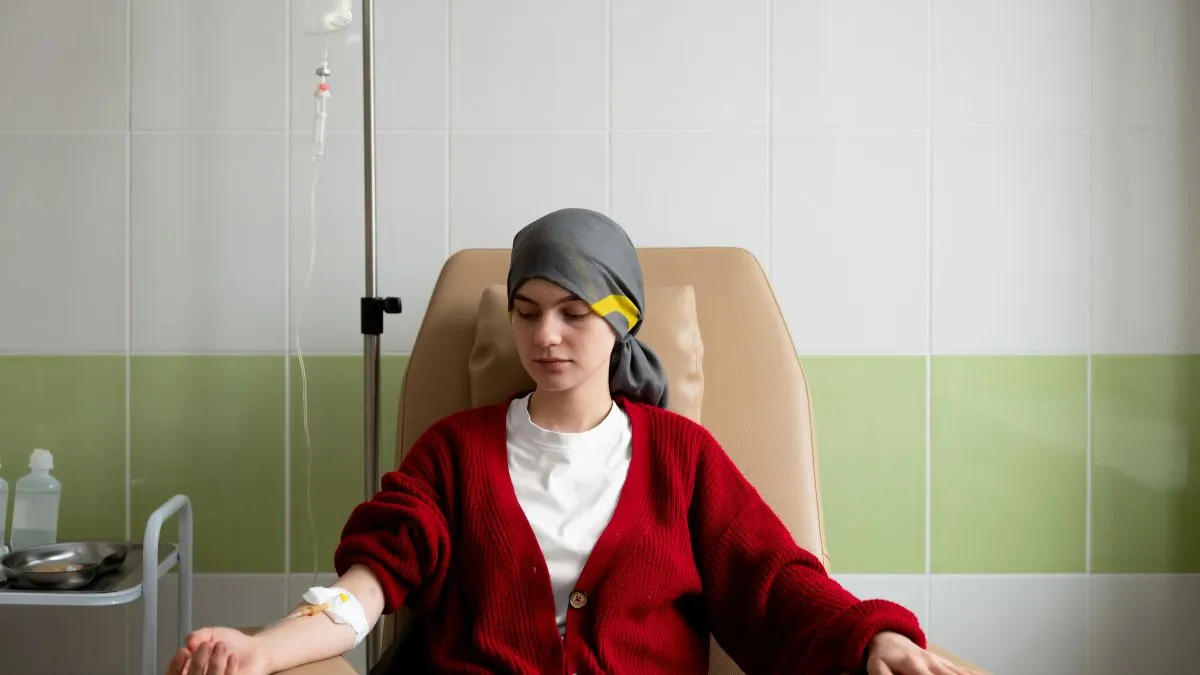
Chemotherapy has long been one of the most powerful weapons against cancer, helping millions improve survival and reduce recurrence. But when it comes to early-stage breast cancer, experts now say that aggressive treatment may not always be necessary and, in some cases, may significantly affect a patient’s quality of life without adding meaningful benefit.
According to Dr P. Satya Dattatreya, Chief Medical Oncologist at Renova Hospitals, advances in cancer science are pushing doctors away from a one-size-fits-all approach.
“Chemotherapy has helped millions of people become cancer-free and has played a major role in improving survival globally,” he says. “However, with early-stage breast cancer, we are now recognising the risk of overtreatment and the long-term burden it can place on patients.”
Why chemotherapy can be especially hard on early-stage patients
One of the biggest concerns surrounding chemotherapy is its impact on normal, healthy cells. Because it does not distinguish between cancerous and non-cancerous cells, patients often experience side effects such as hair loss, nausea, constipation, fatigue, and changes in appearance.
“Chemicals involved in chemotherapy can have a significant impact on the physical and emotional well-being of a patient, which can affect the quality of life.” For patients who have been diagnosed with cancer early, the effects of chemotherapy can be overwhelming, especially if the benefits of the treatment are limited.
Not all early-stage breast cancers behave the same
Early-stage breast cancer is usually confined to the breast or nearby lymph nodes. However, Dr Dattatreya stresses that similar-looking tumours can behave very differently.
“Some cancers are aggressive and have a higher chance of recurrence, while others grow slowly and respond extremely well to hormone therapy alone,” he says.
Hormone receptor–positive and HER2-positive cancers, for instance, often respond better to targeted or hormonal treatments, with higher cure rates.
The hidden emotional and financial cost of chemotherapy
“What is often overlooked are the social and financial consequences,” Dr Dattatreya notes. Many patients are forced to pause or stop working, while treatment costs and loss of income add to emotional distress and slow recovery.
How personalised treatment is changing breast cancer care
Over the past decade, molecular and genomic testing has transformed how oncologists approach early-stage breast cancer. These tests help doctors predict the risk of recurrence and determine whether chemotherapy will actually benefit a patient.
“For many patients with hormone receptor–positive, HER2-negative early-stage breast cancer, molecular tests can accurately identify those who can safely avoid chemotherapy and do just as well with hormone therapy alone,” says Dr Dattatreya.
Tests such as CanAssist Breast, validated on Indian patients, and Oncotype DX, widely used internationally, are now helping doctors tailor treatment with far greater precision.
Avoiding overtreatment without compromising survival
Dr Dattatreya is clear that chemotherapy remains essential and life-saving for many breast cancer patients. But for selected early-stage cases, especially those at low risk, de-escalating treatment can protect long-term health without reducing survival. “Avoiding chemotherapy does not mean compromising outcomes,” he says. “In fact, patients can maintain excellent survival rates while avoiding unnecessary side effects, preserving fertility, organ function, and overall quality of life.”
As personalised cancer care gains wider acceptance, the focus is shifting from aggressive treatment to smarter, targeted therapy that treats the disease while safeguarding the person living with it.
Disclaimer: Tips and suggestions mentioned in the article are for general information purposes only and should not be construed as professional medical advice. Always consult your doctor or a dietician before starting any fitness programme or making any changes to your diet
Also read: Cancers named after people, not body parts and the stories behind them