Can eating watermelon really cause death? Experts separate facts from viral rumours
Recent reports linking watermelon consumption to deaths have sparked panic online, but doctors say the fruit itself is not dangerous. Experts explain that contamination, poor storage and spoiled fruit may lead to food poisoning symptoms.
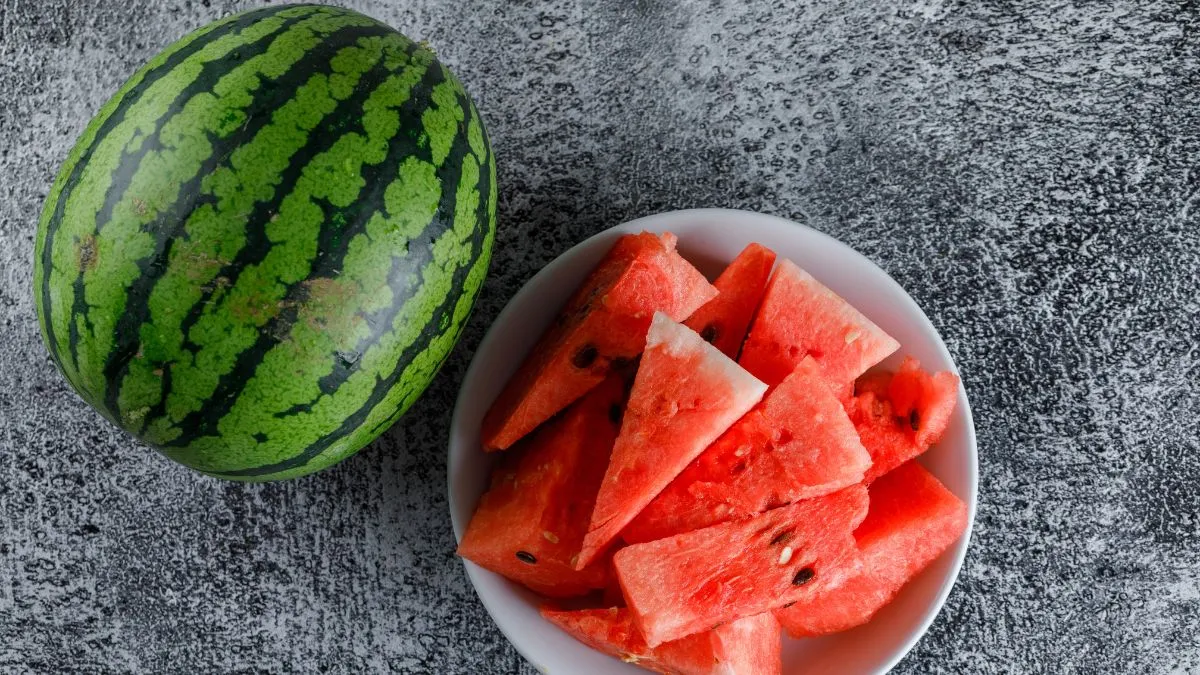
Recent reports of deaths allegedly linked to watermelon consumption have triggered panic and confusion across the country, especially after incidents reported from Mumbai and Chhattisgarh started circulating widely online. Viral messages and videos have further fuelled fears, leaving many people wondering whether eating watermelon during summer is actually dangerous.
But doctors say the fear surrounding watermelon itself is largely misleading.
According to Dr. Chhya Vaja, Internal Medicine Expert at Apollo Spectra Mumbai, watermelon is generally safe to eat, and there is no scientific evidence suggesting that the fruit itself can directly cause death.
What happened in Mumbai and Chhattisgarh?
Concerns around watermelon consumption grew after multiple deaths reported from Mumbai and Chhattisgarh were allegedly linked to the fruit.
In Mumbai, four members of a family reportedly died within hours after consuming watermelon, while in Chhattisgarh, a 15-year-old boy also reportedly died after allegedly eating the fruit. The incidents quickly went viral online and triggered panic on social media, with many users questioning whether watermelon had become unsafe to consume during summer.
However, doctors say investigations are still important before directly blaming the fruit itself. Medical experts stress that contamination, food poisoning, improper storage or unhygienic handling are more likely concerns than watermelon naturally becoming “toxic”.
Why watermelon is being linked to illness
Doctors explain that the real concern is not the fruit itself, but contamination, improper storage and unhygienic handling.
During summer, watermelon is widely sold at roadside stalls and is often kept exposed to heat for long hours after being cut. Experts say bacteria such as E. coli and Salmonella can contaminate the fruit surface and enter the edible portion if proper hygiene is not maintained.
Dr. Vaja says that if cut watermelon is left exposed in hot weather, bacterial growth can happen rapidly, increasing the risk of food poisoning.
This may lead to symptoms such as:
- Vomiting
- Diarrhoea
- Abdominal pain
- Acidity
- Stomach cramps
Viral foaming watermelon videos have added to the panic
Concerns also intensified after Youtuber Gaurav Taneja posted a video that showed watermelons appearing to ooze foam when cut open.
According to Dr Basavaraj S Kumbar, Consultant – Internal Medicine at Aster Whitefield Hospital, such foaming is usually linked to internal fermentation and spoilage rather than “poison” or chemical injection.
The doctor explains that overripe watermelons or fruits with tiny invisible cracks may allow bacteria or yeast to grow inside, leading to fermentation that produces gases and frothy liquid.
Experts warn that spoiled fruit showing unusual foam, smell or texture should never be consumed.
Doctors say there is no need to panic
Health experts stress that watermelon remains one of the most hydrating fruits during Indian summers and can be safely consumed if basic precautions are followed.
Dr. Vaja says people should focus on food hygiene instead of believing viral rumours or misinformation online.
Important safety tips while eating watermelon
Doctors recommend:
- Washing the outer surface properly before cutting
- Avoiding pre-cut watermelon sold uncovered outdoors
- Eating freshly cut pieces instead of stored fruit
- Using clean knives and chopping boards
- Storing cut watermelon in refrigeration
Experts also advise buying fruits from trusted vendors and checking for visible damage before purchase.
When should you avoid eating watermelon?
Doctors say you should discard watermelon immediately if it:
- Smells sour or unusual
- Releases foam or gas
- Feels slimy
- Has an odd texture
- Appears excessively mushy
Experts say visible abnormalities are warning signs of spoilage and should not be ignored.