Doctor shares the best vitamins for managing hypothyroidism symptoms
Doctors recommend medicines and vitamins to treat the symptoms of hypothyroidism. Read on to know the best vitamins for managing hypothyroidism symptoms.
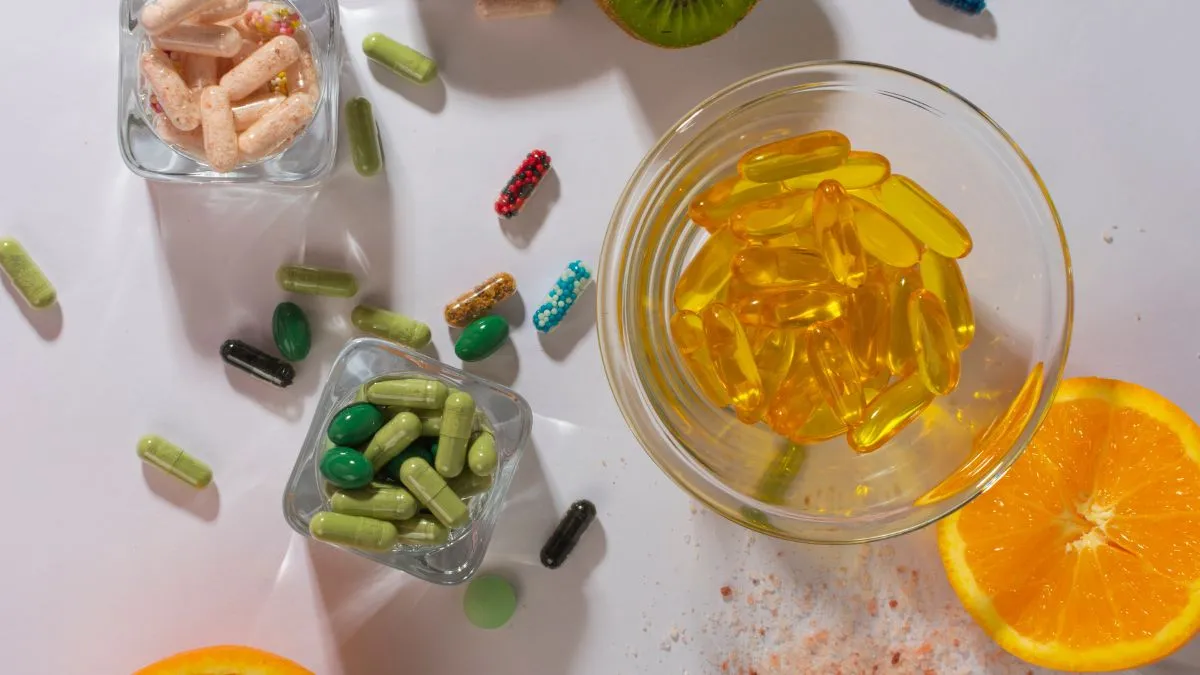
Hypothyroidism is a condition wherein the thyroid gland doesn’t produce enough thyroid hormone. With hypothyroidism, individuals develop symptoms like tiredness, unexplained weight gain, feeling cold all the time, and depression. Hence, they are recommended medicines and vitamins to treat these symptoms. And they are recommended vitamin supplements.
Dr. Uday Phadke, Director - Department of Endocrinology & Diabetes at Sahyadri Super Speciality Hospital, Deccan Gymkhana, Pune said, “Generally, levothyroxine helps patients in need, but certain vitamins and minerals can also aid in balancing hormones, reducing inflammation, and increasing overall wellness.”
Vitamins for Hypothyroid Patients
Selenium is one of the most crucial nutrients because it lowers thyroid antibodies and aids in the conversion of inactive T4 to active T3.
Thyroid balance can be upset by consuming too little or too much iodine, which is necessary for the production of thyroid hormones.
While vitamin B12 deficiency is common and may increase neurological problems and fatigue, vitamin D, which supports immune function, is frequently found to be low in people with autoimmune hypothyroidism.
Zinc and iron help in hormone production and metabolism and magnesium supports conversion of hormones and muscle function.
Vitamin A plays a regulatory role in hormone signalling and iodine absorption, though it should be taken cautiously in supplement form.
Reference table of the most beneficial vitamins and minerals for people with hypothyroidism.
| Nutrients | Why It’s Important for Hypothyroidism | Best Sources |
| Selenium | Helps convert T4 to T3 and lowers inflammation | Nuts, eggs, fish |
| Iodine | Needed to produce thyroid hormones | Iodized salt, seafood, dairy |
| Vitamin D | Supports immune health and lowers thyroid antibodies | Sunlight, fortified foods, supplements |
| Vitamin B12 | Boosts energy and nerve function | Milk, eggs, meat, B12 supplements |
| Zinc | Assists hormone production and immune function | Pumpkin seeds, lentils, whole grains |
| Vitamin A | Helps hormone function and iodine absorption | Carrots, leafy greens, sweet potatoes |
| Iron | Needed to produce thyroid hormones | Spinach, meat, beans |
| Magnesium | Helps with hormone conversion | Nuts, seeds, whole grains, dark chocolate |
Supplemetation with caution
Incorporating these nutrients through a balanced diet is often the first step, but supplements may be necessary in cases of deficiency. However, self-supplementation without appropriate testing can be dangerous, particularly when it comes to minerals like iodine or fat-soluble vitamins like A.
ALSO READ: One in five Indians over 45 had diabetes in 2019, says Lancet study