Can city smog make knee pain worse? What an orthopaedic surgeon explains
Air pollution is known to affect lungs and heart health, but experts say it may also aggravate knee pain by increasing inflammation in weight-bearing joints.
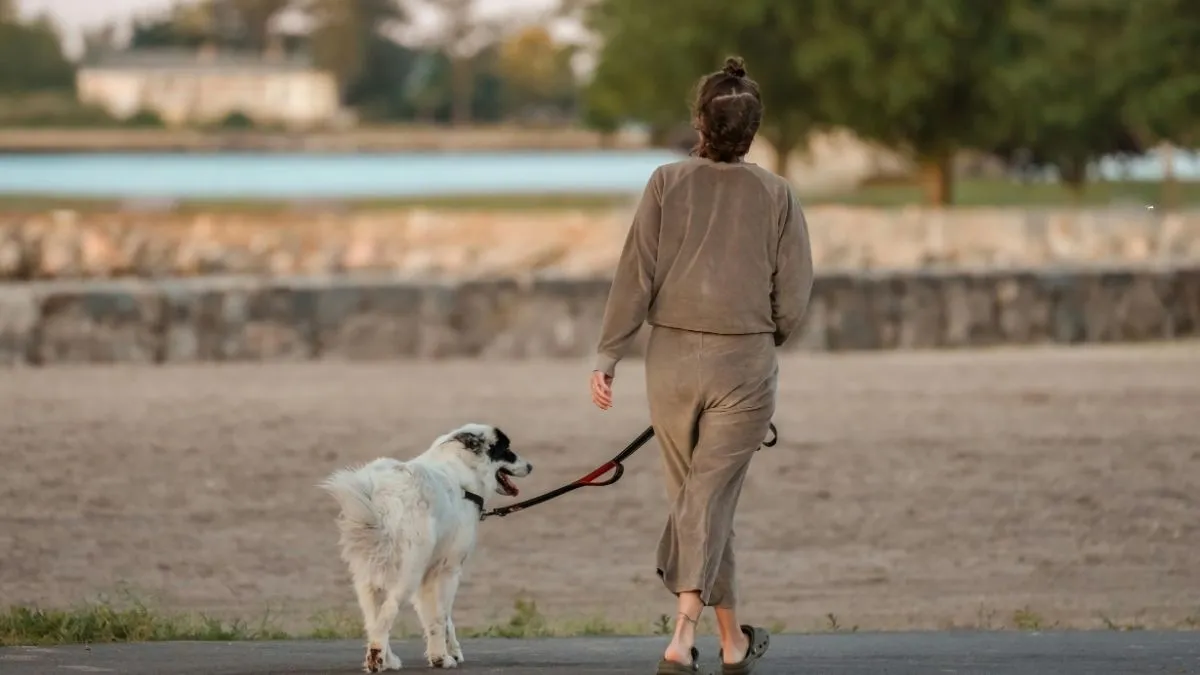
For many urban Indians, the morning walk is sacred. Parks fill up at dawn, neighbourhood lanes come alive, and fitness trackers start buzzing before the city wakes up. Walking is widely considered one of the safest exercises for joint health. But in cities where air quality stays poor for months at a stretch, a new concern is gaining ground: could repeated exposure to smog during these walks be quietly aggravating knee pain?
“People often associate air pollution only with lungs and heart health,” says Dr Simon Thomas, Director and Head of Robotic Joint Replacement & Reconstruction at Max Hospital. “What’s less understood is that polluted air can trigger inflammation across the body, including in weight-bearing joints like the knees.”
How air pollution affects the body beyond the lungs
Fine particulate matter, especially PM2.5, is small enough to enter the bloodstream after being inhaled. Once inside, it sets off systemic inflammation and oxidative stress. These inflammatory signals don’t stay confined to the lungs. They circulate through muscles, cartilage, and joint linings. Recent population studies support this concern. Long-term exposure to high levels of air pollution has been linked to a higher likelihood of arthritis, even after accounting for age, lifestyle, and existing health conditions.
“Inflammation is the common thread,” explains Dr Thomas. “When the body is already dealing with a constant inflammatory load from pollution, joints that are under daily stress are more likely to become painful and stiff.”
Why do the knees feel it first
The knee is one of the body’s hardest-working joints. Every step places mechanical stress on cartilage, ligaments, and surrounding muscles. Under normal circumstances, the body repairs this daily wear efficiently. But chronic inflammation can blunt that recovery process. “Pollution doesn’t damage the knee overnight,” Dr Thomas clarifies. “What it does is lower the pain threshold. Activities that were once comfortable may start to hurt sooner, especially in people with early osteoarthritis or previous knee injuries.”
This may explain why some people notice their knee pain worsening during periods of poor air quality, even without any change in their exercise routine.
The Indian air quality reality
Air quality is a continued problem in Indian cities. What is particularly alarming is that during the winter season, PM2.5 levels are known to rise to unhealthy levels in many cities in the very early morning hours when most people take their walks. Cities such as Delhi, Ahmedabad, and Lucknow often record levels of air pollution several times above the World Health Organization's safe levels. Vehicle emissions, industrial output, crop residue burning, and weather conditions that trap pollutants close to the ground all contribute to this toxic mix.
“Early mornings are not always the cleanest time to be outdoors, contrary to popular belief,” says Dr Thomas. “In many cities, pollution actually peaks around dawn.”
Should you stop your morning walks?
The short answer is no. Walking can be one of the best kinds of exercise that can be done without putting too much stress on joints. The aim here is not to stop exercising, but to exercise smart. When air quality is poor on any given day, consider moving your walk schedule to late afternoon or early evening when air pollutants are well distributed. Alternatively, you may consider indoor activities such as walking tracks, gyms, or even climbing stairs at home. The use of properly fitting air masks may also be very useful if you want to continue your outdoor walk.
Looking after your knees in polluted cities
For individuals suffering from knee pain or with early stages of osteoarthritis, maintaining a proper level of inflammation becomes a pressing requirement. Drinking lots of water, maintaining a healthy weight, a balanced diet with a high intake of fruits and vegetables, and strengthening the tissues around the knee area can be very effective in relieving pressure on the affected joint.
“Repeated flare-ups of knee pain during high pollution days shouldn’t be ignored,” Dr Thomas warns. “It’s often the body signalling an underlying inflammatory response.” Tracking daily air quality alerts and adjusting outdoor activity accordingly can go a long way in protecting both joint and overall health.
Disclaimer: Tips and suggestions mentioned in the article are for general information purposes only and should not be construed as professional medical advice. Always consult your doctor or a dietician before starting any fitness programme or making any changes to your diet.