AIIMS Delhi to install 'Sugar and Oil boards' in canteens as part of Health Ministry’s awareness drive
AIIMS Delhi will soon install 'Sugar and Oil' boards in its canteens and cafeterias as part of the Union Health Ministry's initiative to promote healthier eating and curb rising obesity. The boards will display information on the sugar, oil, and calorie content of food items served.
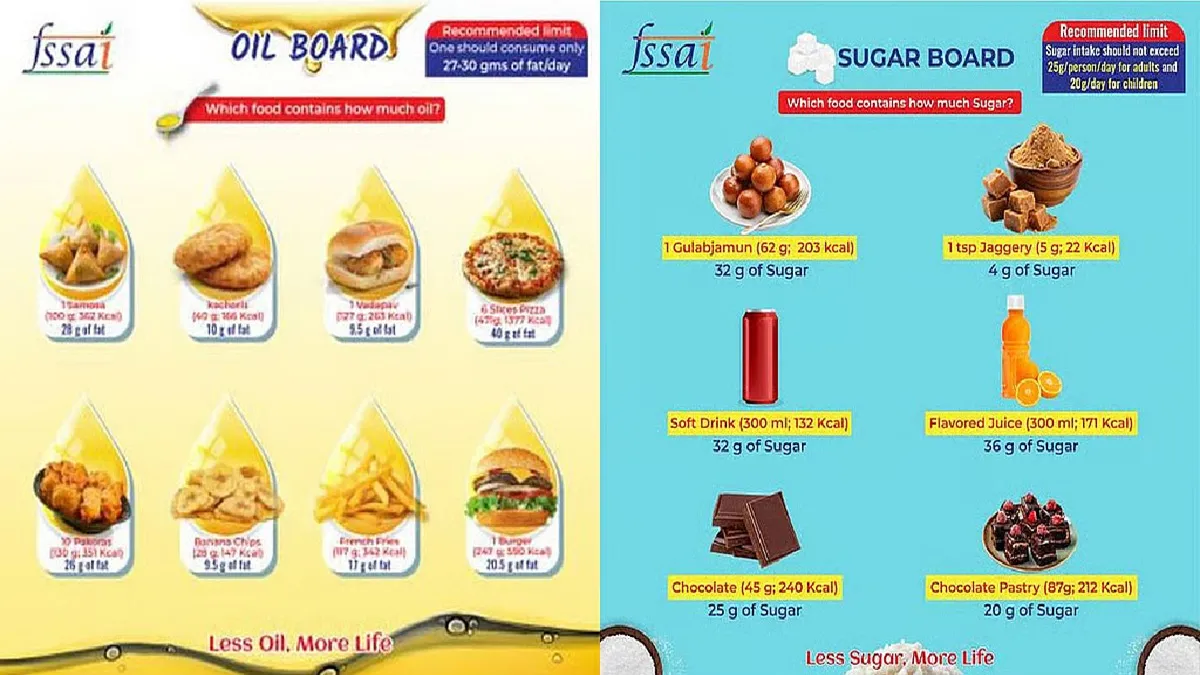
In line with the Health Ministry’s new initiative to promote healthier eating habits and combat rising obesity rates, the All India Institute of Medical Sciences (AIIMS) Delhi will soon install 'Sugar and Oil' information boards in its canteens and cafeterias. The boards will display key nutritional details such as sugar, oil, and calorie content in the food being served.
Speaking to the media, Dr Rima Dada, Professor at AIIMS Delhi and official spokesperson, said the ministry’s move is timely and much needed. “This is a very welcome initiative. Obesity is rapidly increasing, not just among adults but also in children. As a result, diseases like diabetes and high blood pressure, which were earlier seen mostly in older people, are now affecting children too,” she said.
She explained that these boards will display key nutritional data—such as sugar, oil, and calorie content—for food being served, enabling patients, staff, and visitors to make informed dietary choices. AIIMS Director Dr M Srinivas had earlier pushed for healthier food options and nutritional transparency in hospital canteens, she noted. The initiative aims to curb lifestyle-related diseases and encourage a shift toward healthier eating within medical institutions.
CBSE mandates oil boards in schools
In a parallel move, CBSE has issued a circular to all its affiliated schools requiring them to establish ‘oil boards’ on campus. These boards aim to visually educate students about the health risks associated with excessive oil consumption, in a bid to address childhood obesity from an early age.
Quoting recent data, the CBSE circular noted: “As per NFHS-5 (2019–21), over one in five adults in urban India are overweight or obese.” The Lancet Global Burden of Disease (GBD) 2021 obesity forecasting study, published in 2025, further projects that the number of overweight and obese adults in India will rise from 18 crore in 2021 to a staggering 44.9 crore by 2050, making India the country with the second-highest global obesity burden.
A growing crisis, a nationwide response
CBSE’s directive also highlighted how poor dietary habits and reduced physical activity are primary contributors to childhood obesity. These latest measures follow the Union Health Ministry’s June proposal urging government departments, offices, and autonomous bodies to prominently display oil and sugar content in common food items such as pizzas, burgers, samosas, vada pav, and kachoris.
By bringing together top medical institutions, educational boards, and government departments, the initiative represents a comprehensive approach to raising public awareness and promoting healthier lifestyles across age groups and sectors.
(With inputs from agency)