Is leprosy contagious? Common myths busted on World Leprosy Day
Know the top 10 myths and facts about leprosy, its symptoms, treatment, and prevention. Bust common misconceptions and spread awareness.
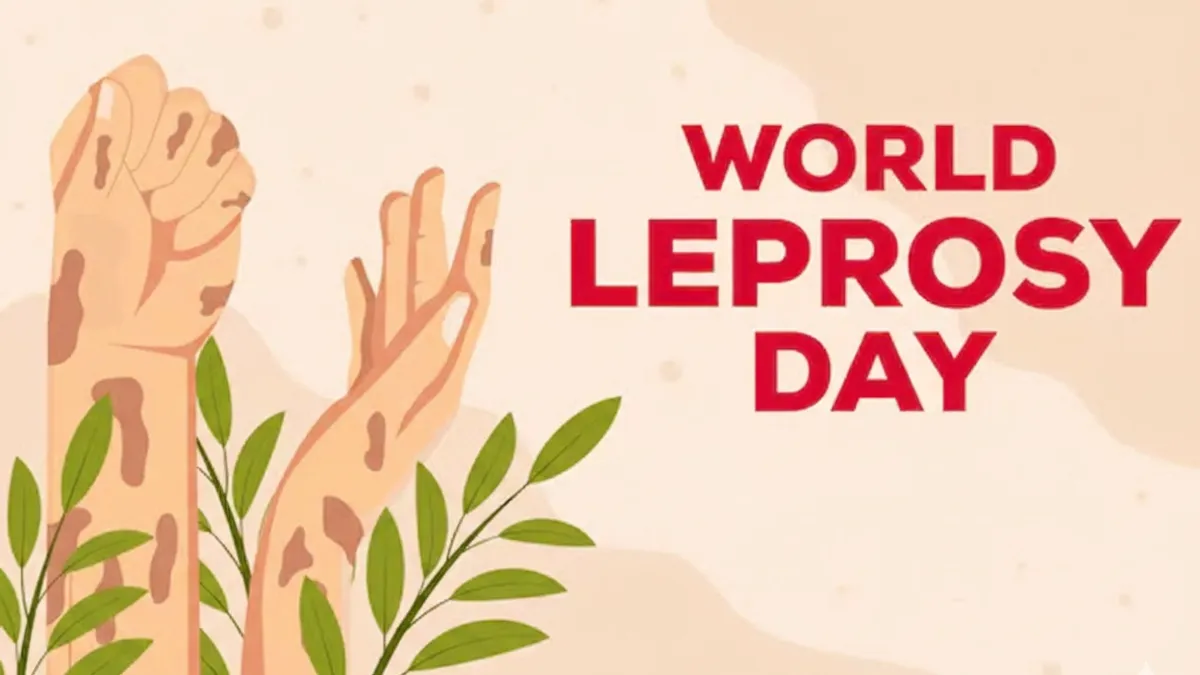
Leprosy remains one of the oldest known infections to humankind, yet it continues to affect communities even today. India carries the highest burden of leprosy worldwide, underscoring the urgent need for awareness and action.
Importantly, leprosy is completely curable—just like any other infection—when it is diagnosed and treated early.
According to Dr Shitij Goel, Professor & Head, Department of Dermatology, School of Medical Sciences and Research, Sharda Hospital, Sharda University, Timely medical intervention not only prevents complications but also helps eliminate stigma associated with the disease.
Leprosy is a highly contagious disease
Fact: Transmission occurs only after long-term, close contact with an untreated patient. Casual social contact does not spread leprosy.
Leprosy is a completely non-curable bacterial infection
Fact: World Health Organisation–recommended multi-drug therapy (MDT) cures leprosy and is provided free of cost under national health programmes. Leprosy is Curable, real challenge is Stigma.
Touching, shaking hands, or sharing meals spreads leprosy
Fact: There is no risk of transmission through routine human interaction, which makes social exclusion medically unjustified.
Leprosy causes body parts to fall off
Fact: Untreated leprosy can damage nerves, leading to loss of sensation. Injuries may go unnoticed and worsen over time, creating the false belief of “falling off” body parts.
Leprosy is hereditary, a curse, or a punishment
Fact: It is caused by Mycobacterium leprae, a known bacterium, and has no link to morality, past deeds, or family lineage.
Leprosy patients need isolation
Fact: After starting treatment, a person with leprosy quickly becomes non-infectious and can safely live with family and participate fully in society.
Deformities are inevitable
Fact: Early diagnosis and timely treatment prevent nerve damage and disability in the vast majority of cases.
Leprosy only affects certain groups of people
Fact: It occurs across all ages, genders, and socioeconomic groups. No community is immune.
People affected by leprosy cannot lead normal, productive lives
Fact: With treatment, individuals can study, work, marry, and contribute to society like anyone else.
Leprosy is a disease of the past.
Fact: Leprosy still exists. Awareness, early detection, and community acceptance are key to ending both the disease and the stigma associated with it.
We must aim for the complete elimination of leprosy, achievable only through sustained efforts, public awareness, and the active involvement of society at large. Together, we can ensure that leprosy becomes a disease of the past.