- News
- Explainers
- Tehrik-i-Taliban: The bone of contention between Pakistan and Afghanistan | Explained
Tehrik-i-Taliban: The bone of contention between Pakistan and Afghanistan | Explained
The conflict between Pakistan and Afghanistan is not something new. Pakistan has accused Afghanistan of harbouring the TTP or the Pakistani Taliban on its soil, a group that shares the ideology of Afghan Taliban.
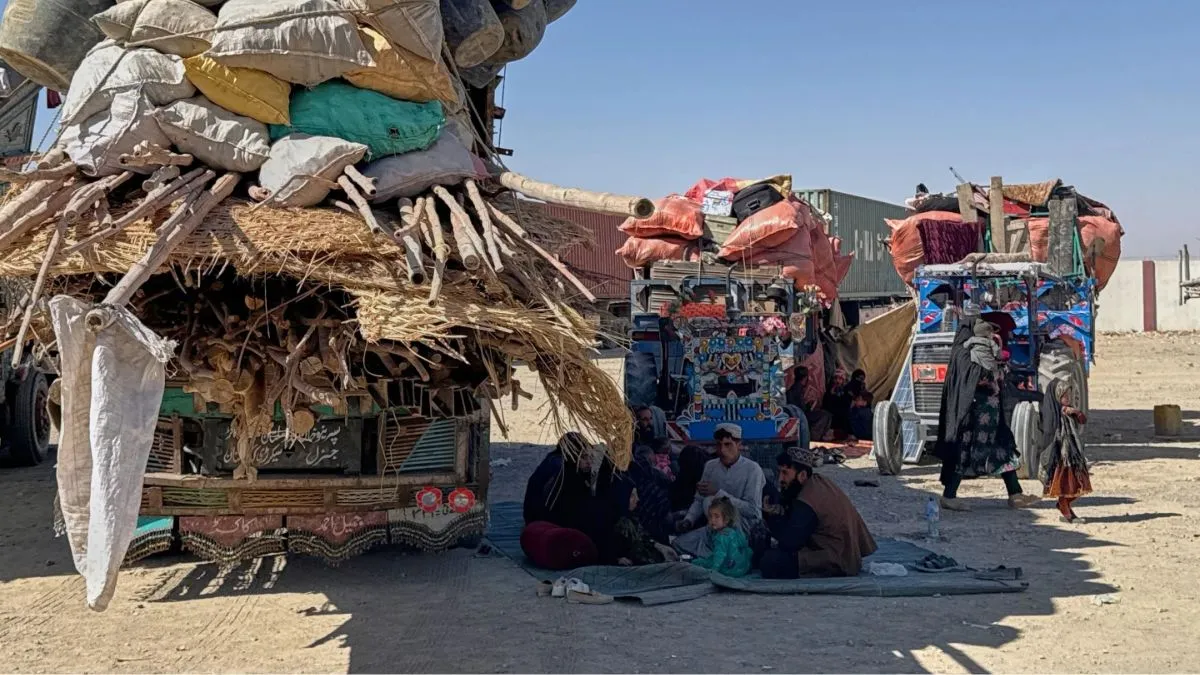
Tensions escalated between Pakistan and Afghanistan this week after Pakistan conducted airstrikes in Kabul, targeting Tehrik-i-Taliban Pakistan (TTP) hideouts. The airstrikes drew sharp reactions from the Taliban government in Afghanistan, which responded by conducting strikes on multiple Pakistani army posts - Angoor Adda, Bajaur, Kurram, Dir, and Chitral in Khyber Pakhtunkhwa - along the Durand Line, killing 15 of their soldiers.
"If the opposing side again violates Afghanistan's territorial integrity, our armed forces are fully prepared to defend the nation's borders and will deliver a strong response," Afghanistan's defence ministry said in a statement.
Pakistan, however, criticised Taliban's actions and called them 'unprovoked'. In a statement, Pakistan's Interior Minister Mohsin Naqvi also accused Taliban of firing at civilians, adding that the country's forces will respond to Afghanistan with "stones for bricks".
"Firing by Afghan forces on the civilian population is a blatant violation of international laws. Pakistan's brave forces have given a prompt and effective response that no provocation will be tolerated," Naqvi said.
TTP: The bone of contention
The conflict between Pakistan and Afghanistan is not something new, and the two sides have been at loggerheads for quite sometime. Pakistan has accused Afghanistan of harbouring the TTP or the Pakistani Taliban on its soil, a group that shares the ideology of Afghan Taliban. Pakistan has accused the TTP of conducting multiple terror attacks on it that has claimed the lives of many civilians and military officials.
As per Pakistan, the Afghan Taliban supports the TTP and allows it to carry out terror attacks from its soil. According to a report by Armed Conflict Location & Event Data (ACLED), a US-based non-profit organisation (NGO), the TTP has conducted more than 600 attacks on Pakistani forces in 2024.
TTP: A look at its history and why it is up against Pak
A designated terror organisation, TTP has been active since the 2000s and aims to overthrow the Pakistan government. Islamabad also refers TTP as 'Fitna Al Khwarij'. The TTP, formed by Baitullah Mehsud, mostly operates in Pakistan's Khyber Pakhtunkhwa. According to a report by US Department of Defense, the group currently has militants somewhere between 3,000 and 4,000.
At present, Noor Wali Mehsud is leading the group.
TTP, which has pledged its allegiance to the Afghan Taliban, wants a complete Sharia in Pakistan. It is also against Pakistan's alliance with the US, considers it as a 'betrayal' to Muslims. Pakistan has conducted multiple strikes in Swat, and North and South Waziristan to flush out the TTP militants, but the group has claimed that these have displaced the population there.
However, the Pakistani government has said that it will not tolerate the TTP's attacks and will also take action against those backing it, taking a veiled dig at Afghanistan. "We will no longer tolerate this. United, we must respond to those facilitating them, whether the hideouts are on our soil or Afghan soil," Pakistan's Defence Minister Khawaja Muhammad Asif told its National Assembly last week.
Also Read - 15 Pakistani soldiers killed as Taliban launches massive strike along Durand Line