JEE Main (Day 4) Evening Shift analysis 2026: 'Well-balanced' paper, good presence of NCERT-based questions
JEE Main 2026 Day 4 evening shift drew positive feedback from students and teachers, who labelled the paper well-balanced with strong NCERT presence. Physics and Chemistry were easy, and Mathematics was easy to moderate.
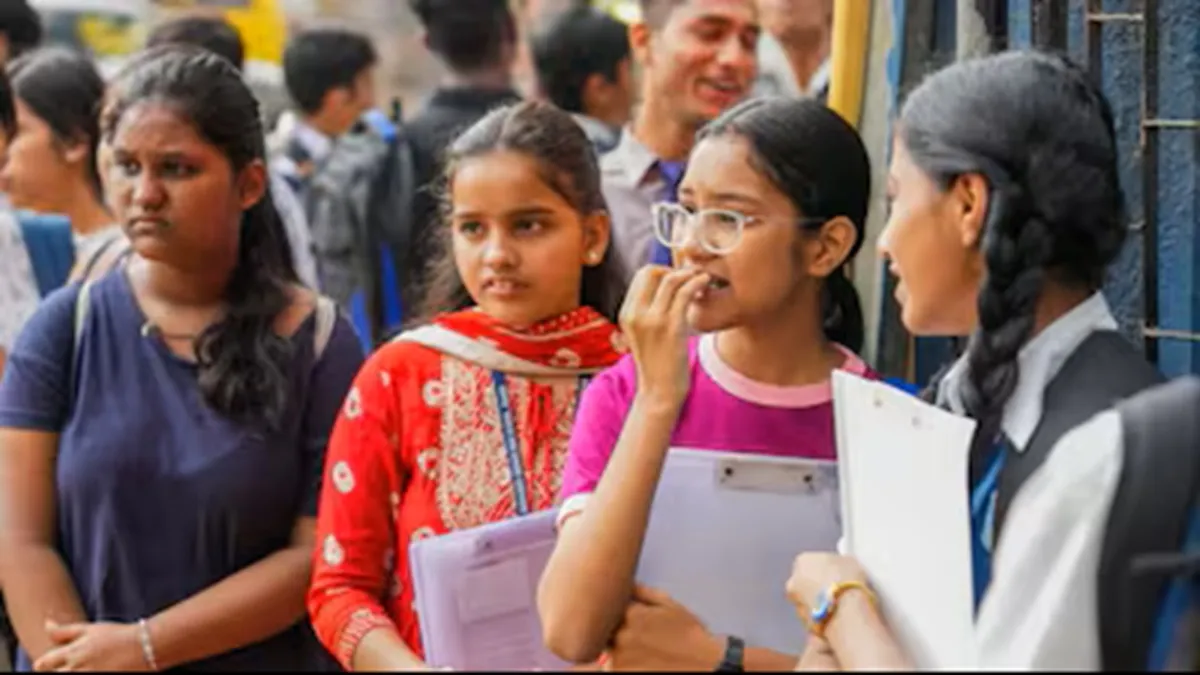
The Joint Entrance Examination (JEE Main 2026) held today in the evening shift was analysed as "well-balanced", the paper has a good number of NCERT-based questions, as per students and teachers. According to Ajay Sharma, National Academic Director, Engineering, Aakash Educational Services Limited, "the paper was of easy to moderate difficulty overall. Physics and Chemistry were easy, while Mathematics ranged between easy and moderate. The question paper reflected a well-balanced coverage of the syllabus, with a noticeable presence of NCERT-based questions."
JEE Main 2026 April 6 (Evening shift) section-wise analysis
Physics
The Physics section was easy. Questions were drawn from most chapters, with greater emphasis on Mechanics; however, Fluid Mechanics was not included. Electromagnetism was covered, with questions from Electric Charges and Capacitors, while Magnetism had comparatively lower weightage. EMI had some presence, whereas AC was minimally represented. A few questions were asked about Ray Optics and Wave Optics. Thermodynamics and Modern Physics were also included. Some questions were statement-based, and a few appeared slightly ambiguous.
Chemistry
The Chemistry section was easy. Questions were distributed fairly evenly across Organic, Inorganic, and Physical Chemistry, with slightly fewer from Physical Chemistry. Inorganic Chemistry had prominent weightage and a good level of questions. Some questions were derived from the laboratory, and many were directly based on the NCERT. While most were straightforward, a few involved calculations, adding a slight level of challenge.
Mathematics
The Mathematics section was easy to moderate. Questions were well spread across chapters, with a slightly higher proportion from Class 12 topics. Greater emphasis was seen on Vectors, 3D Geometry, and permutations and combinations. Other chapters had average representation, and Calculus carried moderate weightage. Questions were generally not lengthy, though a few required calculations.