Union Budget 2026: Small business owners seek GST relief amid rising costs
Union Budget 2026: The Budget Session will commence on January 28 and continue till April 2, with one break. The Union Budget 2026-27 will be presented on February 1.
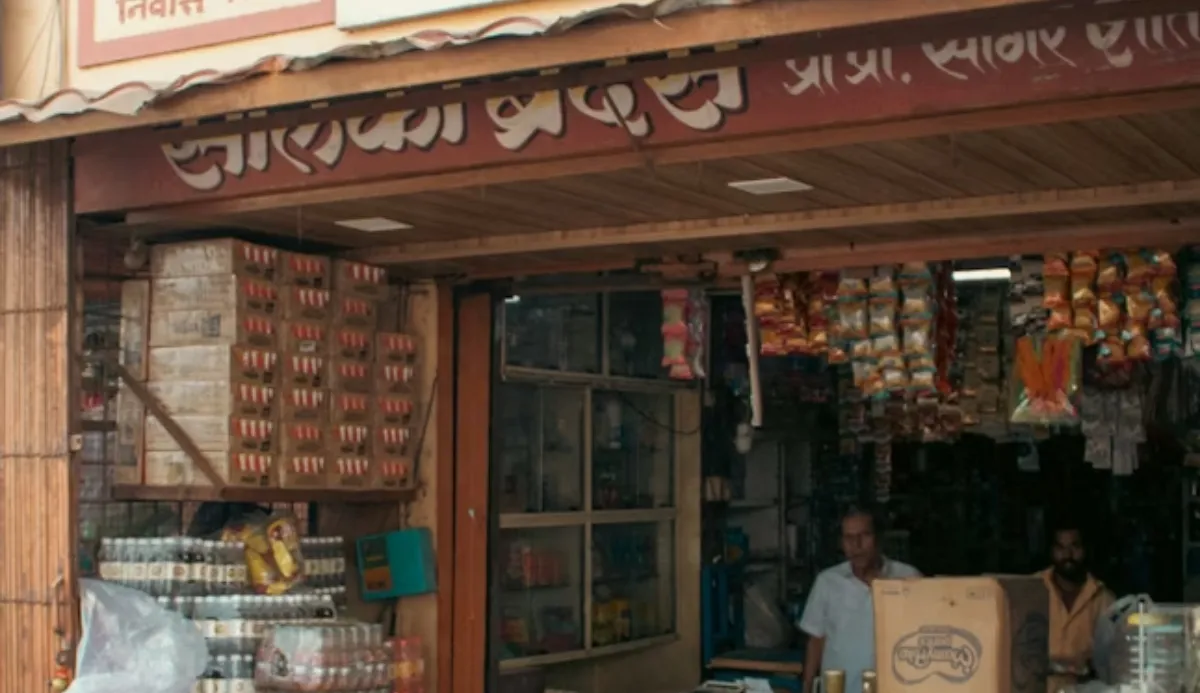
Small business owners have shared their expectations from the upcoming Union Budget, pointing to mounting pressures from rising taxes and higher procurement costs. Seasonal vendors and small traders said heavy GST and other indirect taxes on everyday goods have made it increasingly difficult to sustain their businesses while keeping prices affordable for customers.
The traders added that frequent price hikes in essential commodities have squeezed profit margins and hurt daily sales, as purchasing stock has become costlier. The traders have urged the Centre to consider reducing or waiving GST on basic food and dairy items such as milk, sugar and other daily-use products to ease the burden on small retailers as well as consumers.
Impact of existing GST rates on small traders
Krishna Chaitanya, a retailer dealing in electronics and essential household items, flagged concerns over the impact of existing GST rates on small traders and common consumers. He said the current tax structure on essential goods is posing serious challenges at the grassroots level, hurting purchasing power and dampening overall market sentiment.
"High GST rates have reduced consumers' ability to spend, leading to a noticeable decline in demand. This fall in consumption has directly impacted retail businesses, particularly small traders who depend on steady daily sales." He noted that while the Central Government has introduced several corrective and precautionary measures related to GST, the ground reality for small retailers remains difficult," Chaitanya explained.
According to him, sluggish market activity is largely driven by the heavy tax burden on essential household and electronic goods. He stressed that small retailers are struggling to sustain their businesses as customers cut back on purchases due to rising prices.
To revive trade and stimulate demand, Chaitanya urged the Government to reduce the GST rate on essential household and electronic items to 12 per cent. He said such a move would provide much-needed relief to consumers, boost sales for small businesses, and help revive market activity.
He added that lowering GST on essential goods would benefit millions of small traders and middle-class families across the country by encouraging higher consumption. Chaitanya appealed to the Government to carefully consider the issue and take timely steps in the interest of trade, economic activity, and the general public.
Budget Session from January 28
Meanwhile, Union Parliamentary Affairs Minister Kiran Rijiju will convene an all-party meeting of floor leaders of both Houses of Parliament on January 27, ahead of the upcoming Budget Session. As per sources, the meeting is scheduled to be held in the main Committee Room of Parliament.
The government is expected to discuss important national issues and legislative business likely to come before the Houses during the upcoming session. The Budget Session will commence on January 28 and continue till April 2, with one break.
The first phase is scheduled from January 28 to February 13, while the second phase will run from March 9 to April 2. A total of 30 sittings are expected during the session. The Union Budget 2026-27 will be presented on February 1.
Also Read: Budget 2026: A make-or-break for housing sector - Here's what real estate expects
Also Read: Budget 2026: Will infra spending for key projects be increased? Here's what Industry leaders demand