
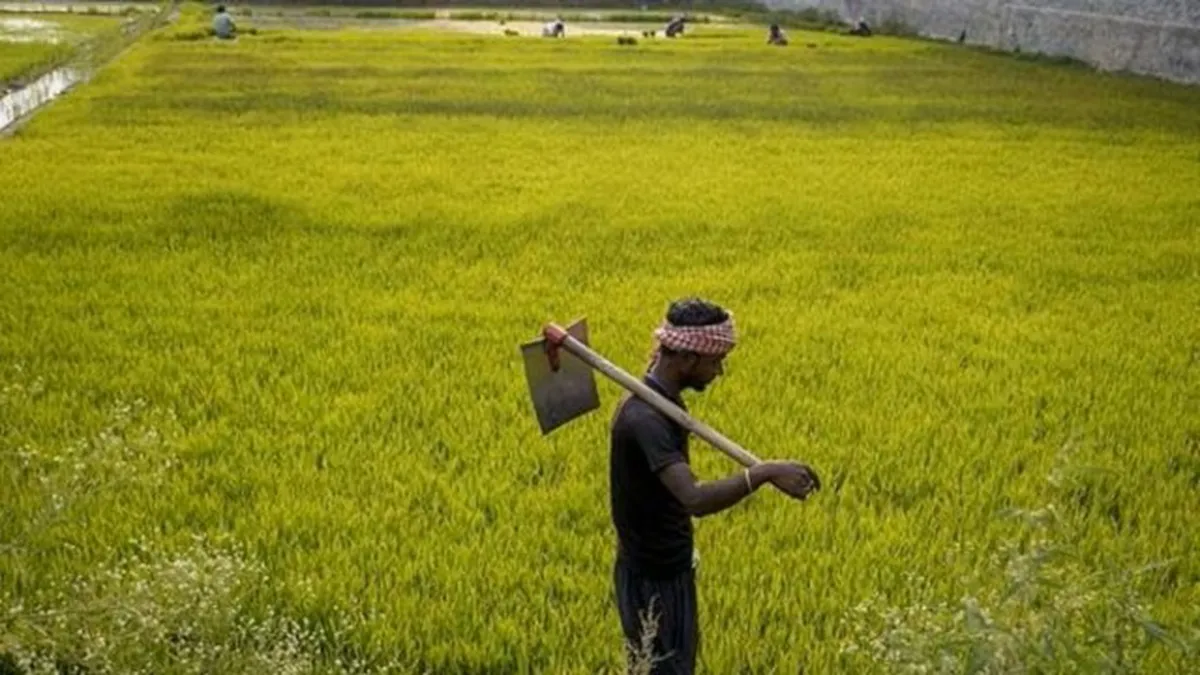
A grim picture has emerged from Maharashtra's Marathwada region, where 899 farmers ended their lives between January and October this year. Official data reveals that 537 suicides occurred during the six-month period when heavy rains and floods destroyed vast stretches of farmland. Beed and Chhatrapati Sambhajinagar districts recorded the highest number of cases, highlighting the scale of distress in the region. According to figures compiled by the Chhatrapati Sambhajinagar divisional commissioner's office, the impact of extreme weather was widespread across all eight districts of Marathwada. Chhatrapati Sambhajinagar reported 112 suicides, Jalna 32, Parbhani 45, Hingoli 33, Nanded 90, Beed 108, Latur 47 and Dharashiv 70 during the worst-affected months.
Govt announces major relief measures
Minister of State for Agriculture Ashish Jaiswal said the government has significantly increased its spending on farmer welfare. He stated, "The government is seriously addressing the issue and has increased the spending on dedicated schemes and incentives to Rs 1 lakh crore," He added that direct financial support to farmers would further rise in the coming years. The state government has already announced a compensation package of nearly Rs 32,000 crore for farmers affected by floods across Marathwada. The region also reported substantial collateral damage, with 12 deaths, nearly 1,300 damaged houses and the loss of 357 animals due to extreme rainfall up to September 20.
Farmer groups express anguish
Farmer leader and former MP Raju Shetti expressed deep concern over the rising suicides, saying unseasonal rain followed by floods and extended monsoon devastated crop fields and fruit orchards. "This sequence of events has undoubtedly demoralised the farmers in Marathwada," he said to news agency PTI. Shetti also alleged that compensation provided to farmers was inadequate. Sharing one example, he said, "A farmer with a banana orchard had finalised a deal with a businessman for nearly 100 tons of crop at a rate of Rs 25,000 per ton. After the floods in the Sina river took away his entire crop, he got a compensation of just Rs 25,000. There are numerous such cases."
Push for long-term farming reforms
Jaiswal said long-term steps are essential to protect farmers from recurring natural calamities. He emphasised the need for controlled farming practices and revised crop patterns that ensure stable income. A dedicated committee has already been formed to ensure benefits of future loan waivers reach deserving farmers.
Call for a strategic disaster management plan
Farmer support organisations have appealed for a more structured approach to crisis response. Vinayak Hegana, founder of Shivar Helpline, urged the government to adopt a strategic, long-term disaster management model. "The government must recognise this pattern of climate change and form a dedicated task force, similar to the one implemented during the COVID-19 pandemic," he said. He added that disaster management parameters in Marathwada must be redefined to meet the region’s changing challenges.
