Nipah virus: 25-year-old nurse dies in West Bengal, first such case recorded in recent history
Nipah virus: Two nursing staff at Barasat's private hospital in West Bengal contracted Nipah virus, underscoring dangers in medical settings from human-to-human spread via close contact with infected secretions like saliva.
A 25-year-old female nurse succumbed to Nipah virus complications at a private hospital in Barasat, North 24 Parganas district of West Bengal, marking the first such death from the virus in the state's recent history. Admitted alongside another nursing staff member infected with Nipah, she had tested negative recently but remained in critical condition. Despite prolonged CCU care and ventilator support introduced yesterday, she passed away around 4 pm today (February 12) as voting concluded in nearby Bangladesh elections.
Nipah outbreak context in West Bengal
Two nursing staff at the Barasat facility contracted Nipah, highlighting risks in healthcare settings where human-to-human transmission occurs via close contact with infected fluids. The male nurse recovered and was discharged in January after treatment, but the woman deteriorated rapidly, requiring extended intensive care. This incident has prompted Asian nations like Thailand, Malaysia, and Singapore to enhance screening amid fears of spread, given Nipah's 40-75 per cent human fatality rate.
What is Nipah Virus?
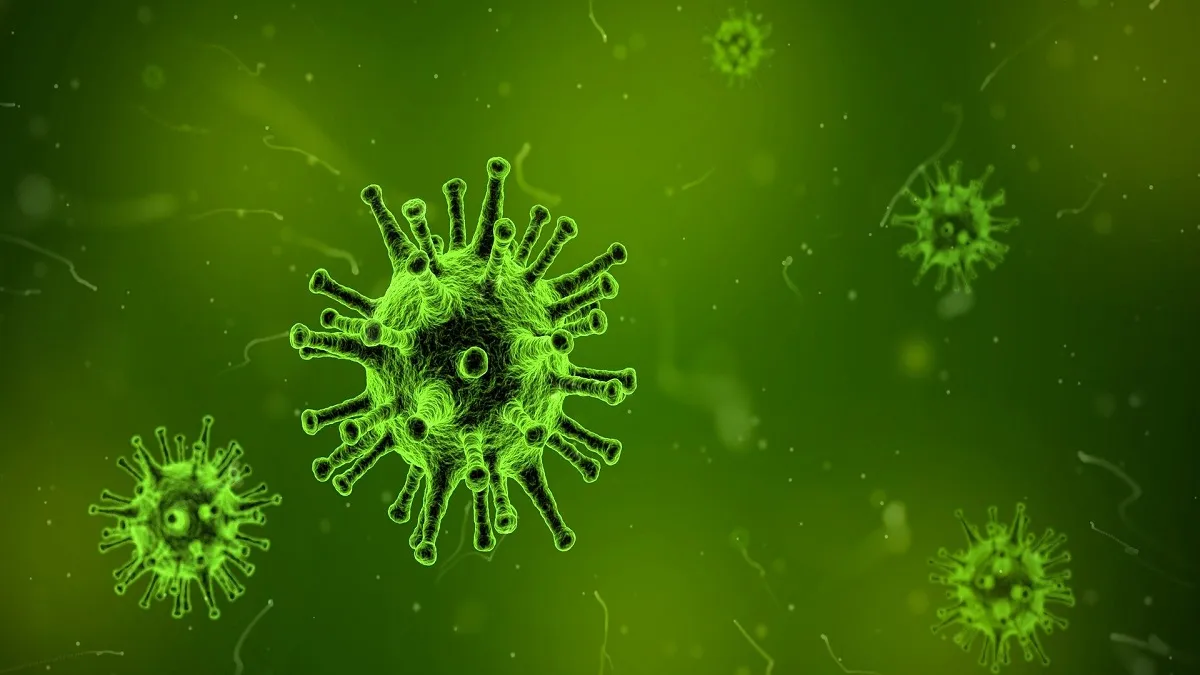
Nipah virus, a zoonotic henipavirus related to Hendra, jumps from animals- primarily fruit bats' saliva, urine, or feces- to humans, often via contaminated date palm sap or pigs as in the 1998 Malaysia outbreak. Transmission also occurs through infected animals or human-to-human contact in households and hospitals, though less efficiently than respiratory viruses like COVID. Symptoms emerge 4-21 days post-exposure, starting with fever, headache and cough, escalating to severe pneumonia or encephalitis causing brain inflammation.
Why Nipah is so deadly?
Nipah's high lethality stems from neurological devastation: seizures, coma, personality changes and respiratory failure affect about half of severe cases fatally. Unlike common fevers, it triggers rapid encephalitis, with survivors risking late relapses even years later. No licensed vaccine or antiviral exists; treatments like Australia's experimental m102.4 monoclonal antibody remain in trials, offering hope but no immediate solution.
Treatment challenges and prevention
Supportive care defines Nipah management- hydration, oxygen, ventilators and seizure control in ICUs- with no specific cure despite trials of ribavirin or remdesivir showing mixed results. Prevention hinges on avoiding bat fluids, safe food handling, and infection controls like isolation in outbreaks. Public health vigilance is key, as seen in West Bengal, where low case numbers allow containment despite the virus's potency. Travellers to affected areas should report fevers promptly, though global risk stays minimal outside hotspots.