- News
- West Bengal
- EC asks Bengal government to delink CEO's office from state control, create independent Election Department
EC asks Bengal government to delink CEO's office from state control, create independent Election Department
The Election Commission of India has also urged the West Bengal government to promptly fill the four vacant positions of Additional, Joint, and Deputy Chief Electoral Officers, in consultation with the Commission.
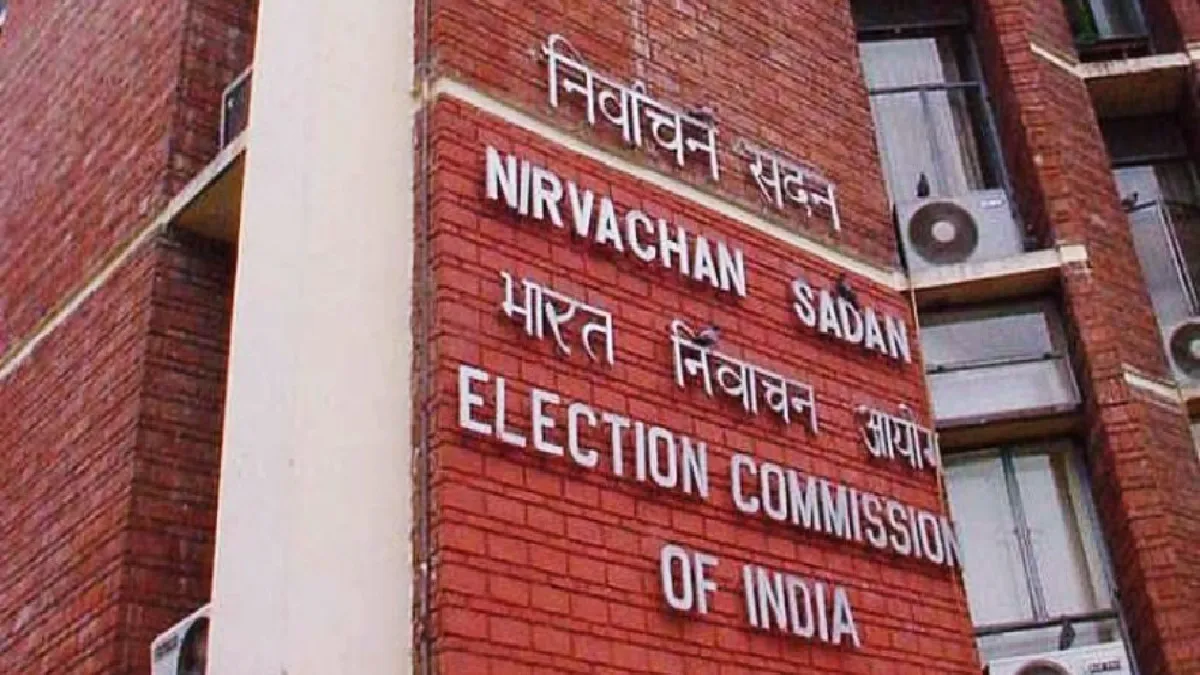
The Election Commission of India (ECI) has asked the West Bengal government to create an autonomous Election Department that operates independently from all other state departments. This directive aims to ensure full financial and administrative autonomy for the Chief Electoral Officer (CEO), West Bengal.
Lack of autonomy under current setup
In a letter dated July 22, ECI Under Secretary Ashutosh M highlighted that the CEO’s office currently functions as a subordinate branch under the state’s Home & Hill Affairs Department, despite the CEO holding the rank of Additional Chief Secretary. The office reportedly operates with only a small permanent advance from the Finance Department, severely limiting its independence.
ECI’s recommendations for structural reforms
To strengthen institutional and functional independence, the ECI has suggested:
- Creation of a dedicated budget head for the Election Department
- Granting the CEO financial powers equivalent to those of Additional Chief Secretary, Principal Secretary, or Secretary-level officers
- Appointment of a separate Financial Advisor to aid in efficient administration
- Immediate filling of four vacant posts (Additional/Joint/Deputy CEOs) in consultation with the Commission
SIR exercise and political reactions
This directive comes at a time when opposition parties, including Bengal's ruling Trinamool Congress, have raised concerns about the ECI’s Special Intensive Revision (SIR) of electoral rolls in Bihar. The ECI revealed that over 52.3 lakh voters in Bihar were found to be either deceased, shifted, enrolled in multiple places, or untraceable—amounting to 6.62% of the state’s total electorate. Trinamool leaders have expressed opposition to any similar exercise in West Bengal.