UPI users: Forgot your UPI PIN? You can now reset it using your face, no need for ATM card
UPI launched this facility to enhance the user experience and provide an additional authentication method. This will especially benefit users who don't have access to their ATM cards.
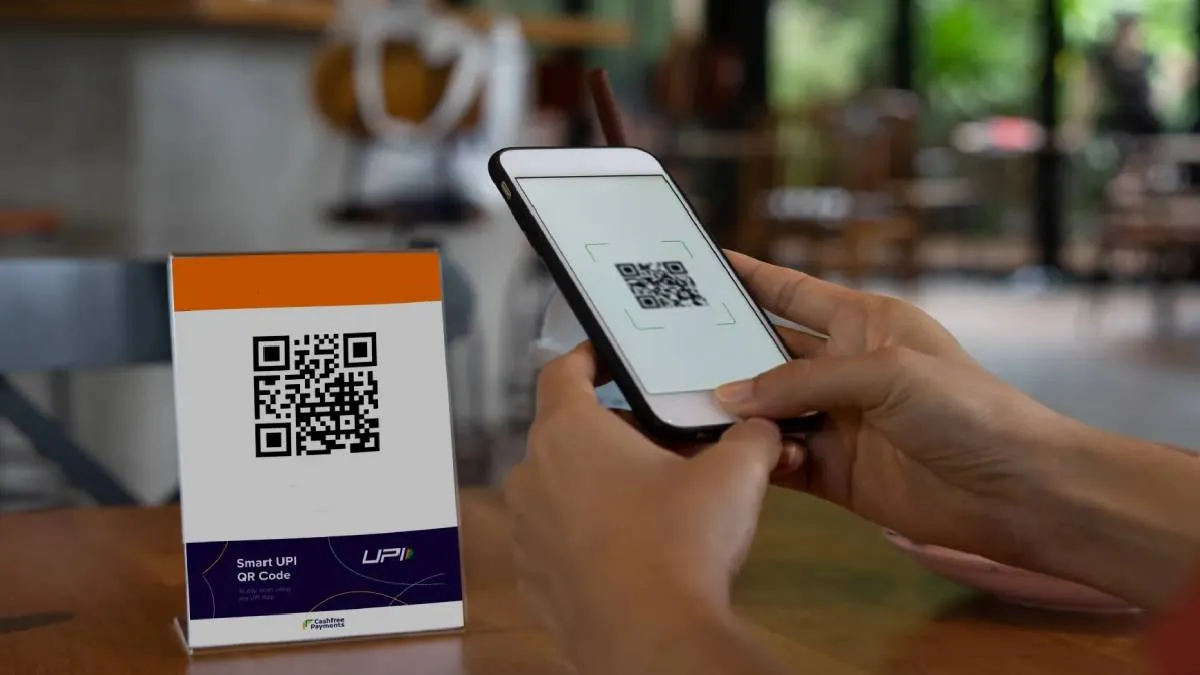
The National Payments Corporation of India (NPCI) on Tuesday rolled out a series of initiatives centered on its flagship Unified Payments Interface (UPI), including on-device biometric authentication. Among the new features is an Aadhaar-based Face Authentication within UPI, which will allow users to set or reset their UPI PIN using their Aadhaar-linked biometrics.
Currently, transaction authentication in UPI requires a UPI PIN. This PIN is typically set using either an Aadhaar OTP or a Debit Card and Issuer OTP. To enhance the customer experience, NPCI has introduced additional authentication methods.
NPCI now allows users to employ UIDAI Face Authentication as an option for UPI PIN setting or resetting, serving as an alternative to using card credentials or an Aadhaar OTP. Essentially, if a user forgets their UPI PIN, they can use the Aadhaar face authentication method to reset it. This new facility will particularly benefit users who do not have access to their ATM cards when they need to reset their PIN.
UPI cash withdrawal and on-device authentication
In a separate move, UPI also launched a new method for Cash Withdrawal through Micro ATMs at UPI Cash Points, which are operated by business correspondents. An official statement noted that this allows for a PIN-less UPI transaction using fingerprint or face authentication.
Department of Financial Services (DFS) Secretary M. Nagaraju launched the majority of these products at the annual Global Fintech Fest.
The On-Device Authentication for UPI enables customers to authenticate UPI payments directly through their smartphone's built-in security features, such as fingerprint or face unlock, as an alternative to manually entering their UPI PIN. The statement added that this facility will be made available to customers who choose to opt in, giving them control over their preferred mode of authentication.