- Home
- Technology
- SIM-binding rule polarises tech industry: Telcos back govt order, digital platforms raise 'serious concerns'
SIM-binding rule polarises tech industry: Telcos back govt order, digital platforms raise 'serious concerns'
The new SIM-binding rule, which requires messaging apps to function only with an active SIM, is supported by COAI but has been criticised by BIF over concerns regarding consumer impact and risk.
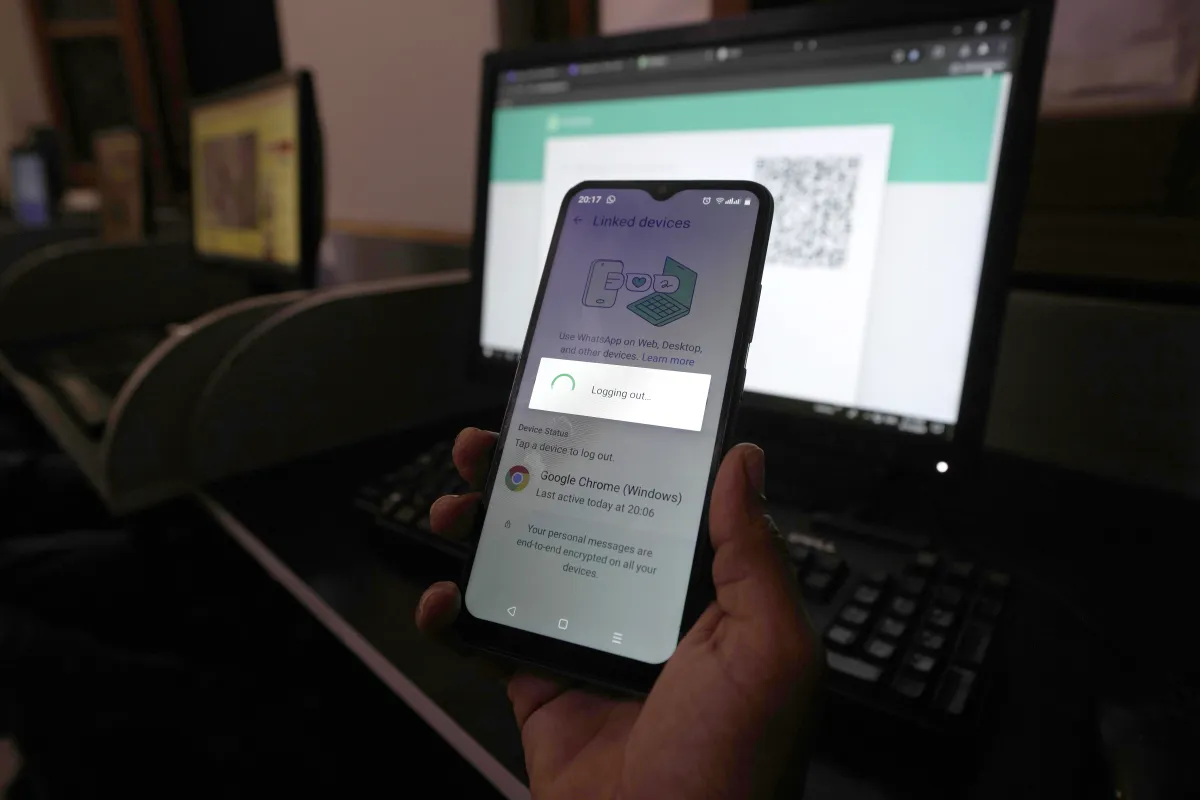
India has mandated that messaging apps like WhatsApp, Telegram, and Signal must be linked to an active SIM to function on a device in the coming days. The government asserts that this 'SIM binding' is essential to plug the security gaps that cybercriminals exploit to perpetrate large-scale, often cross-border, digital fraud.
The new directive has created division among different groups. Mobile operators, represented by the Cellular Operators Association of India (COAI), are in favour of it. Meanwhile, digital platforms, which are part of the Broadband India Forum (BIF), have raised significant worries about the potential overreach of the directive and have asked for a delay in its rollout.
Here is a snapshot of the directive and the reactions it has drawn:
DoT's November 28 directive
The directives require messaging platforms to ensure, within 90 days, that their services will only work if an active SIM is present in the user's device. Additionally, within the same 90-day period, any web version of the app must automatically log users out at least once every six hours. Users will then need to sign in again by re-linking the device using a QR code.
All providers of app-based communication services in India have been asked to submit compliance reports to the Telecom Department within 120 days from the issue of the directions. Failure to comply will attract action under the Telecommunications Act, 2023, the Telecom Cyber Security Rules, and other applicable laws.
Currently, these app-based communication services link to a subscriber's mobile SIM card only during the initial installation and verification. The applications continue to function even if the SIM is subsequently removed, replaced, or deactivated.
Messaging apps affected
This move impacts users of various messaging apps in India, including WhatsApp, Telegram, Signal, Arattai, Snapchat, Sharechat, Jiochat, and Josh.
Government's Rationale for 'SIM Binding'
The government says that having an active SIM card is important for using messaging apps because it helps prevent cybercriminals from committing fraud online. In 2024, losses due to cyber fraud have reached over Rs 22,800 crore, so linking SIM cards continuously and requiring users to log out regularly can help ensure that each account is tied to a verified, active SIM. This makes it easier to trace phone numbers used in various scams, such as those involving phishing, fake investments, bogus arrests, and loan frauds.
The Centre has clarified that this direction does not affect cases where the SIM is present in the handset and the user is on roaming.
Telecom operators' view
Industry body COAI—whose members include Reliance Jio, Bharti Airtel, and Vodafone Idea—asserts that the directive will bolster national security and safeguard citizens. COAI argues that continuous linkage ensures complete accountability and traceability for any activity associated with the SIM card and its communication app. It will close "long-persistent gaps that have enabled anonymity and misuse," and COAI has pledged full commitment to supporting the seamless implementation of the directives.
Concerns flagged by BIF
The Broadband India Forum (BIF), which represents major technology firms like Meta and Google, holds a different view. BIF states that the directions raise significant questions of jurisdiction, consumer impact, and risk, creating obligations that extend far beyond the mandate of the Telecom Act or the purpose of the Telecom Cyber Security Rules. BIF has urged the Centre to pause the implementation of timelines and hold detailed stakeholder consultations on the SIM-binding issue.