Bengaluru to experience unique no shadows tomorrow: All you need to know
Zero shadows occur when sunlight falls at a 90-degree angle on an object, casting no shadow. Bengaluru will experience this phenomenon tomorrow, April 24.
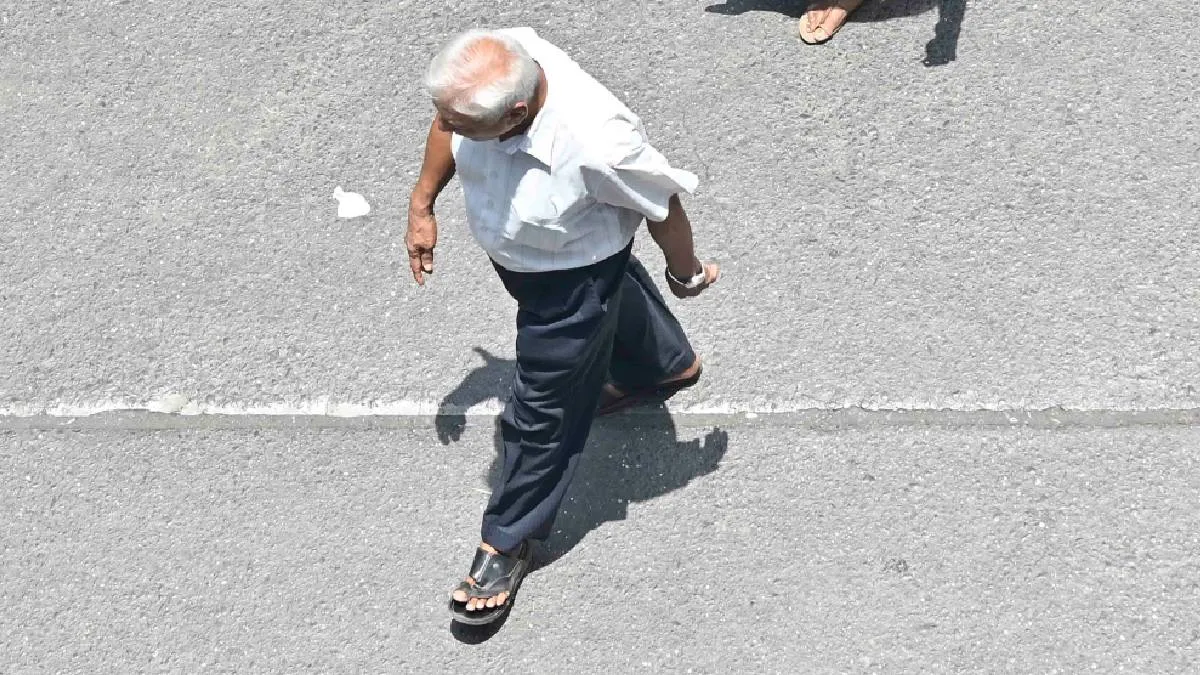
Bengaluru is poised to experience the phenomenon known as Zero Shadow Day on April 24. During this astrophysical event, objects will momentarily cease to cast visible shadows when sunlight strikes them at a precisely 90-degree angle, resulting in shadows being directed vertically downward. This occurrence is the result of the unique interaction between the Sun and the Earth, facilitating a condition where, for a brief period, the rays of sunlight are aligned perpendicularly to the surface at specific geographic locations, rendering objects effectively devoid of shadows.
Bengaluru Zero Shadow Day: Date and time
The event in Bengaluru is anticipated to occur at approximately 12:17 PM on April 24, as noted by researchers from the Indian Institute of Astrophysics (IIA). At this moment, the Sun will be positioned directly overhead, leading to the complete absence of shadows cast by vertical structures, such as trees, poles, and buildings. Instead of the typical elongation of shadows witnessed during conventional daylight, these structures will have their shadows situated directly beneath them, thus falling out of the viewer's sight.
What is Zero Shadow Day
Zero Shadow Day is defined as the occasion when the Sun is vertically aligned with a particular location, facilitating the direct impact of solar rays at right angles. This phenomenon is not exclusive to Bengaluru; it is observable in other cities situated between the Equator and the Tropic of Cancer, approximately at 23.5°N latitude. Such cities experience periods of direct sunlight throughout the year, which allows for the occurrence of Zero Shadow Day. This rare phenomenon typically manifests for only a limited window around noon when the Sun reaches its zenith in the sky, after which conventional shadow patterns resume as the Earth continues its rotation.
ALSO READ: Science unlocks a new colour 'Olo': A glimpse into what the eye was never meant to see