From Pakistan to Bangladesh: A look at top 10 countries with highest IMD debt
Updated: November 19, 2025 0:08 IST
-
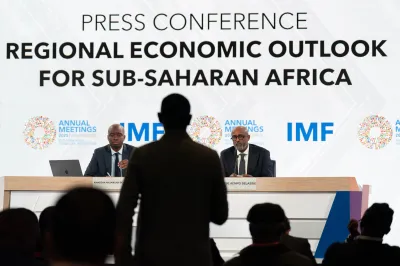 Image Source : AP
The International Monetary Fund (IMF) often acts as the world’s financial safety net, extending loans to countries facing deep economic distress. While its assistance can stabilise collapsing economies, these loans typically come with strict conditions. The gallery shows the 10 nations with the highest outstanding debt to the IMF, and explains why they continue to rely so heavily on the lender of last resort.
-
Image Source : FREEPIK
Argentina ($40.26 Bn ) is the IMF’s largest borrower, holding more debt than the next several countries on this list combined. Despite past support including the IMF’s largest-ever loan in 2018 the country continues to struggle with inflation, dwindling reserves and political instability.
-
Image Source : FREEPIK
Ukraine’s ($10.43 Bn) IMF debt surged after the 2022 Russian invasion devastated its economy and doubled its external obligations. A massive $15.5 billion Extended Fund Facility was approved to keep the government functioning amid wartime spending.
-
Image Source : FREEPIK
Egypt’s ($8.06 Bn) borrowing stems from chronic fiscal deficits, high inflation and persistent shortages of foreign currency. Multiple IMF programmes since 2016 have pushed for exchange-rate reforms, subsidy cuts and broader fiscal tightening.
-
Image Source : FREEPIK
Pakistan ($6.83 Bn) turned to the IMF during a severe balance-of-payments crisis that left it unable to afford essential imports. The loans aim to stabilise the rupee, cut mounting public debt and secure supplies of food, fuel and energy.
-
Image Source : FREEPIK
Ecuador’s ($6.38 Bn) economy heavily tied to oil was hit hard by falling global prices and domestic political turmoil. IMF assistance has focused on strengthening public finances, easing inflation and implementing structural reforms.
-
Image Source : FREEPIK
Kenya ($3.02 Bn ) borrowed from the IMF due to rising debt levels, inflationary pressures and slowing economic growth. The funds support efforts to restore fiscal discipline and manage public spending more effectively.
-
Image Source : FREEPIK
Angola’s ($2.75 Bn) oil-dependent economy suffered greatly from global price volatility, slashing national revenues. IMF financing supports efforts to diversify the economy away from oil and address long-standing debt management issues.
-
Image Source : FREEPIK
The country with $2.56 Bn sought IMF support to bolster its post-pandemic recovery and maintain macroeconomic stability. High inflation and development financing needs contributed to increased borrowing.
-
Image Source : FREEPIK
Rising debt, surging inflation and a weakening currency forced Ghana ($2.45 Bn) to seek IMF intervention. The loan is part of a broader push to restructure its debt and stabilise public finances.
-
Image Source : FREEPIK
Bangladesh ($1.94 Bn) approached the IMF as its foreign exchange reserves declined sharply amid rising import costs. IMF funds are helping the country manage energy imports and reduce inflationary pressures.