1. News
  2. Photos
  3. India

Life in slums: The daily struggles for basic necessities for dwellers | Pics

Updated: January 22, 2025 12:57 IST
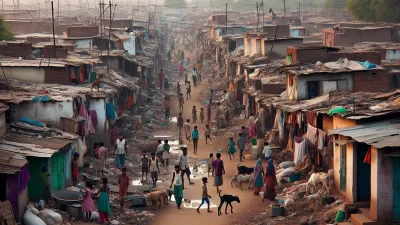
Inadequate housing: Homes in slums are often poorly constructed with materials like tin, plastic sheets, and cardboard, making them unsafe and vulnerable to weather conditions. These settlements lack basic municipal services such as water, sanitation, waste collection, storm drainage, street lighting, paved sidewalks and roads for emergency access.
1/7 Image Source : PTI
Inadequate housing: Homes in slums are often poorly constructed with materials like tin, plastic sheets, and cardboard, making them unsafe and vulnerable to weather conditions. These settlements lack basic municipal services such as water, sanitation, waste collection, storm drainage, street lighting, paved sidewalks and roads for emergency access.
2/7 Image Source : PTI
Water scarcity: In slums, residents often depend on irregular water supplies, with many relying on government tankers or long queues at public taps. The lack of clean drinking water forces families to consume unsafe water which often increases the risk of waterborne diseases.
3/7 Image Source : ORF Online
Poor sanitation: With limited access to functional toilets, sanitation is another severe challenge for slum dwellers. Open defecation remains common, exposing communities to severe health risks, particularly children. Waste management is also inefficient as garbage is often left uncollected for days.
4/7 Image Source : FREEPIK
Safety concerns: Inadequate lighting and police presence in these areas make slums particularly vulnerable to crime. Women and children often face threats, and the lack of secure housing leaves families in constant fear of theft or eviction.
5/7 Image Source : iStock
Overcrowding: Slum settlements are densely packed, with entire families forced to live in single-room shanties. This overcrowding often risks the rapid spread of illnesses and limits the residents' ability to maintain a healthy lifestyle.
6/7 Image Source : FREEPIK
Lack of healthcare access: Medical facilities are scarce and affordable healthcare remains out of reach for most residents in slums. Many are forced to rely on unlicensed practitioners or forego treatment altogether which often leads to worsening health conditions.
7/7 Image Source : Global Giving website
Education gaps: Children in slums face difficulties in accessing quality education as schools in regions are often overcrowded and underfunded. This perpetuates the cycle of poverty and limits their opportunities for a better future.