US, Iran agree in principle to resume talks amid Hormuz tensions; Pakistan Army chief Munir reaches Tehran
The US and Iran have agreed in principle to resume talks, although no date or venue has been finalised yet. Multiple nations, including Pakistan, Egypt and Turkey, are helping push both sides toward a possible understanding amid rising Middle East tensions.
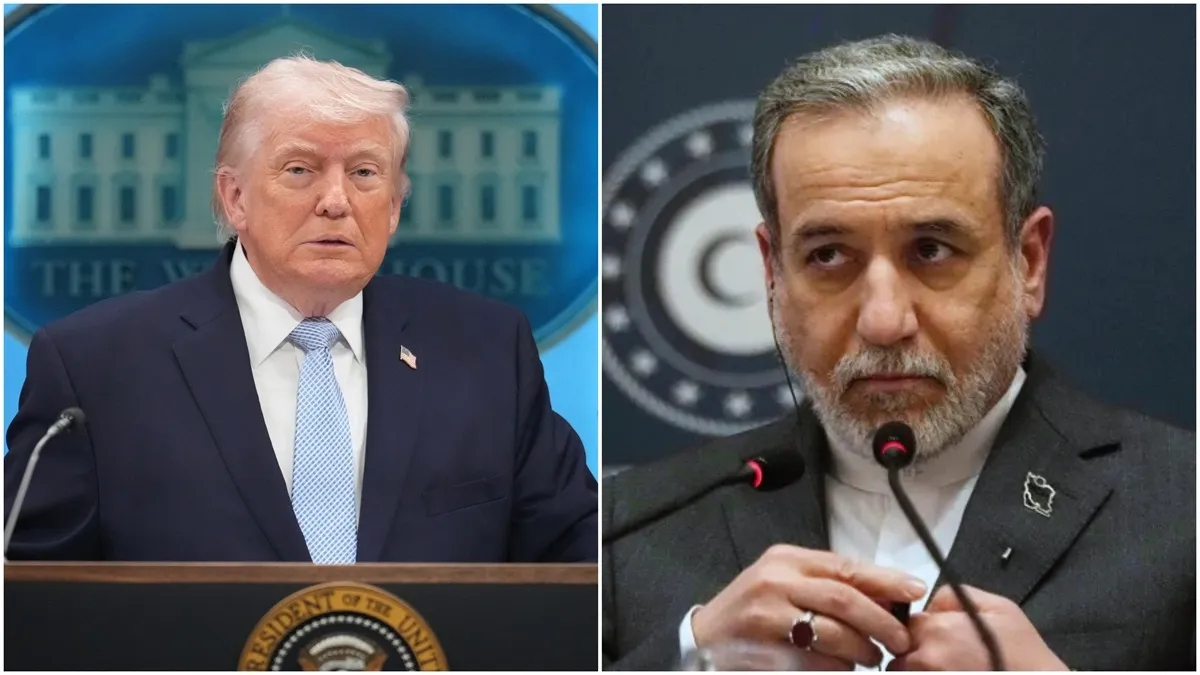
Amid rising tensions over the blockade of the Strait of Hormuz, the United States and Iran have agreed in principle to hold another round of talks, although the date and venue have not yet been finalised. The development has been reported by The Wall Street Journal, raising hopes that renewed negotiations may help ease the fast-worsening regional crisis. Earlier, the two sides held a round of talks in Pakistan, but that attempt failed to produce a breakthrough.
Meanwhile, Pakistan's Army chief Field Marshal Asim Munir has reached Tehran, where he was received by Iran's Foreign Minister Abbas Araghchi. According to the Pakistan Army, international mediators are making efforts to organise a second round of talks between Washington and Tehran, and Munir's visit is being seen as part of that push. Recently, US President Donald Trump had praised Munir for his behind-the-scenes role in facilitating communication between the two rival nations. His latest visit to Iran has fuelled speculation that he may once again attempt to bridge gaps and revive the negotiation process.
Experts believe Pakistan is trying to improve its global image by acting as a mediator, especially as the country remains widely criticised for harbouring terrorism. While Islamabad hopes to earn diplomatic points in Washington, global observers remain sceptical given Pakistan's long history of enabling terror groups.
Multiple countries playing mediator
According to Axios, negotiators from the US and Iran have inched closer to a possible understanding after a series of quiet backchannel interactions. Officials have indicated that although no agreement is guaranteed, the recent momentum suggests movement toward narrowing the gaps. Pakistan, Egypt and Turkey have been acting as mediators in the dialogue process, particularly with the April 21 ceasefire deadline approaching.
Trump dials PM Modi
Earlier on Tuesday, US President Donald Trump dialled Prime Minister Narendra Modi to discuss the West Asia crisis and the need to keep the Strait of Hormuz "open and secure". Shortly after their nearly 40-minute conversation, PM Modi said he and Trump reviewed the "substantial progress" in the bilateral ties and that both sides are committed to further strengthening the India-US comprehensive global strategic partnership in all areas. The call between the two leaders came amid increasing global concerns over the US naval blockade of Iran's ports, as well as reports that Washington and Tehran may hold a second phase of direct negotiations days after the collapse of initial talks in Islamabad.
ALSO READ: Trump says Iran conflict 'close to over,' claims Tehran 'badly' seeking deal with US