US Intel alert: India-Pakistan ties pose nuclear conflict risk amid terrorism and regional tensions
US Intel alert: The US intelligence report turns to wider South Asian threats, highlighting ISIS-Khorasan's ongoing regional footprint, its drive for attacks abroad. Yet, Afghanistan's Taliban has intensified its offensive, launching broad raids on ISIS-K sites, probably disrupting multiple plots.
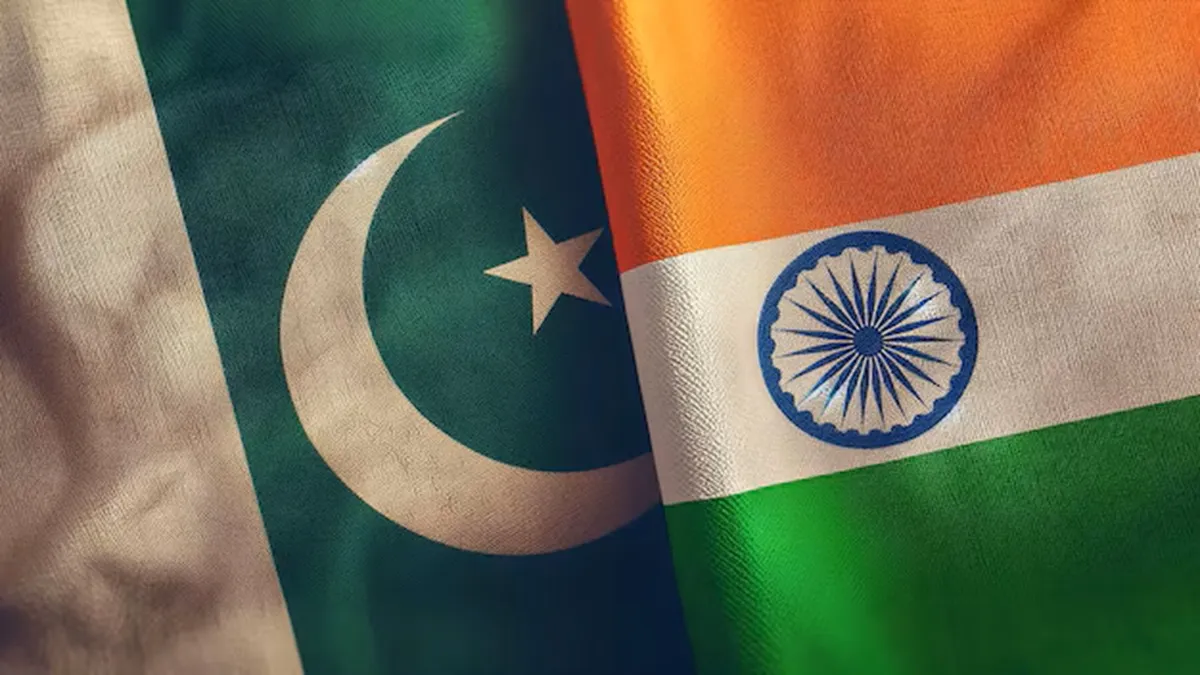
The US Intelligence Community's Annual Threat Assessment, presented to the US Senate on Wednesday (March 18) flags enduring volatility in South Asia, spotlighting India-Pakistan relations as a persistent flashpoint for potential nuclear escalation. This 34-page document underscores how historical rivalries, terrorism and evolving military capabilities could ignite crises, even as neither nuclear-armed nation actively pursues open war.
Lingering nuclear dangers between India and Pakistan
India and Pakistan's fraught relationship continues to harbor significant risks of nuclear conflict, rooted in past clashes where the two atomic powers directly confronted each other. The report cites a terrorist attack last year near Pahalgam in India's Jammu and Kashmir Union Territory as a stark example of how such incidents can rapidly spiral into broader hostilities. Although former President Trump's intervention helped de-escalate the most recent nuclear standoff, the assessment warns that conditions remain ripe for terrorist groups to provoke new crises.
ISIS-K threats and Taliban counteractions
Shifting focus to broader South Asian security, the report notes that ISIS-Khorasan (ISIS-K) retains a presence in the region and harbors ambitions for external operations. However, the Taliban regime in Afghanistan has ramped up its crackdown, conducting widespread raids on ISIS-K targets, likely foiling several plots and forcing key leaders to flee to neighbouring countries. These efforts signal improving Afghan security capabilities, though the jihadist group's aspirations persist.
Pakistan's missile advances and Taliban friction
Pakistan is aggressively advancing its missile technology, developing systems with greater range and sophistication that could soon extend beyond South Asia- potentially including intercontinental ballistic missiles (ICBMs) capable of reaching the US if trends hold. Compounding these developments, ties between Pakistan and the Taliban have soured amid intermittent border clashes. Islamabad grows increasingly exasperated with anti-Pakistan militants operating from Afghan soil, even as it grapples with rising domestic terrorism.
Escalating border clashes: Strikes on Kabul mark new low
Tensions boiled over on February 26, when the Afghan Taliban launched strikes on Pakistani military outposts along their shared border, retaliating against prior Pakistani airstrikes. Pakistan swiftly countered within hours, bombing Afghan border provinces and, for the first time, urban centers including Kabul. Fighting has persisted since, with Pakistan's army chief recently issuing a stark warning that sustainable peace demands the Taliban cut ties with militants attacking Pakistan. While the Taliban publicly advocates dialogue and denies sheltering such groups, the report portrays a volatile standoff with no quick resolution in sight.