UK to lower voting age to 16: List of countries that have allowed teenagers to vote in elections
The Labour Party campaigned in part on lowering the voting age last year — in an election with just 59.7% turnout, the lowest since 2001
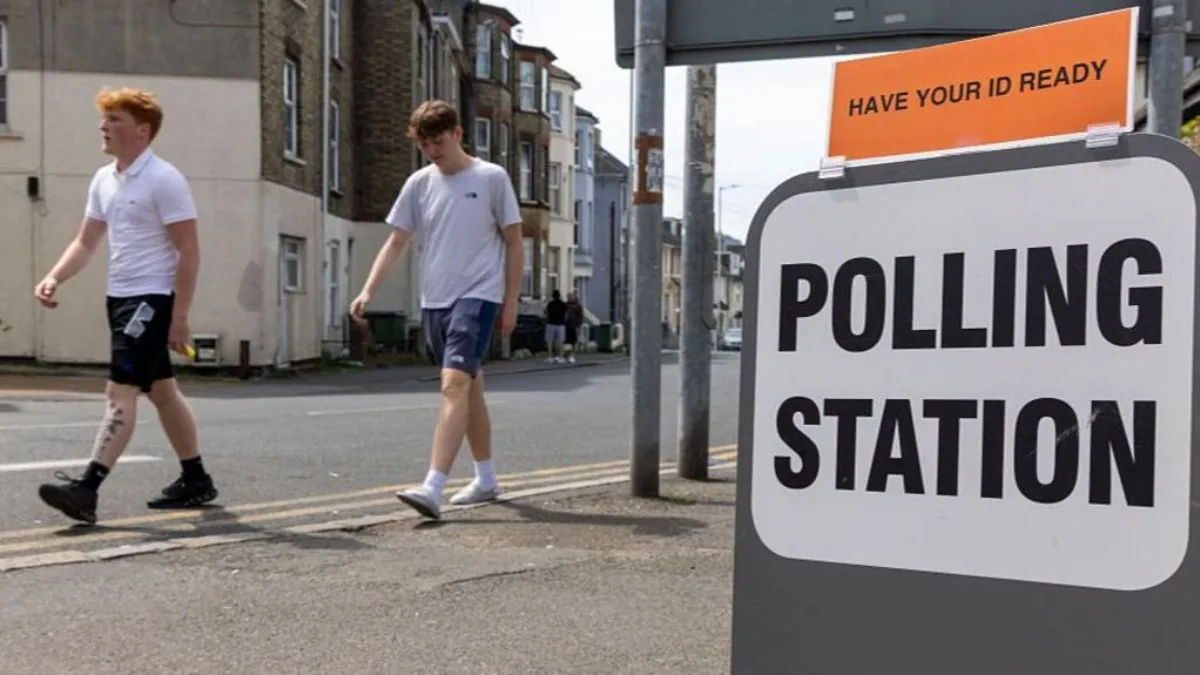
In a landmark move, the United Kingdom is set to lower the voting age to 16, a decision the Labour-led government hopes to implement before the next General Election in 2029. The proposed reform is part of a broader democratic overhaul aimed at increasing youth participation, particularly after the 2024 general election recorded the lowest voter turnout in over two decades.
Labour's push for youth participation
The plan to reduce the voting age to 16 has long been a part of the Labour Party’s platform. Prime Minister Keir Starmer has defended the move, stating that young people deserve a say in how public funds are spent. “Our democracy is in crisis,” said Deputy Prime Minister Angela Rayner in a policy paper, calling it a “landmark moment” for the UK's democratic renewal.
The government estimates that lowering the voting age will give about 1.5 million 16- and 17-year-olds the right to vote in national elections. While Scotland and Wales already allow teenagers to vote in devolved parliamentary elections, the change will bring uniformity across the UK.
Opposition and criticism
Not all parties are on board. The Conservative Party has criticised the move, calling it a “hopelessly confused” reform. Reform UK leader Nigel Farage also opposed the idea, despite acknowledging his party could benefit from youth votes. Critics argue that 16-year-olds lack the maturity required to make informed political decisions, noting that many rights—such as marrying, buying alcohol, or serving in combat—are still restricted until age 18.
Global perspective: Where can teens vote?
The UK’s decision aligns it with a small but growing list of countries that allow 16-year-olds to vote. In Europe, Austria, Malta, the Isle of Man, and the Channel Islands have reduced the voting age to 16. Outside Europe, Brazil, Argentina, Cuba, and Nicaragua also allow voting at 16. In countries like Germany and Belgium, teens can vote in certain elections, such as for the European Parliament.
Some countries, including Greece, Indonesia, and Sudan, set the voting age at 17. The global standard remains 18, but the trend of lowering it is gaining traction as governments seek to engage younger citizens in democratic processes.
Other reforms in the pipeline
The UK government also plans to modernise voter registration, expand acceptable voter ID to include named UK bank cards, and extend the postal vote application deadline. Additionally, it proposes new restrictions on foreign political donations to prevent electoral interference.
These reforms signal a significant shift in how the UK approaches electoral engagement and democratic participation.