From ultimatums to U-turn: Timeline of what happened in Washington ahead of US-Iran ceasefire
The US and Iran have agreed to a two-week ceasefire aimed at cooling escalating tensions in the Strait of Hormuz. A dramatic day of diplomacy in Washington ultimately paved the way for the temporary agreement. Global leaders welcomed the pause while urging deeper negotiations.
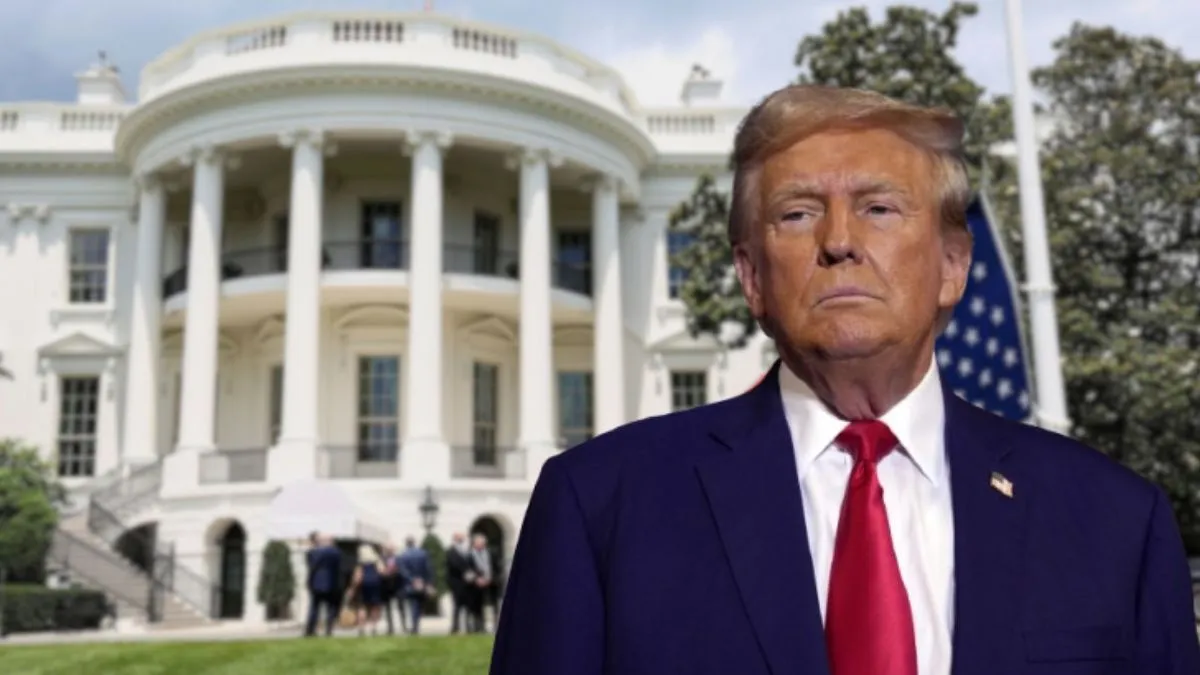
The United States and Iran have reached a two-week ceasefire agreement which offers a brief pause in tensions across the Strait of Hormuz and the wider region. The announcement drew widespread support from world leaders who underlined that a lasting peace would require sustained dialogue. Uncertainty persisted on Wednesday as both sides appeared to communicate contrasting interpretations of the truce.
Fresh attacks cast shadow on the truce
Soon after the ceasefire was declared, the United Arab Emirates (UAE) reported incoming missiles, while Kuwait said its forces responded to drone activity. Iran also claimed that one of its oil refineries had been targeted. Calling the development "a fragile truce," US Vice President JD Vance warned that the situation was still precarious.
Global players push for negotiations
Officials in Oman, Finland and the European Union expressed willingness to help facilitate deeper talks. The intent behind the two week pause is to open space for meaningful diplomatic engagement, with hopes that it may evolve into a more durable agreement.
A tense day in Washington ahead of the ceasefire
According to a Wall Street Journal report, the backdrop to the truce unfolded dramatically in Washington.
Here's the timeline:
8.06 am (Washington time): Donald Trump issued a stark warning saying, "Unless a deal is struck in the next 12 hours, a whole civilisation will die tonight, never to be brought again."
9.00 am: Pete Hegseth began consultations with Dan Caine and Brad Cooper to assess potential strike options.
Throughout the day, several world leaders, including Pope Leo, appealed to Trump to delay military action. Pressure mounted from allies who urged an extension of the deadline, as per the Wall Street Journal.
3.00 pm: Pakistan Prime Minister Shehbaz Sharif publicly urged the United States to accept a temporary truce and encouraged Iran to keep the Hormuz route operational during this window.
Trump remained in the Oval Office evaluating options with advisers and monitoring diplomatic outreach.
6.32 pm: Trump announced, "Subject to Iran agreeing to Complete, immediate, and safe opening of Strait of Hormuz, I agree to suspend the bombing and attack on Iran for a period of two weeks."
9.00 pm: Iran released its statement saying negotiations would begin in Islamabad and that the truce would last two weeks, extendable by mutual consent. The statement clarified, "This does not mean the war is over."
Two-week ceasefire
It is worth noting that the two-week truce is intended to create a window for diplomatic engagement, with hopes that it can evolve into a longer-lasting arrangement. As global attention turns toward negotiations, leaders have called on all parties involved to uphold the ceasefire terms and work toward a sustainable solution, emphasising that the momentary step back from conflict must translate into concrete progress for lasting peace.