Missiles hit UAE, Kuwait, Iran claims Lavan Island attacked: Why did the ceasefire fail to stop attacks?
Hours after the announcement of ceasefire, the United Arab Emirates reported an incoming Iranian missile barrage, and Kuwait's military said its forces were responding to drones. Iran then said an oil refinery came under attack.
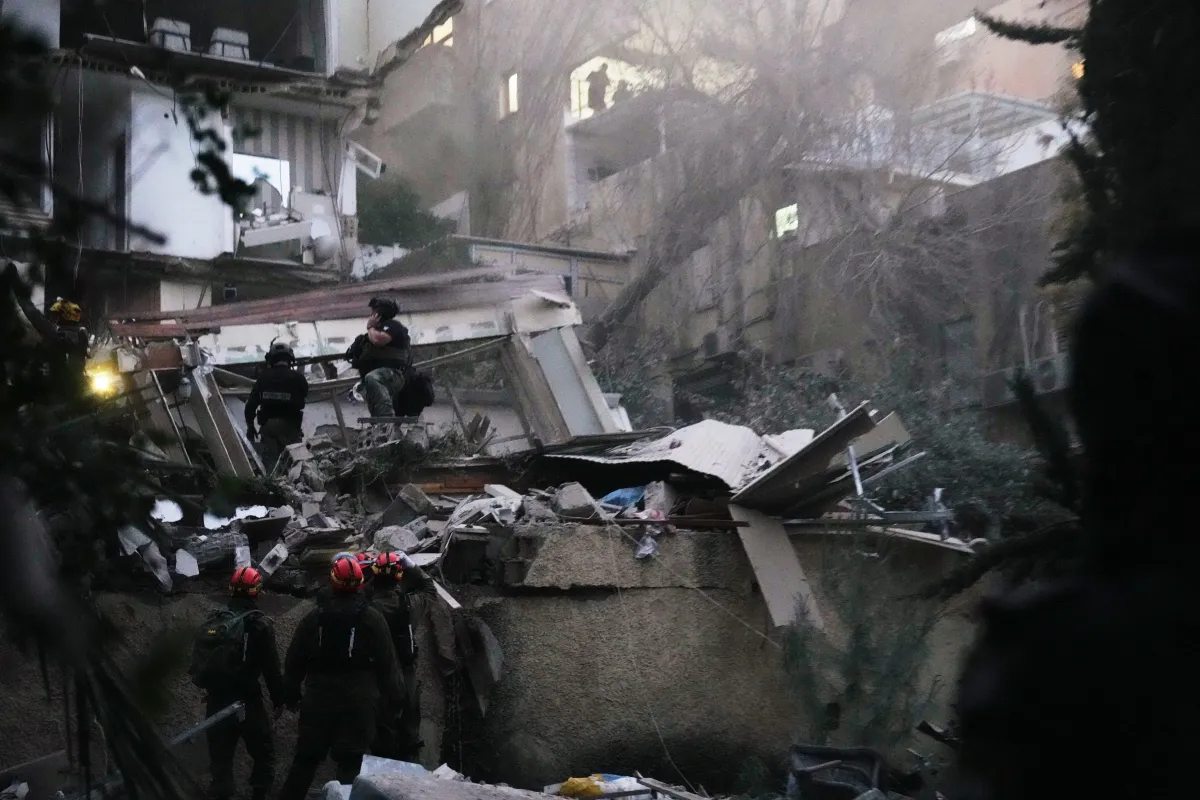
Hours after a ceasefire was announced between US and Iran in the ongoing war, an oil refinery on Iran's Lavan Island came under attack, Iranian state television reported. The report said that firefighters were working to contain the blaze but no one had been hurt. However, it did not say who launched the attack.
In another development, the United Arab Emirates said on Wednesday afternoon that its air defenses were firing at an incoming Iranian missile barrage. The announcement came hours after Iran, the US and Israel reached a two-week ceasefire in the war. However, the UAE did not elaborate on where the attack was happening.
Apart from this, Kuwait also stated that it has been facing an "intense wave of attacks" from Iran for hours. The Ministry of Defense announced that Kuwaiti air defense systems have been actively responding since 8:00 am to an intensive wave of hostile drone attacks launched from Iran.
Official spokesperson Colonel Saud Abdulaziz Al-Atwan stated that a total of 28 drones were detected targeting various locations across the country, including at least eight aimed directly at Kuwait.
Why ceasefire fails to stop attacks?
Now the question arises if Kuwait and UAE are facing incoming missiles from Iran and an oil refinery on Iran's Lavan Island came under attack, then what happened to the ceasefire. Is the ceasefire really working between US and Iran which was signed earlier in the day?
While diplomatic efforts continue to try to stop the attacks, the immediate reality on the ground is that the ceasefire has not yet resulted in a cessation of hostilities in the Gulf region.
Moreover, the ceasefire is failing to stop attacks due to a combination of narrow, temporary terms, deep distrust, and continued military operations on excluded fronts. The ceasefire, designed to pause fighting for two weeks, specifically does not cover Israeli operations in Lebanon, which continue despite the broader US-Iran truce.
Apart from this, deep distrust between Washington and Tehran causes both sides to view the ceasefire with caution with many fear a return to full-scale fighting immediately after the two-week period expires.
US, Israel and Iran agree to a 2-week ceasefire
Earlier in the day, Iran, the United States and Israel agreed to a two-week ceasefire, an 11th hour deal that allowed US President Donald Trump to pull back from his threats to unleash a bombing campaign that would destroy Iranian civilisation. However, it was unclear if the deal had started, what it included and whether it could lead to a durable peace as the sides presented vastly different visions of the terms.
JD Vance calls agreement 'a fragile truce'
US Vice President JD Vance called the agreement "a fragile truce." Even as there were indications negotiations could begin soon, much about the deal remained unknown:
Iran said the deal would allow it to formalise its new practice of charging ships passing through the Strait of Hormuz, but the terms were not clear, nor was whether ships would feel safe using the crucial transit lane for oil. It also was unclear whether any other country agreed to this condition.
Pakistan, which helped to mediate the deal, and others said it would pause fighting in Lebanon, where Israel has launched a ground invasion against the Iran-backed Hezbollah militant group. Israel said it would not.
In the streets of Tehran, pro-government demonstrators screamed: "Death to America, death to Israel, death to compromisers!" after the ceasefire announcement and burned American and Israeli flags. The chants underscored the anger animating hard-liners, who have been preparing for what many assumed would be an apocalyptic battle with the United States. Trump warned Tuesday that "a whole civilization will die tonight," if a deal wasn't reached.
Also Read:
Netanyahu backs US–Iran ceasefire, stresses deal doesn't apply to Hezbollah conflict in Lebanon