Hurricane Melissa leaves trail of destruction in Jamaica, heads toward Cuba as category 4 storm
Hurricane Melissa slammed into Jamaica as a Category 5 storm, the strongest in the island’s history, killing at least seven people across the Caribbean and causing widespread destruction.
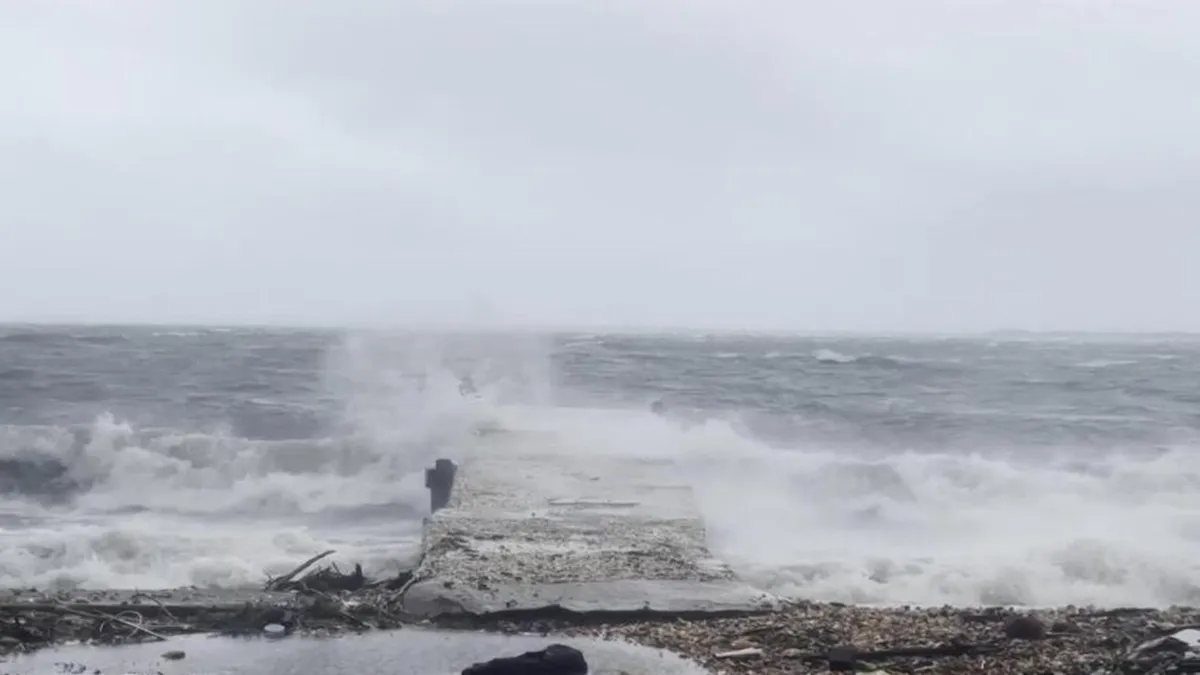
Hurricane Melissa, Jamaica’s most powerful storm on record, has left widespread destruction after making landfall as a Category 5 hurricane on Tuesday. According to the US National Hurricane Center, Melissa struck near New Hope in southwestern Jamaica with sustained winds of up to 185 mph (298 km/h) well above the threshold for a Category 5 storm.
Prime Minister Andrew Holness declared the entire island a “disaster area”, urging residents to remain indoors as flooding and landslides continued in several regions.
At least seven dead across the Caribbean
Officials confirmed that seven people have died so far in the Caribbean — three in Jamaica, three in Haiti, and one in the Dominican Republic. In Jamaica, two victims were killed by falling trees, while another was electrocuted during storm preparations. Authorities said that a full assessment of the damage will take several days as power outages have affected much of the island.
Melissa now heading toward Cuba
After pounding Jamaica, Hurricane Melissa has weakened slightly to a Category 4 storm and is now moving toward Cuba, where it is expected to impact the city of Santiago de Cuba. Cuban President Miguel Díaz-Canel warned citizens to brace for heavy rain and strong winds, saying, “We should already be feeling its main influence this afternoon and evening. The cyclone will cause significant damage.”
Mass evacuations in Cuba and the Bahamas
Cuban authorities have ordered around 500,000 people to move to higher ground as a precaution. Meanwhile, the Bahamas has also begun evacuations in southern islands, which lie directly in the storm’s projected path.
‘Storm of the century’ for Jamaica
Experts have called Melissa the “storm of the century” for Jamaica. The World Meteorological Organization (WMO) said the impact was “catastrophic,” comparing it to Hurricane Beryl (2024). The storm swept across Jamaica’s key agricultural zones, damaging crops and infrastructure. Local officials reported severe flooding in St Elizabeth parish, where the only public hospital lost power and suffered major structural damage.
Rescue teams managed to reach several stranded families, including one group with four infants. Residents described the hurricane’s force as terrifying. “It’s like a roaring lion. It’s mad really mad,” said a retiree in Portland Cottage, about 150 km from the landfall site.