From Amazon to Apple, a look at top 10 US firms sponsoring more H-1B visas
President Trump's $100,000 annual fee on H-1B visas aims to reduce foreign worker inflows but could disrupt the US tech industry and limit access to global talent, raising concerns over innovation and economic growth.
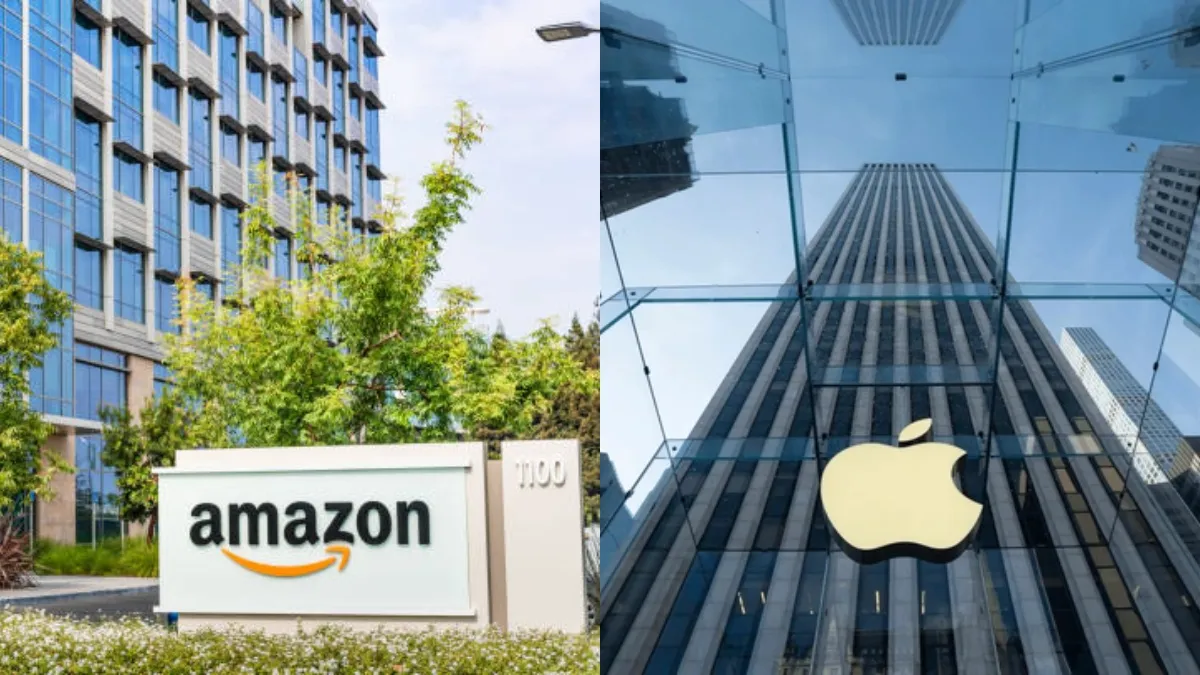
In a groundbreaking move, President Donald Trump has signed a proclamation imposing a $100,000 annual fee on companies applying for H-1B worker visas. This decision, aimed at reducing foreign worker inflows, is expected to disrupt the US tech industry, which heavily relies on skilled workers from countries like India and China.
Top tech employers most affected
The H-1B visa program has been a key resource for US companies to hire skilled foreign workers, particularly in the tech and healthcare sectors. The following companies are the largest beneficiaries of the H-1B program:
- Amazon: 10,044 approved H-1B visas in 2025
- Tata Consultancy Services (TCS): 5,505 approved H-1B visas
- Microsoft: 5,189 approved H-1B visas
- Meta: 5,123 approved H-1B visas
- Apple: 4,202 approved H-1B visas
- Google: 4,181 approved H-1B visas
- Deloitte: 2,353 approved H-1B visas
- Infosys: 2,004 approved H-1B visas
- Wipro: 1,523 approved H-1B visas
- Tech Mahindra Americas: 951 approved H-1B visas
These companies, particularly in the tech sector, depend on foreign talent to fill critical roles in IT, engineering, and healthcare. The fee hike may increase operational costs and make it harder to recruit the best talent globally.
White House briefing and industry response
In a White House briefing, US Commerce Secretary Howard Lutnick emphasised that the administration had consulted with major companies, and they supported the fee increase. He advocated for prioritising American workers, stating, “Train Americans. Stop bringing in people to take our jobs.”
However, this stance has been met with resistance from the tech industry, which argues that foreign talent is crucial for innovation and economic growth.
Impact on the tech talent pool
The H-1B visa program serves as a vital pipeline for bringing skilled workers into the US, especially in the tech industry. The new fee hike is likely to increase costs and potentially reduce the number of foreign workers available. The tech industry, already facing a talent shortage, could find it harder to meet its workforce needs.
Economic implications and future of H-1B Visas
The fee increase may have broader economic consequences, potentially stifling innovation and limiting US competitiveness. While the goal is to protect American jobs, it could push international talent to other countries with more favourable immigration policies.
The Trump administration’s $100,000 annual fee for H-1B visas represents a significant shift in US immigration policy. While designed to protect US workers, it could negatively impact tech companies and innovation. The long-term effects on the tech sector and the US economy remain uncertain, but the policy is likely to prompt companies to adjust their recruitment strategies, potentially at the cost of global talent.