Former Pak minister exposes country's power play: 'Munir is de facto leader, US ignoring Shehbaz'
Referring to recent developments amid Iran ceasefire deal, Chaudhry pointed out that US President Donald Trump mentioned General Munir as Pakistan’s leader, while Sharif’s name was not highlighted.
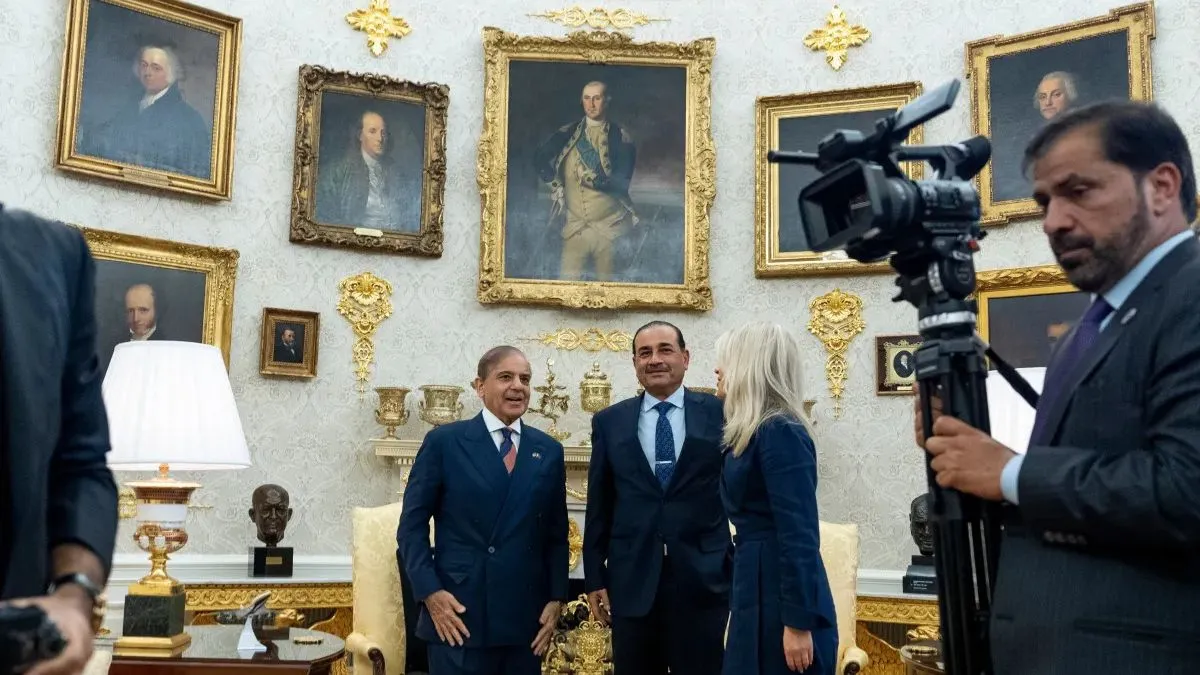
Former Pakistan Minister Fawad Chaudhry has taken a dig at the country’s leadership, claiming that real authority lies with the military rather than the elected government. He stated that Army Chief Asim Munir is running the country, while Prime Minister Shehbaz Sharif remains overlooked.
Chaudhry, who previously served as Information Minister in Imran Khan’s government, argued that the balance of power in Pakistan is heavily tilted towards the military establishment. Referring to recent developments, Chaudhry pointed out that US President Donald Trump mentioned General Munir as Pakistan’s leader, while Sharif’s name was not highlighted.
These remarks come at a time when Pakistan is playing a diplomatic role in facilitating discussions between the United States and Iran, aimed at easing tensions and working towards a ceasefire in the Middle East.
"Frankly, there is no two opinions about that. Right now, Pakistan is led by General Asim Munir. He is the de facto leader of Pakistan. The decision-making right now is with the Field Marshal or CDF... Even yesterday, President Trump actually named General Asim Munir as the Leader of Pakistan, and he has not even bothered to talk about Shehbaz Sharif," he said on being questioned over Munir being at the helm.
Munir in Iran to facilitate second round of talks
Pakistan is making a renewed push to position itself in ongoing regional diplomacy, as fresh discussions are being planned following an unproductive first round of talks. Munir is currently in Iran, where he is holding meetings with authorities in Tehran.
The visit is focused on exploring possibilities for a second round of dialogue after earlier efforts failed to deliver any outcome.
The United States has also signalled that the upcoming round of discussions could take place in Pakistan.
Analysts, however, view Pakistan’s role with caution. Many experts believe the country is attempting to reshape its international image by presenting itself as a mediator in regional matters. This effort comes at a time when Pakistan continues to face criticism globally over allegations of providing safe haven to terrorist groups.