Bangladesh to hold parliamentary elections in February 2026, announces chief adviser Muhammad Yunus
He announced the election timeframe during his address to the nation via state television, BTV and radio to mark the first anniversary of the uprising that ousted former Prime Minister Sheikh Hasina.
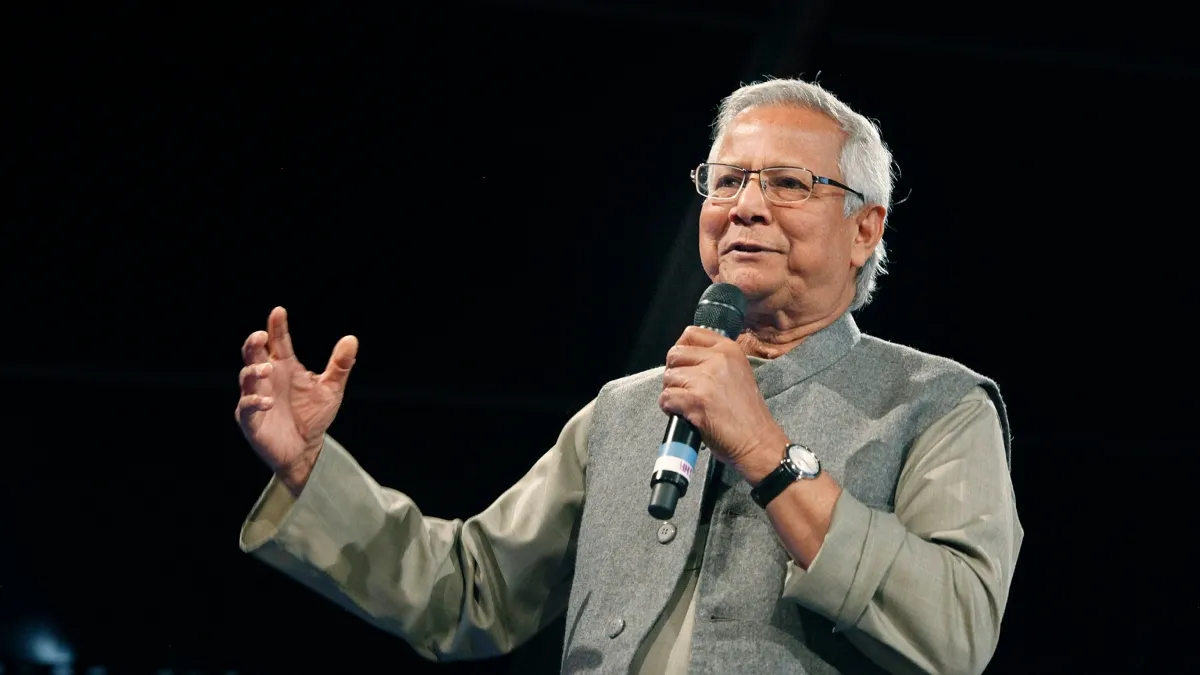
Bangladesh's Chief Adviser, Muhammad Yunus, announced on Tuesday that the country’s next parliamentary elections will take place in February 2026, just before the beginning of Ramzan. This announcement came during a televised address to the nation on the first anniversary of the “July Uprising,” a student-led movement that led to the ousting of former Prime Minister Sheikh Hasina’s government.
In his address, Yunus stated, “On behalf of the interim government, I will send a letter to the Chief Election Commissioner requesting that the Election Commission hold the national election in February 2026, before the upcoming Ramzan.” The Islamic month of Ramzan is expected to begin around February 17 or 18, 2026. Initially, general elections were scheduled for April 2026.
Yunus’s remarks were aimed at reassuring the nation of the government’s commitment to conducting fair and peaceful elections. He stressed the importance of mental preparation and institutional arrangements, calling for the election to be a "memorable" event, characterized by joy, celebration, peace, order, and high voter turnout. He also appealed to political parties to include youth and women in their election manifestos, recognizing the vital role they play in shaping the country’s future.
Earlier in the day, Yunus formally unveiled the "July Declaration," a political statement outlining 26 points focused on political, constitutional, and governance reforms. The declaration, shaped by discussions with political parties involved in the 2024 student-led protests, condemned the failures of the post-independence Awami League government and called for a reformed constitution. It also criticized Sheikh Hasina's regime for undermining human rights and turning Bangladesh into a "fascist" state.
The anniversary event, held at Manik Mia Avenue in Dhaka, attracted thousands of supporters celebrating the first anniversary of the uprising that brought down the Sheikh Hasina government. The event was organized by the interim government, with heightened security measures in place across the capital.
Meanwhile, international human rights organizations such as Human Rights Watch have criticized the interim government for not fulfilling its human rights commitments since the uprising. The organization has expressed concerns over the ongoing challenges to democracy and human rights in Bangladesh, highlighting the political divisions and violence that continue to plague the country.
As Bangladesh enters a new political phase, all eyes will be on the upcoming elections in February 2026.